
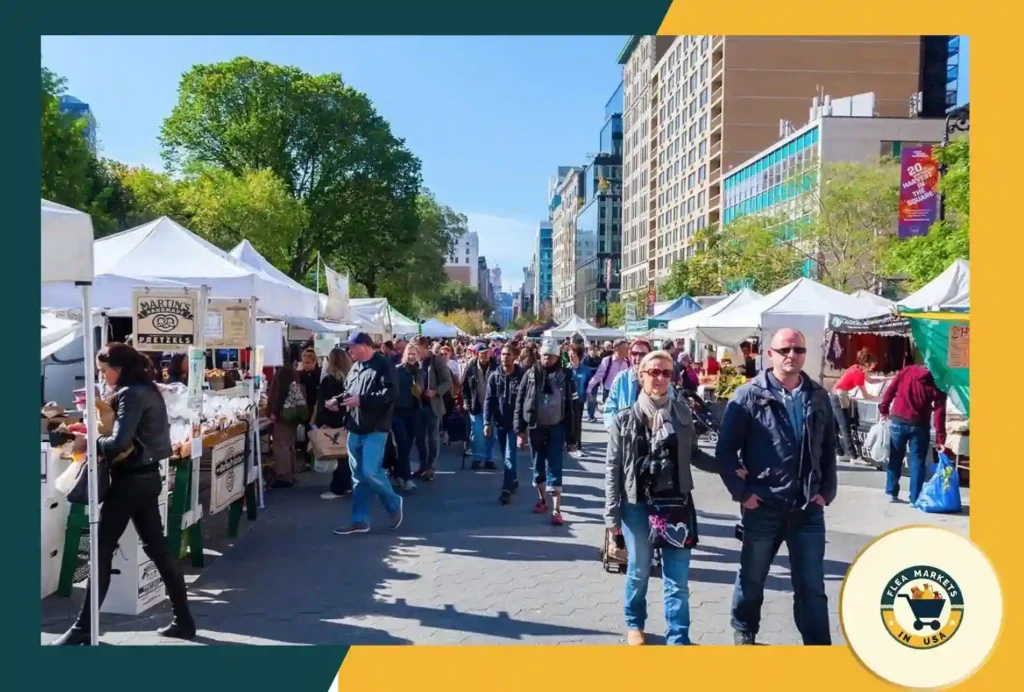
New York isn’t just skyscrapers and fast-paced living; it’s also home to some of the most unique and vibrant flea markets in the country. From vintage treasures in Manhattan to handmade crafts in upstate towns, flea markets in New York offer something for every kind of shopper. Whether you’re a collector, a bargain hunter, or just browsing, this guide will help you discover the best markets across the Empire State.
New York’s incredible diversity creates equally diverse market experiences. Brooklyn hipsters hunt mid-century modern furniture at trendy weekend markets. Upstate antique dealers scour rural barn sales for American primitives. Long Island beachgoers browse nautical collectibles. The Finger Lakes wine country hosts markets blending local crafts with vintage finds. From the Adirondacks to the Catskills, from Buffalo to the Bronx, the Empire State’s flea markets reflect the landscapes and communities they serve.
New York Flea Markets
New York’s flea market scene captures the state’s remarkable diversity and reflects the broader landscape of flea markets across all U.S. states featured on Flea Market in USA. In Manhattan, sophisticated markets attract fashion-forward shoppers seeking vintage designer pieces and collectors hunting rare finds. Brooklyn’s markets pulse with creative energy as artists, musicians, and makers sell alongside traditional vendors, while Queens and the Bronx showcase multicultural markets shaped by immigrant communities.
Head north into the Hudson Valley and markets take on a different character. Historic towns like Beacon and Cold Spring host vintage markets in converted industrial spaces, while the Catskills blend farmers and antique dealers in relaxed country settings. The Capital Region around Albany balances urban accessibility with classic upstate charm.
Western New York serves communities from Buffalo to Rochester with practical, value-driven markets. The Finger Lakes combine wine country tourism with antique hunting, and the Adirondacks and North Country host seasonal markets serving both resort visitors and local residents.
What truly sets New York apart is its range. Within one state, shoppers can explore high-end Manhattan antiques, bargain-filled rural barn markets, Brooklyn pop-ups featuring emerging designers, and everything in between, mirroring the diversity found throughout flea markets nationwide.
New York’s rich history flows through its markets, from Revolutionary War artifacts and Erie Canal memorabilia to vintage railroad items and Adirondack rustic furniture. Whether browsing Broadway memorabilia, hunting vintage fashion, shopping farm-fresh produce, or enjoying a casual Sunday stroll, New York flea markets deliver experiences as varied as the Empire State itself.
History of New York Flea Markets
New York’s market traditions stretch back to Dutch colonial days when New Amsterdam’s merchants traded at informal waterfront markets. The city’s strategic harbor position made it America’s primary trading center, establishing market culture that continues today.
Throughout the 1800s, public markets thrived across New York. The Fulton Fish Market, opened in 1822, and Washington Market became city institutions. Upstate communities established farmers markets and trading centers as settlements spread westward.
The Erie Canal’s completion in 1825 transformed New York into a commercial powerhouse. Canal towns developed markets where goods from across America and Europe flowed through. This trading heritage influences markets today, particularly in cities along the historic canal route.
Immigration waves brought market traditions from around the world. Italian, Jewish, Chinese, and countless other communities established ethnic markets selling foods, goods, and cultural items from homelands. These multicultural influences continue shaping New York’s markets.
The modern flea market concept arrived in New York during the 1960s. The city’s counterculture embraced secondhand shopping and alternative commerce. The East Village and Greenwich Village saw informal street markets where hippies traded clothes, records, and crafts.
The 26th Street Flea Market, operating from vacant lots in Manhattan, became legendary among collectors. Though eventually displaced by development, it established New York’s reputation for quality urban flea markets attracting serious dealers and collectors.
Upstate New York developed distinct market culture. The Madison-Bouckville Antique Show, beginning in the 1960s, grew into one of America’s largest antique events. Rural areas hosted barn sales and country auctions attracting dealers from across the Northeast.
The 1980s and 1990s saw flea markets proliferate as Americans developed collecting fever and vintage aesthetics. The Stormville Flea Market at an old airport became a massive operation drawing from across the region. Markets emerged in every corner of the state.
Brooklyn’s gentrification in the 2000s brought sophisticated new markets. The Brooklyn Flea, launching in 2008, pioneered the curated vintage market concept combining quality merchandise with food vendors and hip atmosphere. This model spread nationwide but originated in Brooklyn.
Artists & Fleas and similar operations followed, creating Instagram-worthy shopping experiences appealing to millennials. These modern markets emphasize aesthetics, local makers, and social media promotion while maintaining flea market affordability and discovery elements.
Today’s New York markets span the spectrum from cutting-edge Brooklyn pop-ups to traditional upstate barn sales. The state’s market scene remains America’s most diverse and influential, setting trends that spread nationwide while maintaining authentic local character.
Top 10 Flea Markets in New York
1. Brooklyn Flea Market
Operating weekends in various Brooklyn locations, Brooklyn Flea pioneered the modern curated flea market concept. Multiple venues including Dumbo and Williamsburg host rotating markets featuring carefully selected vendors.
What you’ll find: Curated vintage clothing, mid-century modern furniture, handmade jewelry, artisan crafts, vinyl records, vintage home decor, antiques, and various unique items. Food vendors serve excellent meals from local restaurants and food artisans.
Why it stands out: Trendsetting operation that redefined American flea markets. Instagram-worthy aesthetics and quality merchandise. Excellent food creating destination dining experiences. Hip Brooklyn atmosphere. Strong social media presence. Indoor winter markets maintain year-round operations.
2. Stormville Airport Antique Show and Flea Market
This massive outdoor market operates select weekends from April through October at a former airport in Dutchess County. One of the Northeast’s largest markets regularly hosts 600+ vendors spread across the airfield.
What you’ll find: Antiques, vintage furniture, collectibles, tools, household goods, crafts, toys, clothing, art, and countless other items. The enormous scale means incredible variety spanning all categories and price points.
Why it stands out: Sheer size creates epic shopping experiences. Airport location provides vast space for vendors and parking. Hudson Valley setting offers beautiful scenery. Draws dealers and collectors from across the Northeast. Operating since 1960s with established reputation.
3. Artists & Fleas Williamsburg
Operating multiple locations including Chelsea Market, Williamsburg, and Soho, Artists & Fleas showcases emerging designers, vintage dealers, and artisan makers in curated market settings.
What you’ll find: Vintage clothing, handmade jewelry, art, crafts, home decor, records, and designer goods. Heavy emphasis on local makers and creative merchandise reflecting New York’s artistic communities.
Why it stands out: Supports emerging designers and artists. Curated vendor selection ensures quality. Prime locations in trendy neighborhoods. Year-round indoor operations. Blends vintage finds with contemporary handmade goods. Strong millennial and Gen Z following.
4. Annex Markets
Operating weekends in Chelsea, this collection of markets includes Hell’s Kitchen Flea Market and Chelsea Flea Market serving Manhattan vintage hunters and antique collectors for decades.
What you’ll find: Vintage clothing, antiques, jewelry, records, art, collectibles, furniture, and various treasures. Quality varies from high-end antiques to affordable secondhand goods.
Why it stands out: Long-running Manhattan institution operating since 1970s. Prime Chelsea location. Serious antique dealers alongside casual vendors. Indoor and outdoor sections depending on weather. Attracts dealers, decorators, and collectors seeking quality merchandise.
5. Madison-Bouckville Antique Market
This massive week-long event held annually in August transforms Route 20 between Madison and Bouckville into America’s largest antique show. Over 2,000 dealers line the highway creating miles of continuous shopping.
What you’ll find: High-quality antiques, vintage furniture, primitives, folk art, Americana, collectibles, and serious treasures. This isn’t a casual flea market but major antique event attracting dealers and collectors nationwide.
Why it stands out: Legendary status among antique dealers. Incredible scale with miles of vendors. Week-long duration allows thorough exploration. Central New York setting. Operating since 1960s. Major buying opportunity for dealers stocking shops and booths.
6. Broadway Flea Market
This annual one-day event held in September benefits Broadway Cares/Equity Fights AIDS. Theater district streets close for markets selling Broadway memorabilia, show merchandise, and theatrical treasures.
What you’ll find: Broadway show posters, playbills, costumes, props, signed memorabilia, theater books, recordings, and various theatrical items. Cast members sometimes sell personal collections.
Why it stands out: Unique theatrical focus. Annual tradition since 1987. Benefits important charity. Meet Broadway performers. Find rare theater memorabilia. Times Square location. Massive crowds of theater fans. Only one day annually creates special event atmosphere.
7. Beacon Flea Market
This Hudson Valley city hosts regular weekend markets in its revitalized downtown. The artistic community and antique shops make Beacon a destination for vintage hunters.
What you’ll find: Antiques, vintage furniture, mid-century modern pieces, art, crafts, collectibles, and various treasures reflecting Beacon’s artistic character.
Why it stands out: Beautiful Hudson Valley location with mountain views. Artistic community influences merchandise quality. Combines with Beacon’s numerous antique shops for full-day treasure hunting. Easy train access from NYC. Growing reputation among serious collectors.
8. East Avon Flea Market
Operating Sundays from May through October near Rochester, this long-running outdoor market serves Western New York with traditional flea market atmosphere and diverse merchandise.
What you’ll find: General merchandise, tools, household goods, furniture, antiques, collectibles, crafts, produce, and various items. Good balance between practical shopping and treasure hunting.
Why it stands out: Western New York institution operating for decades. Sunday tradition for regional residents. Large vendor base ensures variety. Free admission and parking. Affordable prices reflecting upstate economy. Family-friendly atmosphere.
9. Aquaduck Flea Market
Operating year-round on weekends, this Capital Region market serves the Albany-Schenectady area with indoor and outdoor vendor spaces providing weather-protected shopping.
What you’ll find: General merchandise, antiques, collectibles, tools, household goods, electronics, clothing, toys, crafts, and various items spanning all categories.
Why it stands out: Year-round operations including winter. Indoor climate-controlled sections. Convenient Capital Region location. Large vendor base. Free parking. Serves local community consistently. Reasonable prices.
10. Long Island Antiques Center
Multiple antique centers and markets operate across Long Island serving suburban communities and beachgoers. These permanent indoor facilities operate year-round.
What you’ll find: Antiques, vintage furniture, collectibles, nautical items, beach decor, jewelry, art, and various treasures. Quality often exceeds typical flea markets.
Why it stands out: Convenient suburban locations. Year-round climate-controlled shopping. Quality merchandise from established dealers. Nautical and coastal items reflecting Long Island character. Serves affluent market with upscale merchandise.
Complete Directory of New York Flea Markets
New York City and Boroughs
Manhattan Markets:
- Annex Markets – Chelsea’s premier vintage and antique destination
- Artists & Fleas Chelsea – Curated market in Chelsea Market
- Broadway Flea Market – Annual theatrical fundraiser event
- Chelsea Flea – Long-running Chelsea neighborhood market
- Nolita Flea Market – Downtown boutique market atmosphere
- Ludlow Flea – Lower East Side vintage finds
Brooklyn Markets:
- Brooklyn Flea – Multiple locations including Dumbo and Williamsburg
- Artists & Fleas Williamsburg – Trendy market in hipster heartland
- Backyard Flea – Neighborhood market with local vendors
Bronx Markets:
- Bronx Flea Market – Multicultural market serving the borough
Queens and Long Island:
- Long Island Antiques Center – Multiple suburban locations
- Antiques at Northport – North Shore antique destination
- Glenwood Plaza – Multi-vendor indoor market
Hudson Valley Region
Dutchess County:
- Stormville Airport Antique Show and Flea Market – Massive seasonal market
- Dutchess Marketplace – Regional shopping destination
- Patterson Flea Market – Local community market
Orange County:
- Newburgh Vintage Emporium – Downtown vintage shopping
- Newburgh Vintage Emporium Warehouse – Expanded warehouse location
- The Middletown Market – Central Hudson Valley market
Ulster County:
- High Falls Flea Market – Scenic mountain town market
- Creekside Flea Market – Waterside shopping experience
Rockland County:
- Rockland Vintage Antiques & Collectibles – Suburban antique market
- The Center of Highland Falls Flea Market – Community market
Westchester County:
- Yonkers Sale – Urban Westchester market
- Westbury Market Fair – Suburban shopping venue
Capital Region
Albany Area:
- Aquaduck Flea Market – Major Schenectady operation
- Ballston Spa Antique Center – Saratoga County antiques
- Schodack Indoor Flea Market – Year-round indoor market
Surrounding Areas:
- Ravena Barn Flea Market – Rural barn market
- Cobleskill Flea Market – Schoharie County venue
Central New York
Syracuse and Surrounding:
- Madison-Bouckville Antique Market – Legendary August show
- Syracuse Antiques Exchange – Urban antique center
- Oneida County Public Market – Regional market venue
Finger Lakes:
- Found In Ithaca – College town vintage market
- The Vintage Roundup – Finger Lakes antique venue
- At the Farm LLC – Rural farm market
Utica/Rome Area:
- Madison Inn Antiques – Historic inn antique market
Western New York
Rochester Area:
- East Avon Flea Market – Major Sunday market
- East Aurora Flea & Farmers Market – Charming village market
- Charlotte Flea Market – Lake Ontario area market
Buffalo Area:
- Antique World & Flea Market – Major Western NY venue
- Gentner Commission Market – Traditional auction market
Southern Tier:
- Salamanca Mall Antiques – Southern tier shopping
- Angus Hill Flea Market – Rural country market
North Country and Adirondacks
Northern Region:
- North Country Neighbors – Regional community market
- Deer Creek Flea Market & Campground – Seasonal camping market
Catskills Region
Greene County:
- The Market Place East Durham – Mountain resort market
Delaware County:
- Coyote Moon Farm & Flea Market – Farm-based market
Specialty and Themed Markets
Vintage and Retro Focused:
- The Peddler Vintage, Retro and Antique Market – Curated vintage
- Upstate Vintage Market – Regional vintage destination
- Remember Yesteryears Vintage Center – Nostalgia shopping
- Turn Back Time Treasures – Time-travel themed market
- Solemates Sneakers & Vintage – Sneaker and vintage combo
Antique Focused:
- Awesome Antiques – Quality antique venue
- The Rabbit Hole Antiques and Treasures – Whimsical antique shop
- Victorian Lady Antiques – Period-specific antiques
- Barntique Village – Barn-style antique complex
- Benningtons Antique Center – Multi-dealer antique center
- Wood Bull Antiques – Rustic antique venue
- The Depot Antique Gallery – Historic depot location
- Odd and Old Antique Farm, LLC – Farm antique venue
Multi-Vendor Markets:
- The Lucky Flea Market – Community vendor market
- VSK Emporium Inc – Multi-vendor emporium
- HFM Emporium – Large vendor collective
- The Estate Marketplace – Estate sale market
- L W Emporium Co-op – Cooperative vendor space
- Weeden’s Mini Mall – Small vendor mall
- The Eclectic Chic – Eclectic vendor mix
Regional Markets:
- Lowman Flea Market – Regional shopping venue
- Jimays Flea Market – Local community market
- P&J’s Flea Market – Family-run operation
- Crazy Andy’s Flea Market – Quirky local market
- Jay’s Hidden Treasures Flea Market & Gift Shop – Hidden gem market
- Goodies Flea Market – Regional vendor market
- Fullers Flea Market – Community shopping venue
- Today Flea Market – Modern market operation
Seasonal and Special Event Markets:
- Quaker Acres West Antique Show – Seasonal antique show
- The Second Sunday Market – Monthly special market
- Jubilee Flea Market – Celebration-themed market
- Mower’s Saturday Sunday Flea Market – Weekend operation
Thrift and Resale:
- The Bridge Thrift Store – Charitable thrift operation
- R and M Resale Boutique – Upscale resale
- The Good’Nuff Store – Affordable thrift shop
- The Antique & Thrift Shop – Combined venue
Specialized Markets:
- Broad Street Flea Market – Downtown street market
- Bells Pond Flea Market – Waterside location
- Tri-County Bazaar – Multi-county regional market
- Exit 9 Flea Market – Highway-adjacent market
- Johnstown Country Flea Market – Rural country market
- Windsor Village Shops – Village shopping complex
- Pickers Nation – Picker-focused market
- Bob Williams Enterprises LLC – Professional market operation
- Bmjr Inc. Flea Market – Corporate market venue
- Openbaar Market – Unique market concept
- Gino Stew Market – Local specialty market
- Kentucky Flea Market – Regional crossover market
- Eastbrook Flea Market and Antique Mall – Combined operation
- J & G Flea Market & Antique – Dual-focus operation
New York Flea Markets by Region
New York City Markets
The five boroughs host America’s most diverse and sophisticated flea markets. Brooklyn leads with trendsetting operations like Brooklyn Flea and Artists & Fleas pioneering curated vintage concepts that spread nationwide.
Manhattan markets range from upscale Chelsea operations to specialty events like Broadway Flea Market. The Annex Markets maintain decades-long traditions serving serious collectors and dealers.
Queens and the Bronx host multicultural markets reflecting immigrant communities. You’ll find everything from Latin American goods to Asian imports to African crafts alongside traditional flea market merchandise.
City markets emphasize vintage clothing, mid-century furniture, vinyl records, art, and items appealing to young urban professionals. Prices reflect New York’s high costs but quality often justifies premiums.
Hudson Valley Markets
The scenic Hudson Valley from Westchester through Dutchess counties hosts numerous markets capitalizing on natural beauty and proximity to NYC. Weekend urbanites flock to markets in Beacon, Cold Spring, and surrounding communities.
Stormville dominates the region with its massive airport market. Smaller operations in historic towns blend antiques with local crafts and Hudson Valley products.
The area’s colonial history, Revolutionary War sites, and 19th-century industrial heritage mean quality antiques flow through markets regularly. Historic homes being emptied provide merchandise for eager dealers.
Capital Region Markets
The Albany-Schenectady-Troy area hosts markets serving New York’s capital region. Aquaduck and similar operations provide year-round shopping with indoor facilities essential for harsh upstate winters.
The region’s position between New York City and Montreal creates crossroads character with merchandise flowing from multiple directions. State government workers provide stable customer base.
Central New York Markets
Syracuse and surrounding communities host markets serving the state’s geographic center. The Madison-Bouckville show dominates, but year-round markets operate throughout the region.
Agriculture remains important here, so markets often include produce vendors alongside antique dealers. The mix of urban Syracuse and rural farming communities creates diverse market character.
Finger Lakes Markets
The wine country region combines tourism with local shopping. Markets near Ithaca, Geneva, and other lake towns serve tourists and residents with crafts, antiques, and local products.
The area’s natural beauty and agricultural bounty influence markets. You’ll find wine-related items, farm goods, and outdoor recreation equipment alongside typical flea market merchandise.
Western New York Markets
Buffalo and Rochester anchor Western New York’s market scene. The region shows more Midwestern character than downstate markets, with practical focus and reasonable prices.
East Avon near Rochester represents traditional upstate markets serving local communities. The Rust Belt industrial heritage means tools, equipment, and working-class goods appear regularly.
Adirondack and North Country Markets
The vast Adirondack region hosts seasonal markets serving resort communities and year-round residents. Lake Placid, Saranac Lake, and surrounding towns see summer markets capitalizing on tourism.
The area’s rustic heritage influences merchandise with Adirondack furniture, camping equipment, and outdoor goods common. Seasonal operations align with tourist seasons.
Long Island Markets
Suburban Long Island hosts numerous markets serving affluent communities. Nautical items, beach decor, and coastal antiques reflect the island’s maritime character.
The Hamptons and other wealthy areas support upscale vintage and antique operations. North Shore communities host markets blending suburban convenience with quality merchandise.
Catskills Markets
The Catskill Mountains region northwest of NYC hosts markets serving resort communities and rural residents. The area’s history as the Borscht Belt brings vintage items from the glory days.
Smaller towns host seasonal markets combining local crafts with antiques. The growing artistic community influences markets with contemporary handmade goods appearing alongside vintage finds.
New Markets vs Established Markets
Established Markets
New York’s veteran markets like Annex Markets, Stormville, and Madison-Bouckville have operated for decades, building legendary reputations. These established operations benefit from loyal dealer bases and customers who’ve shopped there for generations.
Long-running markets typically offer better infrastructure, though some Manhattan outdoor markets remain charmingly basic. They’ve refined operations handling everything from weather to massive crowds to dealer complaints.
Established markets build traditions becoming institutions. Madison-Bouckville defines August for antique dealers. Stormville’s opening weekends mark spring’s arrival. Broadway Flea Market represents September traditions for theater fans.
The downside can be resistance to change. Some veteran markets maintain formats working for decades but may not appeal to younger demographics comfortable with online shopping and Instagram aesthetics.
Emerging Markets
Brooklyn Flea and Artists & Fleas pioneered modern curated flea markets that spawned imitators nationwide. These operations revolutionized American flea markets by emphasizing aesthetics, local makers, food quality, and social media engagement.
New pop-up markets appear constantly, particularly in Brooklyn and Manhattan. Rooftop markets, brewery parking lot sales, and street festivals include flea market elements creating hybrid shopping experiences.
Emerging markets attract younger vendors selling trendy items: vintage streetwear, mid-century modern furniture, handmade jewelry, sustainable fashion, and locally produced foods. Instagram-worthy displays are essential.
These newer operations embrace technology with online vendor applications, social media marketing, and mobile payment acceptance. They recognize younger shoppers expect seamless digital integration.
Which to Choose?
First-time visitors seeking quintessential New York flea market experiences should visit Brooklyn Flea or Artists & Fleas for modern curated markets, Annex Markets for traditional Manhattan atmosphere, or Stormville for massive upstate operations.
Serious antique collectors must attend Madison-Bouckville at least once. Theater fans shouldn’t miss Broadway Flea Market. Vintage clothing hunters should prioritize Brooklyn operations.
For practical bargain shopping, upstate markets like East Avon and Aquaduck deliver better value than pricey city operations. Long Island and Hudson Valley markets offer suburban convenience with quality merchandise.
Shopping Guide
Best Time to Shop
The optimal shopping window at New York flea markets varies by location and market type. At major markets like Stormville and Madison-Bouckville, serious dealers and collectors shop opening hours, often arriving before official start times to catch vendors still unpacking.
Brooklyn and Manhattan markets see peak crowds mid-morning through early afternoon. Arriving at opening provides best selection before picked-over merchandise, though some vendors may still be setting up.
For bargain hunters, closing hours offer deeply discounted prices as vendors prefer selling than packing. This strategy works better at large outdoor markets than curated Brooklyn operations where vendors hold firm on prices.
Weather impacts shopping times significantly. Summer heat in upstate markets makes early morning shopping essential. New York City’s summer humidity creates uncomfortable afternoon browsing.
Best Time to Visit
By Day of Week: Most New York flea markets operate weekends, with Saturday and Sunday seeing comparable activity. Brooklyn Flea alternates locations by day, so check schedules carefully.
Some markets like East Avon operate Sundays only. Madison-Bouckville runs for an entire week in August. Broadway Flea Market happens one Saturday annually in September.
By Season: Spring and fall reign as New York’s premier flea market seasons. April through June and September through October provide ideal weather conditions across the state.
Summer brings peak tourist season to NYC markets and upstate resort areas. Crowds increase but so does vendor participation. Heat can be oppressive, especially in the city.
Fall colors make upstate market shopping spectacular. Hudson Valley and Finger Lakes markets operate against stunning autumn foliage backdrops. Weather stays comfortable into October.
Winter limits outdoor markets severely. Most upstate operations close November through March. Indoor NYC markets continue year-round. Brooklyn Flea moves indoors during cold months.
By Month: May, September, and October rank as New York’s best flea market months. Weather stays pleasant statewide, vendors operate at full capacity, and tourist crowds remain manageable except in NYC.
August belongs to Madison-Bouckville’s massive antique show despite sometimes oppressive heat. Serious collectors endure conditions for unparalleled buying opportunities.
Best Opening Hours
New York flea market hours vary dramatically by location. Major upstate markets like Stormville typically open between 7 AM and 9 AM. Serious dealers arrive even earlier, buying from vendors during setup.
Brooklyn and Manhattan markets usually open between 10 AM and 11 AM, accommodating urban sleeping schedules. Artists & Fleas in Chelsea Market operates during mall hours.
Madison-Bouckville dealers set up along Route 20 throughout the week, with some opening at dawn and others later. The informal nature means no official opening time.
Closing times range from 3 PM at some upstate Sunday markets to 7 PM at urban venues. Always verify specific market hours before visiting, particularly for seasonal or special event markets.
When Markets Are Less Crowded and Peaceful
For peaceful shopping without overwhelming crowds:
Opening minutes at large markets provide relative calm before masses arrive. This brief window offers both good selection and manageable crowds.
Weekday operations are rare but offer nearly private shopping when available. Some permanent antique centers operate weekdays with minimal traffic.
Off-season months at tourist-area markets eliminate vacation crowds. Visit Hamptons markets in winter or Finger Lakes markets during mud season for peaceful browsing.
Bad weather days reduce attendance dramatically. Rain keeps fair-weather shoppers home while serious hunters continue undeterred. Bring umbrellas and enjoy uncrowded browsing.
Late afternoon hours see crowds thin significantly. By 3 or 4 PM, many shoppers have left, creating peaceful final hours for browsing remaining merchandise.
Midwinter at year-round indoor markets offers nearly private shopping as most casual browsers wait for spring.
Types of Vendors Available
Vendors You’ll Find at New York Flea Markets
New York’s flea markets feature one of the most diverse vendor mixes in the U.S., including:
- Antique Dealers: Professionals specializing in specific categories with expert knowledge.
- Curated Vintage Sellers: Common in Brooklyn, offering fashion, furniture, and design-led items.
- Artists & Makers: Handmade jewelry, clothing, art, and crafts from emerging creators.
- Estate Sale Liquidators: Household contents ranging from everyday goods to valuable antiques.
- General Resellers: Discounted household items, tools, and mixed merchandise.
- Specialty Collectors: Focused on niches like vinyl, toys, advertising, or collectibles.
- Importers: Multicultural goods from Latin America, Asia, Africa, and beyond.
- Farmers & Food Vendors: Produce, baked goods, preserves, and local foods.
- Vintage Fashion Specialists: Experts in eras, labels, and designer vintage.
Types of Items Sold at New York Flea Markets
- Vintage Clothing: Designer labels, streetwear, denim, and affordable fashion.
- Furniture: Mid-century modern in NYC; rustic and antique pieces upstate.
- Antiques: Americana, folk art, advertising, primitives, and early American items.
- Records & Music: Vinyl, CDs, tapes, and music memorabilia.
- Art & Photography: Original art, prints, posters, and vintage photography.
- Jewelry: Costume, vintage, handmade, Native American, and designer pieces.
- Books & Ephemera: Rare books, magazines, postcards, maps, and paper collectibles.
- Household Goods: Kitchenware, linens, small appliances, and décor.
- Toys & Collectibles: Vintage toys, comics, cards, and pop culture items.
-
Specialty Categories: Nautical items, electronics, theater memorabilia, Adirondack furniture, and Hudson Valley antiques.
Additional Shopping Destinations in New York
- Beyond traditional flea markets, New York offers countless shopping venues:
- Antique Centers and Malls: Permanent multi-dealer operations throughout the state, with concentrations in Hudson Valley, Finger Lakes, and Long Island. These climate-controlled venues operate year-round.
- Estate Sales: Happen constantly across New York, particularly in established neighborhoods and wealthy suburbs. Online services list upcoming sales.
- Thrift Stores: New York boasts excellent thrift shopping from high-end consignment in Manhattan to bargain thrifts upstate. Buffalo Exchange, Beacon’s Closet, and Housing Works serve NYC while Salvation Army and Goodwill operate statewide.
- Auctions: From prestigious Manhattan auction houses like Sotheby’s and Christie’s to country auctions in rural barns, New York offers every auction type imaginable.
- Street Fairs and Festivals: NYC hosts countless street fairs including vendor markets. Upstate communities hold annual festivals with market components.
- Salvage Yards: Architectural salvage operations, particularly in Hudson Valley and around NYC, offer vintage building materials, fixtures, and unique items.
- Artist Studios and Gallery Districts: Williamsburg, Bushwick, and other neighborhoods host open studio events where artists sell directly.
Tips for Shopping New York Flea Markets
- Bring Cash: Many vendors prefer cash, especially at upstate markets.
- Dress Comfortably: Wear walking shoes and layer clothing for changing weather.
- Use Public Transport in NYC: Parking is limited and expensive in Manhattan and Brooklyn.
- Arrive Early: Early mornings offer the best selection at large markets.
- Negotiate Politely: Bargaining is common, especially outside NYC.
- Inspect Items Carefully: Check condition and authenticity before buying.
- Bring Measurements: Essential when shopping for furniture or large items.
- Follow Social Media: Markets post updates, vendors, and weather alerts online.
- Plan for Food: Many markets feature popular food vendors.
- Explore Nearby Areas: Flea markets are often in vibrant neighborhoods worth visiting.
Frequently Asked Questions About New York Flea Markets
What is the largest flea market in New York?
Madison-Bouckville Antique Market is the largest, hosting over 2,000 vendors each August. Stormville Airport Antique Show is the largest regularly operating market.
Are New York flea markets open year-round?
Indoor NYC flea markets operate year-round. Most outdoor upstate markets close during winter.
What is the best day to visit New York flea markets?
Weekends are best. Most flea markets operate on Saturdays, Sundays, or both.
Are NYC flea market prices higher than upstate markets?
Yes. Prices in NYC are generally higher than upstate markets due to demand and curation.
Can you negotiate prices at New York flea markets?
Yes. Bargaining is common, especially at upstate flea markets. NYC vendors may be less flexible.
Do New York flea markets accept credit cards?
Some vendors accept cards, especially in NYC, but many still prefer cash.
What makes New York flea markets unique?
New York offers unmatched variety, from curated Brooklyn markets to massive upstate antique events.
Is parking available at NYC flea markets?
Parking is limited and expensive. Public transportation is recommended.
When is the Madison-Bouckville Antique Market held?
It is held annually in mid-August and runs for one full week.
Are pets allowed at New York flea markets?
Some outdoor markets allow leashed pets. Many NYC markets restrict pets.
Conclusion
New York’s flea markets offer more than shopping. They’re windows into the Empire State’s incredible diversity, from Brooklyn’s cutting-edge creativity to upstate’s traditional charm, from Manhattan’s sophistication to Long Island’s coastal character.
Whether you’re hunting mid-century modern furniture in Williamsburg, browsing museum-quality antiques at Madison-Bouckville, exploring nautical treasures on Long Island, or discovering Broadway memorabilia in Times Square, New York delivers experiences as diverse as America itself.
New York’s excellent transportation infrastructure means exploring diverse markets easily. Take the subway to Brooklyn Flea Saturday morning, then drive to Hudson Valley markets Sunday afternoon. Each delivers completely different experiences within hours of each other.
These markets represent important cultural institutions where New York’s past and present intersect. Antiques carry stories from colonial days through industrial eras. Emerging designers launch careers through market sales. Communities gather and connect over shared love of discovery.
From the Adirondacks to the Atlantic, from Buffalo to the Bronx, from sophisticated Chelsea galleries to rural barn sales, New York’s flea markets deliver the Empire State’s essence. Pack your reusable bags, grab plenty of cash, check market schedules carefully, and discover why New York remains America’s premier flea market destination. You’ll leave with treasures, memories, and deeper appreciation for the remarkable diversity that makes New York the Empire State of flea markets.