
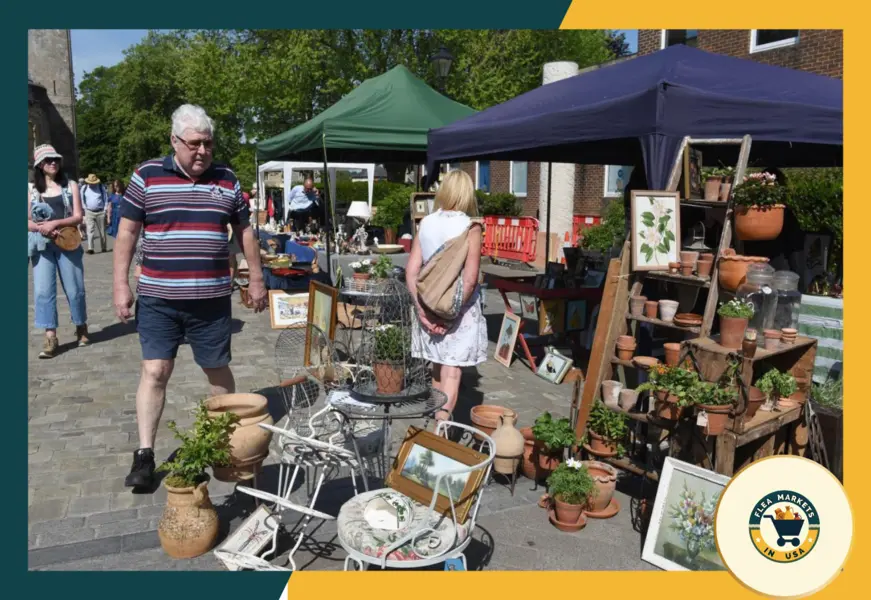
A Practical Guide to Flea Markets Across New Hampshire
New Hampshire’s scenic small towns and historic charm create the perfect backdrop for exploring the state’s vibrant flea market culture. The Granite State offers collectors, bargain hunters, and casual browsers authentic New England antiquing experiences combining natural beauty with genuine marketplace traditions. From bustling weekend markets in Salem and Londonderry to seasonal pop-ups scattered across mountain towns and rural communities, New Hampshire’s flea market scene reflects the state’s character of independence, craftsmanship, and community connection.
New Hampshire flea markets serve as gathering places where locals and visitors discover unique treasures while supporting small vendors and entrepreneurs. The markets feature antiques reflecting New England heritage, vintage items celebrating mid-century nostalgia, hand-crafted goods supporting local artisans, and practical bargains appealing to budget-conscious shoppers. The state’s proximity to Massachusetts and Vermont creates a diverse vendor community attracting regional collectors and ensuring merchandise quality and variety.
The mild to cool New England climate shapes market operations, with outdoor venues thriving spring through fall and year-round indoor operations providing winter shopping alternatives. New Hampshire’s strong craft tradition influences market character significantly, with local makers and artisans prominently featured alongside traditional antique dealers. The combination of outdoor natural beauty and authentic marketplace atmosphere creates memorable shopping experiences distinct from typical suburban mall antiquing.
History of New Hampshire Flea Markets
New Hampshire’s flea market tradition emerged gradually during the 1970s and 1980s as rural communities recognized opportunities to create marketplace venues supporting local vendors. Early markets operated informally on farmland and community grounds, drawing neighborhood shoppers seeking affordable household goods and vintage treasures. These organic gatherings reflected New England’s independent spirit and community self-reliance traditions.
The formalization of New Hampshire flea markets occurred during the 1990s when Salem NH Flea Market and Londonderry Flea Market established professional operations setting industry standards. These pioneering venues demonstrated market viability through consistent operations, vendor management, and customer amenities. Their success inspired similar operations throughout the state, establishing flea markets as important economic and cultural institutions.
New Hampshire’s craft heritage profoundly shaped market character and identity. Unlike southern markets emphasizing antiques or metropolitan markets focusing on merchandise volume, New Hampshire markets developed strong artisan and maker traditions. Local craftspeople, woodworkers, jewelers, and textile artists increasingly featured at markets alongside traditional antique dealers, creating distinctive marketplaces celebrating creativity and handwork.
The state’s geographic position between Boston and northern New England created natural market networks. Serious collectors developed regional shopping routes combining New Hampshire markets with neighboring Vermont and Massachusetts venues. This regional connectivity elevated merchandise quality and ensured vendor diversity reflecting broader New England collecting interests.
Environmental consciousness and sustainability values influenced market development significantly. New Hampshire markets increasingly emphasized recycling, reuse, and environmental stewardship, appealing to environmentally conscious shoppers valuing sustainable consumption. This philosophical alignment with New Hampshire values distinguished the state’s markets from purely commercial operations elsewhere.
Contemporary New Hampshire flea markets reflect mature industry development combining traditional marketplace character with modern amenities and digital connectivity. Online presence through websites and social media connects vendors and shoppers while maintaining authentic community gathering aspects. The integration of specialty markets focusing on specific merchandise categories created opportunities for dedicated collectors while broadening overall marketplace appeal.
Top 10 New Hampshire Flea Markets
1. Salem NH Flea Market, Salem
New Hampshire’s oldest and most established year-round flea market operates as the state’s most reliable and accessible marketplace destination. The indoor-outdoor facility accommodates dozens of vendors spanning diverse merchandise categories from collectibles and electronics to furniture and specialty items. Consistent weekend operations throughout the year provide predictable shopping opportunities regardless of season. The professional operations and loyal vendor community establish Salem as New Hampshire’s flagship market.
2. Londonderry Flea Market, Londonderry
A large outdoor market operating seasonally on weekends from spring through fall represents New Hampshire’s premier seasonal destination. The sprawling grounds accommodate numerous vendors offering antiques, tools, toys, local products, and diverse merchandise. The family-friendly atmosphere and abundance of parking attract regional shoppers. Peak season weekends draw substantial crowds reflecting the market’s regional significance and merchandise quality.
3. Rochester Antique and Flea Market, Rochester
Central New Hampshire’s established antique market emphasizes quality pieces and curated collections attracting serious collectors. The professional dealer network and documented merchandise history appeal to antique specialists. The peaceful small-town setting provides appropriate context for browsing quality pieces. Regular operations support loyal collector relationships and repeat visits.
4. Concord Community Flea Market, Concord
New Hampshire’s capital city hosts seasonal community markets emphasizing local vendors and regional merchandise. The central location serves North-Central New Hampshire residents. Municipal support and community participation ensure programming reflecting resident interests. The accessible location and family-friendly programming attract neighborhood shoppers alongside dedicated collectors.
5. Portsmouth Marketplace & Antique Fair, Portsmouth
Seacoast New Hampshire’s premier market operates seasonally, featuring maritime antiques and coastal merchandise reflecting Portsmouth’s harbor heritage. The historic downtown location provides period-appropriate shopping atmosphere. Quality vendor selection emphasizes curated collections and authenticated pieces. The scenic waterfront setting enhances shopping experiences creating memorable marketplace visits.
6. Plymouth Community Market, Plymouth
North-Central New Hampshire venue serving White Mountains region communities. The seasonal programming emphasizes local crafts and regional merchandise. Mountain town character and natural surroundings create distinctive shopping atmosphere. Community focus supports local vendor relationships and repeat shopper loyalty.
7. Keene Flea Market, Keene
Southwestern New Hampshire’s established market serves regional community and serious collectors. The consistent operations and vendor diversity ensure merchandise variety spanning multiple categories. The college town location attracts younger demographics and design-conscious shoppers alongside traditional collectors. The accessible location serves surrounding communities without extensive travel.
8. Nashua Antique and Vintage Market, Nashua
Southern New Hampshire’s second-largest city hosts established antique markets emphasizing vintage goods and decorative pieces. The urban location provides convenient access for professional shoppers. Quality vendor selection attracts design enthusiasts and home decorators alongside traditional collectors. The accessible parking and downtown location make convenient weekend destination.
9. Laconia Seasonal Market, Laconia
Lakes Region hub hosts seasonal markets emphasizing local products and regional merchandise. The summer season sees peak activity as vacation residents and tourists participate. The lakeside setting creates resort atmosphere enhancing shopping experiences. Community programming and local vendor focus support regional traditions.
10. Conway Antique Marketplace, Conway
White Mountains seasonal market serves regional mountain community residents and summer tourists. The scenic setting and small-town character create distinctive shopping atmosphere. Merchandise emphasizes country goods and rustic decor reflecting mountain heritage. The peaceful environment appeals to collectors seeking escape from urban shopping.
New Hampshire Markets: Established vs. Emerging Operations
New Hampshire’s flea market landscape includes long-standing operations like Salem combining decades of reputation with established vendor relationships. These venues command respect from serious collectors and maintain professional standards ensuring reliable shopping experiences. Their proven operational models reduce shopping uncertainty and guarantee consistent merchandise availability. The long-term vendor relationships create stable merchandise sourcing and consistent quality assurance rare at newer venues. Established operations invest in customer amenities, parking facilities, and professional management creating welcoming environments supporting extended shopping visits.
Emerging and seasonal markets bring contemporary approaches emphasizing artisan participation and experiential shopping. Pop-up markets in mountain towns and craft fairs integrate shopping with entertainment, food, and community activities. The flexibility of newer formats enables rapid response to collector interests and seasonal opportunities. Modern venues emphasize sustainability, environmental consciousness, and ethical business practices aligning with New Hampshire values. Many emerging markets feature live music, demonstrations, workshops, and interactive experiences transforming marketplace shopping into comprehensive entertainment destinations.
The coexistence of established and emerging venues strengthens New Hampshire’s overall market ecosystem. Traditional operations preserve heritage and attract purists valuing authenticity and time-tested vendor networks. Contemporary approaches introduce innovation keeping markets relevant to changing shoppers and evolving merchandise preferences. Together they ensure New Hampshire’s flea market scene remains vibrant across demographics and collecting interests. The diversity of operational approaches accommodates varied shopping preferences from serious collectors seeking quiet professional consultation to families seeking entertainment-oriented marketplace experiences.
New Hampshire’s independent spirit encourages market entrepreneurship with new venues regularly appearing in communities recognizing marketplace opportunities. The relatively low barriers to seasonal market establishment enable community organizations, schools, and entrepreneurs to host occasional markets. This accessibility creates multiple shopping opportunities throughout the state ensuring collectors find nearby options regardless of location. The proliferation of markets demonstrates strong consumer demand and community support for marketplace traditions.
Best New Hampshire Flea Markets by Collector Type
For Serious Antique Collectors
Rochester Antique and Flea Market and Portsmouth Marketplace offer curated antique selections attracting experienced collectors. These venues emphasize documented provenance and authenticated merchandise. Professional dealer networks provide expert consultation and authentication services valuable to sophisticated buyers.
For Outdoor Market Experiences
Londonderry Flea Market delivers authentic outdoor marketplace atmosphere with sprawling grounds and seasonal energy. The open-air setting and natural surroundings create distinctive New England shopping experiences. Peak season weekends provide vibrant marketplace energy and discovery opportunities.
For Year-Round Convenient Shopping
Salem NH Flea Market provides reliable weekend operations regardless of season. The indoor-outdoor facility accommodates shoppers in any weather. Consistent programming builds loyal customer relationships and familiar vendor networks.
For Artisan and Craft Focus
Plymouth Community Market and Conway Antique Marketplace emphasize local makers and handcrafted goods. These venues celebrate New Hampshire’s strong craft traditions. Artisan focus appeals to collectors valuing creativity and handiwork alongside vintage merchandise.
For Waterfront and Scenic Locations
Portsmouth Marketplace and Laconia Seasonal Market combine marketplace shopping with natural beauty. These venues capitalize on scenic settings creating memorable shopping experiences integrating landscape and commerce.
Davisville Flea Market
Davisville Flea Market is a well-known community market where local vendors sell antiques, collectibles, household goods, tools, clothing, and affordable everyday items in a friendly shopping environment.
New Hampshire Flea Markets by Region
Southern New Hampshire Region Markets
Salem NH Flea Market
New Hampshire’s flagship year-round market operates as the state’s most accessible and reliable destination. The indoor-outdoor facility accommodates dozens of vendors. Consistent weekend operations throughout the year ensure predictable shopping. Professional management and loyal vendor community establish standards for New Hampshire flea market operations.
Londonderry Flea Markets
Large seasonal outdoor market operates spring through fall on weekends. The sprawling grounds accommodate numerous vendors. Family-friendly atmosphere and abundant parking attract regional shoppers. Peak season weekends draw substantial crowds reflecting merchandise quality and market reputation.
Nashua Antique and Vintage Market
Southern New Hampshire’s second-largest city hosts established markets emphasizing vintage goods and decorative pieces. Urban location provides convenient access. Quality vendor selection attracts design enthusiasts and home decorators. Downtown location with accessible parking creates weekend shopping convenience.
Keene Flea Market
Southwestern New Hampshire market serves regional community. Consistent operations ensure vendor diversity and merchandise variety. College town location attracts younger demographics and design-conscious shoppers. Accessible location serves surrounding communities.
Seacoast New Hampshire Region Markets
Portsmouth Marketplace and Antique Fair
Premier seacoast market operates seasonally featuring maritime antiques and coastal merchandise. Historic downtown location provides period-appropriate atmosphere. Quality vendor selection emphasizes curated collections. Scenic waterfront setting enhances shopping experiences creating memorable visits.
Central New Hampshire Region Markets
Concord Community Flea Market
State capital hosts seasonal community markets emphasizing local vendors. Central location serves North-Central residents. Municipal support ensures programming reflecting community interests. Family-friendly programming attracts neighborhood shoppers and dedicated collectors.
Rochester Antique and Flea Market
Established antique market emphasizes quality pieces attracting serious collectors. Professional dealer network appeals to antique specialists. Small-town setting provides appropriate context for browsing quality merchandise. Regular operations support loyal collector relationships.
Lakes Region Markets
Laconia Seasonal Market
Lakes Region hub hosts seasonal markets emphasizing local products and regional merchandise. Summer season peaks with vacation residents and tourists. Lakeside setting creates resort atmosphere. Community programming supports regional traditions and local vendor focus.
White Mountains Region Markets
Plymouth Community Market
North-Central New Hampshire venue serves mountain communities. Seasonal programming emphasizes local crafts and regional merchandise. Mountain town character creates distinctive shopping atmosphere. Community focus supports local vendor relationships.
Conway Antique Marketplace
White Mountains seasonal market serves mountain residents and summer tourists. Scenic setting creates distinctive atmosphere. Merchandise emphasizes country goods and rustic decor reflecting mountain heritage. Peaceful environment appeals to collectors seeking urban escape.
Shopping Guide for New Hampshire Flea Markets
Best Time to Shop
New Hampshire’s four-season climate significantly influences flea market operations and shopping experiences. Outdoor markets thrive spring through fall when weather permits comfortable shopping. Year-round indoor operations at Salem and select venues provide winter alternatives. Understanding seasonal patterns optimizes treasure hunting success and shopping enjoyment.
Spring Season (April-May)
Mild weather and outdoor market reopenings mark spring season. Spring cleaning merchandise floods markets as households purge winter storage. Estate liquidations and household clearances provide authentic vintage pieces. Outdoor markets reopen after winter closures bringing refreshed vendor energy. The season represents optimal combination of new merchandise and comfortable shopping conditions.
Summer Season (June-August)
Peak season with all outdoor markets operating at capacity. Warm weather supports extended outdoor shopping. Tourist season brings visiting shoppers boosting attendance and vendor participation. Vacation-related merchandise and seasonal items appear prominently. Family outings increase as children enjoy outdoor market experiences. Expect larger crowds and vibrant marketplace atmosphere.
Fall Season (September-October)
Comfortable temperatures continue supporting outdoor shopping. End-of-summer sales clear inventory as vendors prepare for season changes. Back-to-school liquidations affect merchandise selection. Fall-themed merchandise and seasonal collectibles begin appearing. The season balances good selection with more manageable crowds than peak summer.
Winter Season (November-February)
Outdoor markets close entirely during winter months. Indoor venues like Salem provide year-round shopping options. Holiday merchandise dominates early winter. Post-holiday clearance sales drive late winter shopping. Smaller crowds enable peaceful shopping experiences. Weather-protected facilities accommodate climate-sensitive shoppers.
Best Time to Visit
Saturday Shopping
Weekend Saturdays deliver good vendor participation and merchandise selection. Morning hours capture optimal shopping conditions. Saturday crowds build through midday but remain manageable. Weekend flexibility allows Saturday preference for those with conflicting Sunday schedules.
Sunday Shopping
Sunday operations match Saturday participation at most venues. Morning shopping finds refreshed merchandise from vendor setup. Sunday afternoons see gradual crowd reduction as shoppers finish weekends. Some vendors reduce prices late Sunday clearing merchandise before week closures.
Weekday Shopping
Weekday mornings at indoor markets provide peaceful shopping with minimal crowds. Professional dealers appreciate engaged weekday shoppers offering special attention. Tuesday through Thursday afternoons offer quietest browsing conditions. This option suits collectors preferring contemplative pace over weekend energy.
Best Opening Hours
Early Morning Arrival (8-9 AM)
Arriving at market opening captures optimal merchandise selection before serious collectors deplete premium pieces. Early hours provide uncrowded aisles and abundant parking. Most New Hampshire markets open 8-9 AM weekends. Arriving by 9 AM ensures best treasure hunting opportunities and less competition for desirable items.
Mid-Morning Shopping (10 AM-12 PM)
Balances merchandise availability with manageable crowds. Good selection remains available without pre-dawn arrival. Comfortable pace allows thorough browsing. Families with children prefer mid-morning timing accommodating morning routines.
Afternoon Shopping (1-3 PM)
Afternoon timing offers reduced crowds after lunch period. Vendors adjust pricing as afternoon progresses. Less premium selection remains but prices become more negotiable. Afternoon shopping suits specific item hunting rather than general browsing.
Late Afternoon Shopping (After 3 PM)
Final hours before closing capture maximum vendor price reductions. Vendors clear merchandise preparing for week closures. Substantial bargains available on items vendors want cleared. Marketplace quiets significantly. Selection becomes limited but pricing compensates for reduced availability.
Standard Market Hours
Most New Hampshire flea markets open 8-9 AM weekends and close 4-5 PM. Larger venues like Salem and Londonderry operate standard hours. Smaller community markets may operate 9 AM-4 PM. Winter months sometimes feature reduced hours. Always verify specific hours as seasonal variations affect all operations.
When the Market is Less Crowded
Weekday Shopping
Weekday mornings provide the quietest shopping experiences with minimal crowds. Tuesday through Thursday afternoons offer peaceful browsing conditions. Indoor markets maintain minimal weekday crowds. One-on-one vendor consultation becomes standard. This option suits collectors valuing contemplative shopping over weekend energy.
Early Season Weekends
April-May weekends attract smaller crowds than peak summer season. Spring opening excitement brings dedicated collectors without tourist overload. Good merchandise selection combines with manageable shopping pace. Spring represents optimal balance of selection and peacefulness.
Late Season Weekends
September-October maintain strong participation without excessive summer crowding. Comfortable weather continues supporting outdoor shopping. End-of-summer sales still available. Fall offers better crowd balance than summer peak season.
Off-Hours Timing
Before 9 AM or after 3 PM captures significantly reduced crowds. Early arrival finds unselected merchandise from fresh vendor setup. Late afternoon finds fewer shoppers but depleted selections. Both strategies reduce crowds substantially from midday peak.
Indoor Venues
Climate-controlled indoor markets provide peaceful shopping regardless of weather. Year-round operations at Salem ensure consistent quiet experiences. Professional antique shops within markets maintain gallery-like quiet atmospheres. Winter shopping at indoor facilities provides comfortable refuge from cold weather.
Types of Vendors Available
Professional Antique Dealers
Operate established shops and market booths specializing in authenticated pieces with documented provenance. Their expertise enhances shopping through consultation services. Professional dealers command premium pricing reflecting authentication and knowledge. These vendors attract serious collectors and estate professionals.
Estate Liquidators
Clear household contents from probates and property cleanouts. Their merchandise reflects authentic vintage pieces and historical items. Estate sales often provide superior values. Liquidators prioritize volume and rapid turnover. Their inventory changes regularly based on acquisition sources.
Casual Household Vendors
Clear personal collections and unwanted items. Unpredictable inventory creates serendipitous discovery. Casual pricing reflects personal liquidation urgency. These vendors appear primarily at outdoor and community markets. Merchandise spans diverse categories and conditions.
Specialty Dealers
Focus exclusively on specific categories like tools, vintage clothing, or collectibles. Deep expertise enables educated purchasing. Specialty focus ensures quality consistency within categories. Serious category collectors develop vendor relationships. These vendors provide detailed merchandise knowledge and collector education.
Artisan Makers and Local Craftspeople
Sell handmade goods and original creations alongside vintage merchandise. Their offerings celebrate New Hampshire craft traditions. Creative work appeals to younger demographics and design-conscious shoppers. Artisan presence distinguishes New Hampshire markets through craft emphasis. These vendors increasingly dominant at regional markets.
Food and Beverage Vendors
Provide sustenance during all-day shopping expeditions. Coffee, baked goods, sandwiches, and regional specialties enhance experiences. Food vendor presence creates festival atmosphere. Most New Hampshire markets feature food options enabling extended stays without leaving venues.
Types of Items Sold
Antique Furniture
Dominates New Hampshire markets reflecting strong furniture collecting traditions. Colonial and early American pieces reflect regional heritage. Victorian furniture and mid-century modern attract contemporary collectors. Quality furniture commands substantial pricing. Serious furniture collectors prioritize established dealer relationships.
Vintage Clothing and Fashion
Appeals to younger collectors and fashion enthusiasts. Quality garments, designer pieces, and period costumes appear regularly. New England heritage clothing and regional styles reflect local traditions. Accessories and fashion collectibles round out selections. Contemporary vintage aesthetics influence merchandise curation.
Tools and Hardware
Represent popular merchandise reflecting New England work traditions. Vintage tools appeal to restoration professionals. Farm equipment and workshop tools attract practical buyers. Handtools and woodworking equipment command strong interest. Tools span affordable to valuable categories.
Home Decor and Household Items
Common merchandise across all New Hampshire markets. Vintage kitchenware and dinnerware serve home decorating needs. Textiles, bedding, and linens provide affordable decor. Practical household goods attract casual shoppers beyond collectors.
Books and Printed Ephemera
Fill booths at most markets. New Hampshire history, New England interest, and regional publications attract local appeal. Rare books and first editions command premium pricing. Vintage magazine collections appeal across diverse interests.
Collectibles and Memorabilia
Coins, stamps, toys, and pop culture items appear throughout markets. Specialized collectors develop vendor relationships. Memorabilia appeal spans demographics. Values range from affordable entertainment to investments.
Artisan Crafts
Growing market segment including handmade goods and local artist work. Contemporary crafts complement vintage merchandise. Local artist support appeals broadly. Artisan presence distinguishes New Hampshire markets.
Maritime and Nautical Items
Reflect New Hampshire’s coastal heritage particularly at Portsmouth and seacoast venues. Ship-related memorabilia and nautical artwork appear prominently. Maritime antiques appeal to specialized collectors and home decorators. Coastal merchandise increases at seaport markets.
Outdoor and Recreation Gear
Reflect mountain region heritage. Vintage camping equipment and outdoor nostalgia appeal to recreationalists. Antique sporting goods attract collectors. Mountain and skiing memorabilia appear prominently at White Mountains venues.
Nature-Inspired Merchandise
Including taxidermy, natural history items, and environmental goods reflect New Hampshire landscape. Minerals, specimens, and nature-based collectibles attract specialized collectors. Rustic decor celebrating natural themes popular at rural venues.
New Hampshire Flea Markets FAQs
1. What is the most established flea market in New Hampshire?
Salem NH Flea Market is New Hampshire’s oldest and most reliable year-round flea market. Operating with dozens of vendors in indoor-outdoor facilities, Salem provides consistent weekend shopping regardless of season, making it the state’s flagship destination for accessible treasure hunting.
2. Which New Hampshire flea market is best for outdoor shopping?
Londonderry Flea Market operates as New Hampshire’s premier seasonal outdoor market, featuring sprawling grounds with numerous vendors. Open weekends spring through fall, Londonderry delivers authentic outdoor marketplace atmosphere with family-friendly amenities and abundant parking.
3. Are New Hampshire flea markets open year-round?
Some markets operate year-round. Salem NH Flea Market maintains consistent weekend operations year-round. Outdoor venues like Londonderry operate seasonally (spring through fall). Indoor facilities and covered sections provide winter alternatives for year-round shopping at select venues.
4. What days and hours do New Hampshire flea markets operate?
Most New Hampshire markets operate Saturdays and Sundays, 8-9 AM opening and 4-5 PM closing. Some larger venues open 7-8 AM for early shoppers. Smaller community markets may operate 9 AM-4 PM. Always verify specific hours as seasonal variations affect operations.
5. Do I need to bring cash to New Hampshire flea markets?
Yes, bring cash for outdoor markets where many vendors accept cash only. While established venues increasingly accept credit cards, cash provides better negotiating flexibility and often secures improved pricing. ATMs may be limited at some venues, so plan accordingly.
6. What is the best time to visit New Hampshire flea markets?
Spring through fall (April-October) offer optimal shopping conditions. Early morning (8-9 AM) captures best merchandise selection. Weekdays at indoor markets provide peaceful shopping experiences. Late afternoon (after 3 PM) offers vendor price reductions. Spring and fall weekends balance selection with manageable crowds.
7. What types of merchandise are found at New Hampshire flea markets?
New Hampshire markets offer antique furniture, vintage clothing, tools, home decor, collectibles, books, artisan crafts, maritime items, and outdoor recreation gear. Strong craft traditions mean handmade goods and local artisan work appear prominently. New England heritage merchandise including colonial furniture and regional items feature at most venues.
8. Are artisan crafts prominent at New Hampshire markets?
Yes, artisan and craft focus distinguishes New Hampshire markets from many regional competitors. Local makers, woodworkers, jewelry artisans, and textile creators feature prominently, especially at seasonal and community markets. This emphasis celebrates New Hampshire’s strong craft heritage and independent artisan traditions.
9. Can I negotiate prices at New Hampshire flea markets?
Yes, friendly negotiation is standard practice, especially for items without price tags or when buying multiple items. Approach conversations respectfully and genuinely. Estate liquidators and casual vendors are typically more flexible. Professional dealers at antique shops may have set prices but appreciate serious interest.
10. What should I bring when visiting New Hampshire flea markets?
Bring cash, comfortable walking shoes, water, and snacks. At outdoor markets, add sunscreen and layers for temperature changes. Reusable bags or foldable carts help with bulk purchases. Arrive early to avoid crowds and get first pick of merchandise. Plan several hours for comprehensive browsing, especially at larger venues.
Conclusion
New Hampshire’s flea markets represent authentic New England antiquing traditions combined with contemporary artisan culture. From year-round Salem operations to seasonal mountain town markets and waterfront venues, the state offers diverse treasure hunting experiences. The regional breadth spanning coastal maritime traditions to mountain heritage provides comprehensive marketplace spanning all collecting interests.
Planning New Hampshire flea market visits requires understanding seasonal variations and regional characteristics. Spring through fall represents optimal shopping periods. Early morning arrival captures best merchandise selection. Cash transactions remain essential for flexibility. Vendor relationships enhance repeat visit value.
New Hampshire’s strong craft traditions and independent spirit create welcoming marketplace atmosphere. The blend of professional dealers, estate liquidators, and artisan makers ensures merchandise variety and quality. The state’s natural beauty enhances shopping experiences, creating memorable marketplace visits combining scenic appreciation with treasure hunting excitement.
Use this comprehensive guide to maximize your New Hampshire flea market experiences. Plan regional combinations capitalizing on geographic concentration. Build vendor relationships during repeat visits. Approach each market with adventurous spirit and open mind. The best flea market finds emerge from patient browsing and unexpected discoveries. New Hampshire’s diverse market ecosystem ensures rewarding experiences across seasons and regions for all collector interests and budgets.