
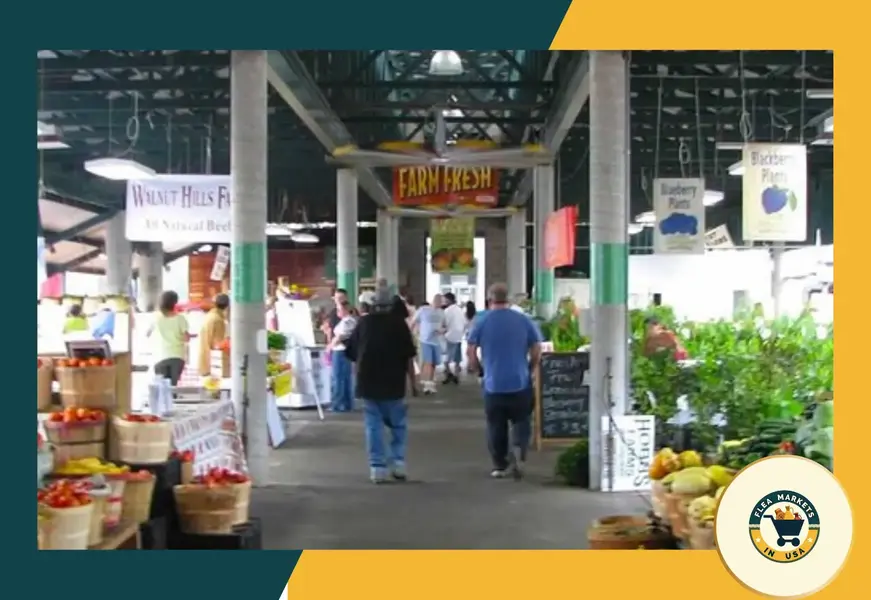
Tennessee, known for its rich music heritage, scenic beauty, and Southern hospitality, is also home to some of the best flea markets in the South. From the foothills of the Smoky Mountains to the buzzing streets of Nashville, flea markets in Tennessee offer everything from vintage goods and handcrafted art to fresh produce and one-of-a-kind antiques.
Whether you’re a weekend bargain hunter, reseller, or just love the thrill of finding something unexpected, Tennessee’s flea markets deliver a unique shopping experience. The state’s musical legacy means you’ll find vintage guitars and records, its Civil War history brings authentic memorabilia, and its craft traditions ensure beautiful handmade goods at markets across the state.
Tennessee Flea Markets
Tennessee’s flea market scene reflects the state’s character: warm, welcoming, and steeped in tradition. These aren’t just shopping destinations but community gathering places where neighbors catch up over sweet tea, musicians sometimes perform live, and strangers bond over shared love of a good deal.
The state’s diverse geography creates distinct market characters. East Tennessee’s mountain markets near the Smokies draw tourists exploring the region’s natural beauty while serving local communities. Middle Tennessee’s Nashville markets blend urban sophistication with country roots, reflecting Music City’s unique culture. West Tennessee’s markets along the Mississippi show Delta influences with deeper Southern character.
What makes Tennessee markets special is their authenticity. Vendors price fairly without trying to gouge visitors. The atmosphere stays relaxed and friendly, with that legendary Southern hospitality creating welcoming environments even for first-time market-goers. You’ll hear “y’all,” “hon,” and “bless your heart” while browsing treasures.
Tennessee’s musical heritage permeates market culture. Don’t be surprised to hear live bluegrass or country music at larger markets. Vintage instruments, concert posters, and music memorabilia appear regularly, connecting markets to the state’s soundtrack legacy.
Whether you’re hunting for vintage Nashville sound recordings, searching for Smoky Mountain crafts, stocking up on Southern cooking implements, or just enjoying a Saturday morning browsing eclectic merchandise under Tennessee sunshine, the state’s flea markets deliver authentic experiences rooted in Southern tradition.
History of Tennessee Flea Markets
Tennessee’s market traditions stretch back to frontier days when settlers gathered at trading posts to exchange goods and news. River towns along the Mississippi, Tennessee, and Cumberland Rivers developed bustling markets where steamboat traffic brought goods from across the nation.
The 1970s and 1980s saw flea markets proliferate as Americans developed collecting fever. Tennessee’s rich history meant excellent antiques available: Civil War memorabilia, Victorian furniture, Depression glass, and countless other treasures from the state’s past flowed through markets.
Memphis developed distinct market culture influenced by the city’s musical heritage and Mississippi Delta connections. Markets here featured Blues memorabilia, vintage music equipment, and Southern antiques flowing up from deeper South.
The Tri-Cities region in East Tennessee became a market hub serving the area where Tennessee, Virginia, and North Carolina meet. Large markets like Tri-Cities Flea Market drew from across state lines, creating regional rather than purely local operations.
The 1990s country music boom renewed interest in Nashville markets. Tourists visiting Music City increasingly included flea market stops alongside honky-tonk tours. Markets adapted by featuring more music-related merchandise and crafts appealing to visitors.
Economic challenges in the 2000s renewed practical flea market shopping as families sought affordable goods. Tennessee’s markets balanced serving tourists with maintaining strong local customer bases, ensuring survival through economic ups and downs.
Today’s Tennessee markets blend tradition with modern trends. You’ll find vintage vinyl records next to streaming device accessories, antique quilts alongside modern handmade crafts, and Civil War artifacts near contemporary Southern art. The markets remain community anchors where Tennessee’s past and present intersect over shared love of discovery.
Top 10 Flea Markets in Tennessee
1. Nashville Flea Market (Nashville)
Operating monthly at the Tennessee State Fairgrounds, Nashville Flea Market ranks among the South’s largest and most diverse markets. Typically held the fourth weekend of each month, it draws vendors and shoppers from across the region.
What you’ll find: Vintage furniture, antiques, collectibles, music memorabilia, handmade crafts, clothing, jewelry, home decor, art, tools, and countless other items. The variety rivals small department stores, spanning traditional antiques to contemporary handmade goods.
Why it stands out: Massive scale with hundreds of vendors filling multiple buildings and outdoor spaces. Music City location means excellent music-related merchandise. Monthly schedule creates anticipation and draws committed treasure hunters. The fairgrounds setting provides ample parking and facilities.
2. Great Smokies Flea Market (Kodak)
Located near Sevierville in the heart of Smoky Mountain tourism country, this massive year-round market operates every weekend serving tourists and locals alike. The sprawling complex houses hundreds of vendors indoors and out.
What you’ll find: Smoky Mountain crafts, souvenirs, vintage items, furniture, tools, household goods, clothing, electronics, toys, collectibles, and general merchandise. Strong emphasis on tourist-friendly items alongside practical goods for locals.
Why it stands out: Convenient location near major tourist attractions. Year-round indoor operations mean weather-proof shopping. Massive vendor count creates incredible variety. Family-friendly atmosphere with entertainment and food vendors. Free admission and parking.
3. Tri-Cities Flea Market (Blountville)
One of East Tennessee’s largest markets operates year-round on weekends in Blountville between Bristol, Kingsport, and Johnson City. This indoor/outdoor operation draws from across the Tri-Cities region and neighboring states.
What you’ll find: General merchandise, antiques, collectibles, tools, furniture, household goods, clothing, crafts, produce, and various items. Good balance between practical shopping and treasure hunting.
Why it stands out: Tri-state location draws vendors and merchandise from Tennessee, Virginia, and North Carolina. Year-round operations with climate-controlled indoor spaces. Large vendor base ensures consistent variety. Reasonable prices reflecting regional economy.
4. Dog Days Flea Market (Bluff City)
This authentic country market operates year-round on weekends in rural East Tennessee. The indoor/outdoor facility offers down-home atmosphere and excellent prices reflecting the rural community character.
What you’ll find: Tools, farm equipment, household goods, antiques, collectibles, furniture, clothing, crafts, and general merchandise. Strong representation of practical items alongside treasures.
Why it stands out: Genuine rural market experience without tourist commercialization. Extremely affordable prices. Friendly vendors and relaxed atmosphere. Food vendors serving authentic Southern cooking. Good selection despite smaller size than major markets.
5. Sevierville Flea Market (Sevierville)
Operating in the heart of Smoky Mountain tourism, this market serves the millions visiting Gatlinburg, Pigeon Forge, and the national park. The convenient location makes it popular stop for vacationers.
What you’ll find: Souvenirs, Smoky Mountain crafts, clothing, jewelry, home decor, collectibles, antiques, toys, and tourist-oriented merchandise alongside general flea market goods.
Why it stands out: Prime tourist location means high foot traffic and diverse customers. Good selection of regional crafts and mountain-themed items. Family-friendly atmosphere. Convenient for combining with other Sevierville attractions.
6. Jonesborough Flea Market (Jonesborough)
Tennessee’s oldest town hosts this charming market reflecting the historic community’s character. Operating regularly on weekends, it blends small-town atmosphere with quality merchandise.
What you’ll find: Antiques, vintage items, collectibles, crafts, furniture, books, household goods, and various treasures. Quality standards often exceed typical flea markets.
Why it stands out: Historic town setting adds character. Quality vendor selection emphasizes antiques and vintage items. The surrounding town offers historic sites, shops, and restaurants for full-day outings. Strong local following and reasonable prices.
7. Memphis Flea Market (Memphis)
Operating in Tennessee’s largest city, this urban market reflects Memphis’s unique culture blending Delta blues, barbecue, and Southern traditions. Multiple operations serve different neighborhoods.
What you’ll find: Music memorabilia (especially Blues and soul), vintage furniture, antiques, collectibles, clothing, art, crafts, and general merchandise reflecting Memphis’s diverse culture.
Why it stands out: Music City East atmosphere with incredible music-related finds. Delta influence brings Southern antiques and crafts. Urban scale provides vendor diversity. Memphis’s affordability means excellent prices compared to many markets.
8. Knoxville Flea Market (Knoxville)
East Tennessee’s largest city hosts multiple market operations serving urban and suburban communities. Markets range from monthly large-scale events to weekly neighborhood operations.
What you’ll find: General merchandise, antiques, collectibles, University of Tennessee memorabilia, furniture, tools, household goods, crafts, and various items reflecting the college town character.
Why it stands out: University presence creates market for affordable furniture and household goods. Tennessee Volunteers merchandise appears regularly. Urban convenience with Appalachian influence. Good balance between practical shopping and collecting.
9. Chattanooga Market (Chattanooga)
This scenic riverside city hosts markets blending farmers market freshness with flea market variety. The downtown location provides beautiful Tennessee River backdrop.
What you’ll find: Fresh produce, prepared foods, handmade crafts, vintage items, antiques, art, jewelry, and various merchandise. Strong emphasis on locally made and grown products.
Why it stands out: Gorgeous riverside location in revitalized downtown. Hybrid market combines food shopping with treasure hunting. Artist community means excellent handmade goods. Year-round operations maintain community connections.
10. Jackson Flea Market (Jackson)
West Tennessee’s hub city hosts this market serving the region between Memphis and Nashville. The mid-state location draws vendors from across Tennessee and neighboring states.
What you’ll find: Antiques, collectibles, furniture, tools, household goods, clothing, crafts, and general merchandise. Good representation of West Tennessee character and Southern goods.
Why it stands out: Strategic location on I-40 corridor. Authentic West Tennessee atmosphere distinct from East or Middle Tennessee. Affordable prices reflecting regional economy. Strong local following and community connections.
Tennessee Flea Markets by Region
East Tennessee Markets
East Tennessee’s markets center on the Smoky Mountains tourism corridor and Tri-Cities region. Markets near Gatlinburg, Pigeon Forge, and Sevierville cater heavily to tourists while maintaining local customer bases.
The mountain setting influences merchandise with Appalachian crafts, quilts, wood carvings, and regional specialties appearing regularly. Markets here benefit from massive tourist traffic visiting America’s most popular national park.
The Tri-Cities region hosts large markets serving Tennessee, Virginia, and North Carolina communities. These operations focus more on practical goods for residents than tourist souvenirs, though they welcome visitors.
Knoxville area markets blend college town character with Appalachian heritage. University of Tennessee influence creates markets for affordable furniture and Volunteers merchandise.
The mountainous terrain means stunning settings, with many markets offering beautiful views of the Smokies or surrounding ridges. Spring and fall provide spectacular backdrops as wildflowers bloom or leaves change color.
Middle Tennessee Markets
Middle Tennessee’s market scene centers on Nashville with Music City’s influence evident throughout. Markets here blend urban sophistication with country roots, reflecting Nashville’s unique character.
The Nashville Flea Market dominates, drawing vendors and customers from across the Southeast. Its monthly schedule creates major market events rather than routine weekly shopping.
Suburban markets in Murfreesboro, Franklin, and surrounding communities serve growing metropolitan populations. These operations focus on home decor, furniture, and items appealing to middle-class families.
Middle Tennessee’s markets show the state’s musical heritage most strongly. Vintage instruments, concert memorabilia, and music-related collectibles appear more frequently here than elsewhere in the state.
The region’s Civil War history means battleground memorabilia and period antiques flow through markets regularly. Franklin and other historic towns see particular emphasis on period items.
West Tennessee Markets
West Tennessee’s markets reflect Mississippi Delta and Deep South influences creating character distinct from eastern regions. Memphis anchors the area with urban markets showing the city’s musical and cultural heritage.
Blues and soul music memorabilia appear regularly at Memphis markets. The city’s position on the Mississippi means antiques and goods flowing up from deeper South states.
Jackson serves as West Tennessee’s interior hub, hosting markets drawing from rural communities across the region. These operations maintain more traditional Southern character than tourist-influenced East Tennessee markets.
Agricultural communities surrounding Memphis and Jackson create markets emphasizing practical tools, farm equipment, and household goods alongside collectibles and antiques.
The flatter terrain and different climate from mountainous East Tennessee create distinct market character. Summer heat influences operating hours, with markets opening early and closing by early afternoon during hot months.
Central Tennessee Markets
The state’s geographic center hosts markets serving communities between the major metropolitan areas. These markets draw from wider areas due to convenient locations along interstate corridors.
Columbia, Cookeville, and similar mid-sized towns host markets blending small-town character with regional appeal. Vendors come from across Middle Tennessee and neighboring areas.
The mix of agricultural communities, small towns, and interstate traffic creates eclectic merchandise flowing through these markets. You’ll find everything from farm antiques to urban surplus goods.
North Tennessee Markets
Northern Tennessee along the Kentucky border hosts markets serving communities in both states. Clarksville and other border towns see vendors and customers from both sides of state lines.
Fort Campbell military base influence means military surplus and collectibles appear at nearby markets. The transient military population also creates steady supply of household goods and furniture.
South Tennessee Markets
Southern Tennessee near Alabama and Georgia sees cross-border market culture. Chattanooga area markets draw from three states, creating diverse vendor bases and merchandise sources.
The Tennessee Valley Authority region’s history means period items from that era appear regularly. The area’s industrial heritage brings vintage tools and equipment through markets.
New Markets vs Established Markets
Established Markets
Tennessee’s veteran markets like Great Smokies, Tri-Cities, and Nashville Flea Market have operated for decades, building reputations through consistency and community connections. These established operations benefit from loyal vendor bases, some maintaining spots for entire careers.
Long-running markets typically offer better infrastructure: permanent buildings, paved parking, restroom facilities, and organized layouts. They’ve refined operations through experience, smoothly handling crowds, weather, and logistics.
Established markets build traditions becoming part of community identity. Families make weekend market visits rituals spanning generations. Regular customers know which vendors sell what, when to arrive for best selection, and where to find the best food.
The downside can be complacency. Some longtime vendors may coast on reputation without refreshing inventory. Established markets sometimes resist change, maintaining formats working for decades but potentially missing newer demographics.
Emerging Markets
New markets have appeared across Tennessee in recent years, often focusing on specific niches like vintage clothing, handmade crafts, or artisan foods. These operations embrace modern marketing through social media and online promotion.
Pop-up markets operate from unconventional spaces like brewery parking lots, downtown streets closed for events, and repurposed buildings. They create excitement through limited schedules and rotating vendor lineups.
Emerging markets attract younger vendors selling trendy items: mid-century modern furniture, vintage band t-shirts, handmade jewelry, upcycled home decor, and locally produced foods. Displays emphasize visual appeal and Instagram-worthiness.
These newer operations face challenges including inconsistent attendance, limited facilities, and uncertain futures. However, successful ones inject fresh energy into Tennessee’s market scene and reach demographics traditional markets sometimes miss.
Which to Choose?
First-time visitors seeking variety and reliable operations should stick with Tennessee’s established markets. Great Smokies, Nashville, and Tri-Cities offer guaranteed good experiences with extensive selection and solid facilities.
For locals or frequent market-goers seeking something different, explore newer markets advertised on social media. You’ll discover unique items and support emerging vendors building businesses. The smaller scale often enables more personal interactions with sellers.
Serious antique collectors should prioritize established markets with proven track records for quality merchandise. Bargain hunters seeking rock-bottom prices do best at large general merchandise markets. Those wanting curated vintage or handmade goods should seek specialty markets even if newer.
Shopping Guide
Best Time to Shop
The optimal shopping window at Tennessee flea markets typically falls within the first two hours after opening. Arriving early, especially at major markets like Great Smokies or Nashville, provides first access to fresh inventory before the best items disappear.
Early morning offers additional advantages in Tennessee’s climate. Summer mornings stay relatively cool before Southern heat and humidity arrive by late morning. Spring and fall provide pleasant temperatures throughout morning hours, but early arrival still delivers selection advantages.
For deal hunters rather than treasure seekers, try the final hour before closing. Vendors preparing to pack up often drastically reduce prices rather than haul merchandise home. This strategy works particularly well for bulky items like furniture, large tools, or boxes of household goods.
Mid-morning around 9 AM to 11 AM represents a compromise, offering decent selection without requiring extremely early wake-up calls. Most vendors remain well-stocked during these hours, and the atmosphere reaches peak energy without becoming overwhelming.
Best Time to Visit
By Day of Week: Saturday and Sunday both see strong activity at Tennessee flea markets. Most markets operate both days with comparable vendor counts. Some tourists prefer Sundays to avoid Saturday crowds, though the difference is often minimal.
The Nashville Flea Market’s monthly schedule means checking dates carefully. Missing the operating weekend means waiting another month, so verify schedules before planning trips.
By Season: Tennessee’s four distinct seasons impact market experiences significantly. Spring (April through May) and fall (September through October) provide ideal conditions with mild temperatures, low humidity, and beautiful surroundings as dogwoods bloom or leaves change color.
Summer markets require early arrival to beat oppressive heat and humidity. Tennessee summers can be brutal, with temperatures reaching the 90s and humidity making it feel even hotter. By noon on July days, outdoor market shopping becomes uncomfortable.
Fall reigns as Tennessee’s premier market season. September and October offer perfect weather, harvest bounty at markets with produce vendors, and stunning fall foliage creating beautiful backdrops, especially in East Tennessee mountains.
Winter reduces outdoor market operations, though major markets like Great Smokies and Tri-Cities maintain year-round schedules with indoor spaces. December through February see fewer vendors and customers at outdoor sections.
By Month: May and October rank as Tennessee’s best months for flea market shopping. Weather stays pleasant, vendor enthusiasm runs high, and the combination of spring energy or fall harvest creates vibrant market atmospheres.
Avoid late November and December when many vendors focus on holiday preparations rather than market operations. Early March can be unpredictable as markets reopen or expand after winter slowdowns.
Best Opening Hours
Tennessee flea markets typically open between 7 AM and 9 AM on operating days. Large tourist markets like Great Smokies and Sevierville often open around 9 AM to accommodate vacationers sleeping in. Rural markets may open earlier, sometimes at 7 AM for serious early birds.
The Nashville Flea Market typically opens at 9 AM during its monthly weekend operations. Smaller markets vary widely, with some opening as early as 6 AM for dealers and serious collectors.
Closing times usually fall between 4 PM and 6 PM, varying by season and weather. Summer heat prompts earlier closings, while pleasant spring and fall days see extended hours. Sunday markets often close earlier than Saturdays to allow vendors time for evening activities.
Always verify specific market hours before visiting, especially during spring and fall when schedules may adjust for weather and special events. Most markets maintain Facebook pages with current information.
When Markets Are Less Crowded and Peaceful
For peaceful shopping without battling crowds, target these times and situations:
Opening minutes before peak crowds arrive provide the calmest browsing. Show up right when gates open and enjoy 30 to 45 minutes of relatively private shopping as early birds spread across the market.
Sunday afternoons see significantly lighter traffic than Saturday mornings. By 2 PM on Sunday, many shoppers have headed home, leaving markets pleasantly uncrowded for relaxed browsing.
Winter months dramatically reduce crowds at outdoor markets. Bundle up and visit December through February for nearly private shopping experiences, though vendor selection will be limited at outdoor sections.
Hot summer days keep fair-weather shoppers home. If you can handle the heat with proper hydration and sun protection, you’ll find sparse crowds and motivated vendors willing to deal.
Off-season at tourist markets eliminates vacation crowds. Visit Smoky Mountain area markets during fall, winter, and early spring to avoid summer tourist masses while still finding good vendor selection.
Weekday hours at markets offering them provide the most peaceful shopping possible. Very few Tennessee markets operate weekdays, but those that do see minimal traffic.
Types of Vendors Available
Tennessee’s flea markets host diverse vendor types, each bringing different inventory and shopping experiences:
Full-time antique dealers maintain booths at markets statewide, specializing in quality vintage items. These vendors have expertise in specific categories like furniture, glassware, or Civil War memorabilia. They price according to market values and typically know detailed histories of items.
General merchandise resellers stock diverse new or like-new goods purchased wholesale, from liquidations, or at auctions. They sell household items, tools, toys, clothing, and countless other products at prices below retail.
Estate sale vendors acquire entire household contents when people downsize or pass away. Their inventory spans generations: dishes, books, tools, collectibles, and random treasures. Quality varies but finds hide among ordinary items.
Crafters and artisans create and sell handmade goods reflecting Tennessee’s strong craft traditions. Quilts, wood carvings, jewelry, candles, soaps, artwork, and countless other items showcase regional craftsmanship.
Music memorabilia specialists deal in vintage instruments, records, concert posters, and music-related collectibles. These vendors appear particularly at Nashville and Memphis markets, capitalizing on the state’s musical heritage.
Farmers and food producers sell fresh produce, jams, honey, baked goods, and agricultural products. They’re common at markets with farmers market components and throughout rural Tennessee.
Tool and equipment dealers focus on used tools, equipment, and hardware. Popular throughout Tennessee serving contractors, farmers, and DIY enthusiasts seeking specific items at bargain prices.
Vintage clothing specialists offer curated vintage fashion from various eras. Quality ranges from genuine designer vintage to bulk secondhand clothing.
Collectibles experts specialize in specific categories: sports memorabilia, comic books, toys, bottles, or other collectible fields. They typically price according to market values and actively buy as well as sell.
Tourist-oriented vendors near Smoky Mountains sell souvenirs, regional crafts, and vacation-related merchandise. These vendors understand tourist needs and price accordingly.
Types of Items Sold
Antiques and Vintage Items: Furniture, glassware, pottery, quilts, advertising signs, bottles, vintage toys, farm equipment, and countless other items from Tennessee’s past. Civil War memorabilia appears regularly given the state’s history.
Music Memorabilia: Vintage guitars and instruments, records (especially country, blues, and rock), concert posters, signed items, and music equipment. Tennessee’s musical heritage means excellent selection statewide.
Furniture: Everything from genuine antiques to mid-century modern to contemporary used furniture. Dining sets, bedroom suites, sofas, chairs, and various pieces at prices far below retail.
Tools and Equipment: Hand tools, power tools, garden equipment, automotive tools, hardware, and farm equipment. Tennessee’s agricultural heritage and DIY culture mean excellent tool selection.
Household Goods: Dishes, cookware, small appliances, decorations, linens, storage containers, and everything needed to run households.
Clothing and Accessories: New discount clothing, used clothing, vintage fashion, work clothes, children’s clothes, shoes, boots, purses, hats, and jewelry from costume pieces to genuine antiques.
Crafts and Handmade Goods: Quilts, wood carvings, pottery, candles, soaps, jewelry, paintings, and countless other items reflecting Tennessee’s strong craft traditions and Appalachian heritage.
Collectibles: Sports memorabilia (especially Tennessee Titans, Vols, and Predators), trading cards, comic books, stamps, coins, action figures, dolls, and items from countless collecting categories.
Books and Media: Used books, vinyl records, CDs, DVDs, magazines, and other reading and entertainment media at bargain prices.
Electronics: Computers, tablets, phones, audio equipment, TVs, and various electronic gadgets at prices well below new retail.
Smoky Mountain Specialties: Regional crafts, mountain-themed decor, wildlife items, and souvenirs specific to East Tennessee tourism.
Southern Foods: Jams, jellies, honey, hot sauces, pickled items, country hams, and various Southern specialty foods.
Garden and Outdoor Items: Plants, flowers, garden tools, outdoor decorations, and items for yards and gardens reflecting Tennessee’s outdoor culture.
Artwork: Original paintings, prints, photography, and various art pieces from amateur to professional artists, often featuring Tennessee landscapes and themes.
Religious Items: Bibles, religious books, crosses, church pews, and various items reflecting Tennessee’s strong religious culture, particularly in rural areas.
Additional Shopping Destinations in Tennessee
Beyond traditional weekend flea markets, Tennessee offers other venues for bargain hunting and treasure seeking:
Antique Stores and Malls operate in towns across Tennessee, with notable concentrations in Franklin, Columbia, Jonesborough, and various small towns. These permanent shops offer curated inventories year-round.
Estate Sales happen constantly across Tennessee, particularly in established Nashville, Memphis, and Knoxville neighborhoods. Online services list upcoming sales of household contents often including quality antiques.
Thrift Stores run by charities like Goodwill and local organizations provide year-round secondhand shopping with proceeds supporting good causes. Prices stay low and inventory turns over constantly.
Auctions happen regularly across Tennessee, from high-end antique auctions to farm equipment sales to general estate auctions. Live bidding creates excitement and opportunities for deals.
Church Rummage Sales happen regularly, especially during spring and fall. These fundraising sales offer donated items at bargain prices, with proceeds supporting church missions and programs.
Community Yard Sale Events where entire neighborhoods participate create mini flea market experiences. These typically happen on spring and fall weekends with multiple sales within walking distance.
Craft Fairs particularly in East Tennessee showcase Appalachian crafts, quilts, and traditional items. These juried shows offer higher quality than general flea markets but charge admission and feature higher prices.
Music Venues in Nashville occasionally host vintage instrument shows and music memorabilia sales appealing to collectors and musicians.
Tips for Shopping Tennessee Flea Markets
Bring Cash: Most vendors prefer cash, and many operate cash-only. ATMs may not be readily available at market locations, especially rural ones. Come prepared with various denominations, particularly smaller bills.
Dress for Heat: Tennessee summers are hot and humid. Wear light, breathable clothing, hats, and sunscreen. Bring water bottles and stay hydrated during long shopping sessions.
Wear Comfortable Shoes: You’ll walk miles on various surfaces including pavement, gravel, and grass. Comfortable, broken-in walking shoes are essential.
Start Early: Arrive when markets open for best selection. Serious dealers and resellers shop early, buying the best items before general public arrives.
Negotiate Respectfully: Haggling is expected at Tennessee flea markets, but maintain Southern courtesy. Never insult merchandise or vendors. Simply ask, “Is this your best price?” or “Would you consider [amount]?”
Inspect Items Carefully: Examine merchandise for damage, defects, or missing parts before purchasing. Sales are typically final with no returns. For electronics, ask vendors to demonstrate functionality.
Bring Supplies: Reusable shopping bags, boxes, or carts help transport purchases. Tape measures prove useful for furniture shopping. Hand sanitizer and wet wipes help since restrooms may be limited.
Know Values: Research beforehand if hunting specific collectibles or antiques. Smartphone apps help check current market values. Understanding fair prices prevents overpaying and helps recognize genuine bargains.
Try the Food: Tennessee flea markets often feature excellent food vendors serving Southern specialties. Don’t miss authentic barbecue, country cooking, and regional favorites.
Bring Help for Large Items: If furniture shopping, bring an extra person and suitable vehicle. Most vendors don’t offer delivery services. Measure your vehicle’s cargo space beforehand.
Check Market Schedules: Verify markets are operating before long drives. Weather, holidays, and special events affect operations. Social media pages typically have most current information.
Ask About Music History: At Nashville and Memphis markets, vendors often have fascinating stories about music memorabilia. Don’t hesitate to ask about provenance and history.
Support Local Artisans: When possible, buy from vendors who created items themselves. These purchases support Tennessee’s craft economy and deliver unique products.
Be Weather Aware: Tennessee weather can change quickly. Summer thunderstorms appear suddenly. Outdoor markets may close if weather turns severe.
Respect Southern Culture: Tennessee markets reflect Southern values. Courtesy, friendliness, and patience are expected. Rude or aggressive behavior stands out negatively in these community settings.
Plan Full Days: Markets near Smokies or in Nashville combine well with other attractions. Plan entire days exploring markets and surrounding areas.
Join Mailing Lists: Some markets offer email lists or loyalty programs announcing special events, new vendors, or sales.
Have Fun: The best flea market shopping happens when you relax and enjoy the experience. Tennessee’s friendly atmosphere makes treasure hunting entertainment rather than just shopping.
Frequently Asked Questions
What is the largest flea market in Tennessee?
The Great Smokies Flea Market near Sevierville and the Nashville Flea Market both claim status as Tennessee’s largest. Great Smokies operates year-round every weekend with hundreds of indoor and outdoor vendors. Nashville Flea Market operates monthly but draws massive crowds and vendors from across the Southeast during its operating weekends.
Are Tennessee flea markets open year-round?
Major markets like Great Smokies Flea Market and Tri-Cities Flea Market operate year-round with indoor climate-controlled spaces. Many outdoor markets close or dramatically reduce operations during winter months (December through February). Nashville Flea Market operates year-round but only one weekend per month.
What day is best for visiting Tennessee flea markets?
Both Saturday and Sunday see strong activity at Tennessee flea markets with comparable vendor counts and crowds. Some markets operate both days while others choose one or the other. The Nashville Flea Market operates both Saturday and Sunday during its monthly weekend. Check specific market schedules before planning visits.
Do vendors accept credit cards at Tennessee flea markets?
Acceptance varies widely. Some larger or established vendors now accept credit cards using mobile card readers. However, many vendors remain cash-only, particularly at rural markets and smaller operations. Always bring sufficient cash in various denominations for smoothest transactions.
Can I negotiate prices at Tennessee flea markets?
Yes, negotiating is expected and accepted at Tennessee flea markets. Most vendors price items with room for haggling. Approach negotiations respectfully with Southern courtesy by asking “Is this your best price?” rather than making insulting lowball offers. Buying multiple items from one vendor increases leverage.
Are pets allowed at Tennessee flea markets?
Policies vary by market. Many outdoor markets welcome leashed, well-behaved dogs. Indoor markets often prohibit pets except service animals due to space constraints and health regulations. Always check specific market policies before bringing pets. Clean up after animals and keep them under control.
What makes Tennessee flea markets unique?
Tennessee markets reflect the state’s musical heritage with excellent music memorabilia and sometimes live performances. Southern hospitality creates welcoming atmospheres. The state’s history means quality Civil War and period antiques. Appalachian craft traditions ensure beautiful handmade goods. Tourist markets near Smokies offer unique regional character.
Is there an admission fee for Tennessee flea markets?
Most Tennessee flea markets offer free admission. Some may charge for parking, typically $3 to $5. The Nashville Flea Market charges small admission fees to support operations. Always check specific market policies before visiting.
What types of food are available at Tennessee flea markets?
Food vendors serve Southern specialties including barbecue, country cooking, fried foods, and regional favorites. Breakfast vendors offer biscuits, country ham, and traditional Southern breakfasts. Larger markets feature multiple food vendors or food trucks offering diverse options. Sweet tea is usually available.
When is the Nashville Flea Market held?
The Nashville Flea Market typically operates one weekend per month, usually the fourth weekend. The exact schedule varies, so check their official website or social media before planning visits. The market operates both Saturday and Sunday during its monthly weekend from 9 AM to late afternoon.
Conclusion
Tennessee’s flea markets offer more than simple shopping. They’re windows into Southern culture where hospitality meets heritage, where music history comes alive through vintage finds, and where community connections form over shared love of discovery.
Whether you’re hunting vintage guitars in Nashville, browsing mountain crafts near the Smokies, exploring Civil War memorabilia in historic towns, or discovering Blues treasures in Memphis, Tennessee delivers authentic experiences rooted in the state’s rich traditions.
The variety spans the spectrum: massive tourist operations drawing visitors from across the nation, intimate small-town markets where everyone knows each other’s names, sophisticated urban markets reflecting Music City’s character, and down-home country operations where neighbors trade and barter.
Remember the essentials: arrive early for best selection, bring plenty of cash, wear comfortable shoes and weather-appropriate clothing for Southern heat, negotiate with courtesy, and inspect items before buying. But most importantly, embrace the experience as quintessentially Tennessee.
Chat with vendors about music history and local heritage. Sample authentic Southern cooking from food vendors. Discover unexpected treasures that become conversation pieces. Appreciate the friendliness and hospitality that makes Tennessee special.
Tennessee’s compact size and excellent highways mean you can explore diverse markets easily. Spend Saturday at Great Smokies’ massive market, then drive to Nashville for the monthly flea market the following weekend. Each delivers different aspects of Tennessee life and distinct shopping experiences.
These markets represent important community gathering places where Tennessee’s past and present intersect. Antiques carry stories from frontier days and Civil War times. Music memorabilia connects to legends who shaped American culture. Vendors build businesses and creative careers through market sales.
Pack your reusable bags, grab some cash, set that alarm for early Saturday morning, and discover why Tennessee residents and visitors alike return to these markets week after week, season after season. You’ll leave with bargains and treasures, certainly, but also with fuller appreciation for the Volunteer State’s distinctive culture and the communities these markets build. And probably with some excellent Southern food in your belly, a vintage vinyl record under your arm, and a smile on your face from a perfect morning spent treasure hunting in Tennessee.