
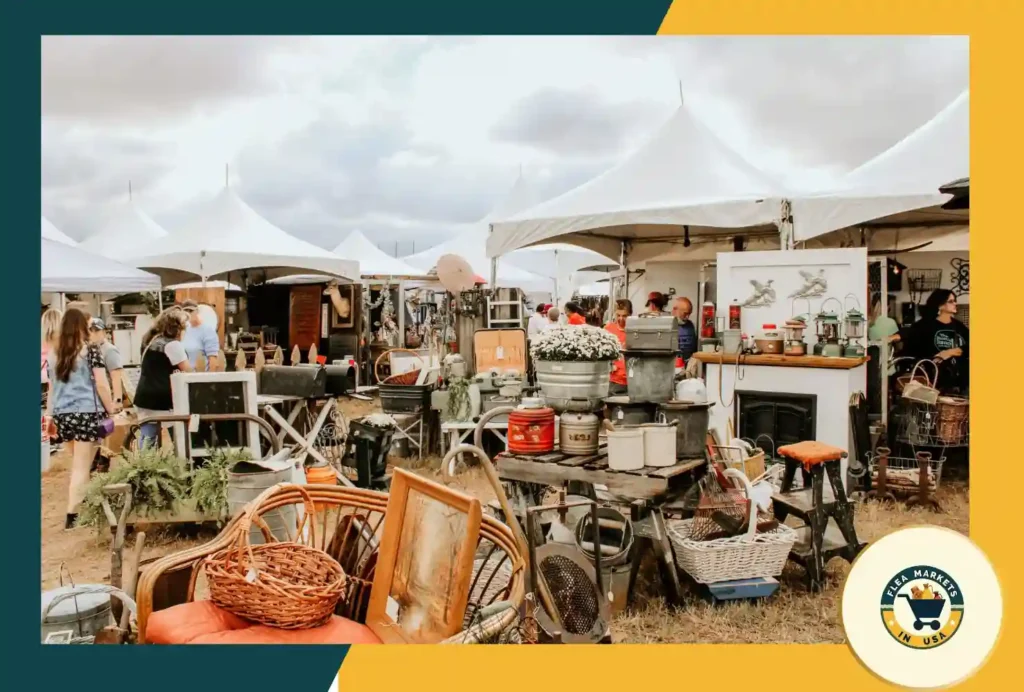
Route 66 Treasures and Heartland Finds
Oklahoma, steeped in Route 66 nostalgia and Native American heritage, offers a vibrant and diverse flea market scene that reflects the Sooner State’s rich history and contemporary culture. From the bustling urban markets of Oklahoma City to the established collector venues in Tulsa, from the rural farmland of western Oklahoma to the eastern communities shaped by tribal traditions, the state’s flea markets deliver everything from authentic Route 66 memorabilia and vintage Americana to handmade contemporary crafts and fresh local agricultural goods.
Oklahoma flea markets aren’t merely shopping venues. They’re cultural gathering spaces where Route 66’s golden age intersects with modern collecting passions. Vintage gas station signs sit alongside oil industry memorabilia. Native American artwork shares booth space with 1950s diner goods reflecting mid-century Americana. Ranching equipment and western collectibles coexist with contemporary handcrafted jewelry. This blend of historical heritage, regional character, and modern artisanship creates shopping experiences that engage multiple interests and budgets.
The state’s geographic and cultural diversity creates distinctly different market experiences. Oklahoma City’s Old Paris Flea Market pulses with multicultural energy and exceptional vendor diversity reflecting the capital’s cosmopolitan character. Tulsa’s Flea Market at Expo Square attracts serious collectors and established dealers creating more curated shopping atmosphere. Smaller communities throughout the state maintain market traditions reflecting local culture and agricultural heritage.
Whether you’re sourcing authentic Route 66 memorabilia for collections or businesses, hunting rare oil industry artifacts reflecting Oklahoma’s petroleum heritage, seeking Native American artwork supporting indigenous artists, or simply enjoying weekend treasure-hunting adventures with family and friends, Oklahoma flea markets deliver authentic experiences rooted in the state’s distinctive culture and history.
This comprehensive guide walks you through Oklahoma flea markets organized by region and city, providing detailed market descriptions, understanding vendor ecosystems, practical shopping wisdom rooted in Oklahoma’s hospitality culture, optimal timing strategies, and thorough answers to common questions. Whether you’re planning your first Oklahoma flea market adventure or expanding your regular circuit, you’ll find the information needed to maximize visits and uncover hidden treasures.
History of Oklahoma Flea Markets
Oklahoma flea market culture emerged from the state’s unique position at the intersection of Native American heritage, oil boom prosperity, and Route 66 commerce. The early 20th century oil discovery created wealth and consumer goods abundance. Route 66’s establishment in 1926 created highway commerce culture generating roadside markets and informal sales networks. These dual influences shaped Oklahoma’s early market landscape distinctly from other states.
The 1960s and 1970s witnessed expansion in Oklahoma flea market activity as economic diversification reduced dependence on extractive industries. Markets became important community gathering spaces and supplemental income sources. Rural communities established seasonal markets. Urban centers developed indoor facilities catering to growing populations. The counterculture movement’s emphasis on secondhand goods and vintage aesthetics aligned with Oklahoma’s practical, no-nonsense consumer traditions.
Route 66 nostalgia began reshaping Oklahoma markets during the 1980s and 1990s. As the highway lost its commercial significance following Interstate construction, Route 66 memorabilia became increasingly collectible. Oklahoma vendors recognized the historical and commercial potential of Route 66 goods. Collectors traveled specifically to Oklahoma markets seeking authentic highway artifacts. This specialized focus created market differentiation and attracted national collector networks.
The 2000s brought contemporary challenges as big-box retailers and online commerce displaced traditional flea market shopping. However, Oklahoma markets adapted through cultural emphasis and heritage celebration. Markets began highlighting Native American vendors and artists. Route 66 tourism created seasonal visitor demand. Oil industry nostalgia attracted collectors seeking vintage petroleum memorabilia. Markets positioned themselves as cultural institutions celebrating Oklahoma heritage rather than merely secondhand goods repositories.
Today’s Oklahoma flea markets blend heritage preservation with contemporary retail expectations. Professional management coexists with vendor independence. Climate-controlled facilities operate alongside outdoor markets. Seasonal operations maintain strong traditions while year-round venues serve committed collectors. This diversity ensures Oklahoma offers authentic flea market experiences suited to virtually any shopping preference, budget, or collecting passion rooted in the state’s unique heritage.
Top Oklahoma Flea Markets by Region
Central Oklahoma (Oklahoma City Area)
Old Paris Flea Market
Old Paris Flea Market in Oklahoma City stands as one of the largest and most diverse indoor-outdoor flea markets in the state, anchoring Central Oklahoma’s market landscape with exceptional vendor diversity and year-round reliability. The sprawling facility accommodates hundreds of vendors across multiple buildings and covered outdoor sections, creating comprehensive shopping environment reflecting Oklahoma City’s multicultural composition.
What distinguishes Old Paris is its remarkable vendor diversity reflecting Oklahoma City’s economic and cultural range. Latin American importers maintain permanent vendor presences alongside vintage Americana specialists, antique furniture dealers, electronics vendors, and contemporary craft makers. This unexpected diversity creates merchandise combinations unavailable at more homogeneous markets. First-time visitors often feel disoriented by the sheer scale, yet repeated visits reveal logical organization reducing navigation confusion.
Old Paris’ integrated food services represent distinctive advantage. Food stalls throughout the facility offer everything from traditional Oklahoma fare to international cuisine, allowing full-day market experiences without leaving the venue. This hospitality emphasis aligns with Oklahoma’s reputation for welcoming culture and friendly service. Vendors span price ranges from budget-conscious household goods to authenticated antiques commanding premium prices, ensuring shoppers on any budget find appropriate merchandise.
The indoor-outdoor hybrid design provides weather flexibility critical to Oklahoma’s climate. During extreme summer heat or winter cold, indoor sections remain comfortable while outdoor areas attract seasonal browsers. This design feature extends market accessibility across seasons beyond typical outdoor-only venues dependent on stable weather.
- Operating Schedule: Year-round weekends (Saturday-Sunday); some weekday hours; verify current schedule
- Physical Layout: Multiple connected buildings with indoor and covered outdoor sections spanning several acres
- Vendor Types: Exceptionally diverse including Latin American importers, antique dealers, electronics vendors, clothing sellers, crafts artisans, and food service operators
- Merchandise Range: Tools, collectibles, vintage goods, furniture, electronics, clothing, crafts, food items, Latin imports
- Customer Profile: Families, bargain hunters, collectors, tourists, multicultural shoppers
- Parking: On-site parking available, generally adequate except peak holiday periods
- Food Services: Scattered throughout facility; diverse food options
- Unique Strengths: Scale, vendor diversity, integrated food services, indoor-outdoor flexibility, multicultural character
- Best For: First-time Oklahoma visitors, families, those wanting comprehensive shopping, economically diverse merchandise, full-day adventures
Northeastern Oklahoma (Tulsa Area)
Tulsa Flea Market at Tulsa Expo Square
Tulsa Flea Market operates within Tulsa Expo Square, a venue specifically designed for market operations and event hosting. This dedicated market facility brings professional infrastructure to vendor operations, creating climate-controlled shopping environment and organized booth layout. The Expo Square venue attracts serious collectors, established dealers, and professional vendor networks creating more curated atmosphere than casual neighborhood markets.
The market’s climate-controlled facility creates year-round reliability unaffected by Oklahoma weather extremes, distinguishing it from seasonal outdoor markets. This advantage particularly matters during summer heat and winter cold when outdoor market participation diminishes. Professional facility standards attract vendors maintaining higher merchandise standards and presentation quality.
Tulsa’s market draws from broader northeastern Oklahoma region including cross-border collectors from Kansas, Missouri, and Arkansas. The established collector community surrounding Tulsa creates specialized vendor networks focusing on categories particularly popular locally. Antiques, jewelry, collectibles, and handmade goods dominate vendor mix reflecting serious collector demographics.
The Expo Square facility allows specialized themed markets and seasonal events. Markets occasionally feature antique shows, specialized collector events, or vendor theme days that attract specific demographic groups. This event-based programming differentiates Tulsa from simple open-vendor markets, creating occasions that extend beyond basic buying and selling.
- Operating Schedule: Saturday operations primarily; verify current schedule as seasonal variations occasionally occur
- Physical Venue: Climate-controlled Expo Square facility with dedicated market infrastructure
- Vendor Types: Antique dealers, jewelry specialists, collectibles vendors, handmade goods crafters
- Merchandise Range: Antiques, jewelry, collectibles, handmade goods, regional merchandise
- Customer Profile: Serious collectors, established dealers, professional networks, cross-border shoppers
- Parking: On-site parking; adequate and convenient
- Food Services: Available throughout facility
- Unique Strengths: Climate control reliability, professional venue, collector-focused, event programming, cross-border appeal
- Best For: Serious collectors, Saturday devotees, antique enthusiasts, professional dealer interaction, established vendor relationships
Understanding Oklahoma’s Unique Flea Market Culture
Route 66 Memorabilia and Highway Americana
Route 66 runs directly through Oklahoma’s cultural DNA, and this legendary highway’s commercial heritage permeates the state’s flea markets distinctly. Vendors consistently stock Route 66 memorabilia including vintage gas pump signs, old neon advertising, vintage maps and postcards, motel memorabilia, and roadside stand collectibles. Serious Route 66 enthusiasts specifically target Oklahoma markets seeking authentic highway artifacts unavailable or underrepresented elsewhere.
The Route 66 connection explains Oklahoma markets’ emphasis on specific merchandise categories. Roadside Americana, vintage truck stop goods, historic signage, and transportation memorabilia appear prominently across markets. Collectors travel specifically to Oklahoma understanding that authentic merchandise availability and vendor expertise exceeds other states lacking direct Route 66 heritage.
Prices for Route 66 items reflect genuine scarcity and historical significance. Original gas pump globes, authenticated vintage signs, period photographs, and roadside promotional materials command premium pricing. Budget-conscious collectors focus on reproductions, postcards, and less rare items. Oklahoma’s market culture accommodates both serious investment collectors and casual nostalgia enthusiasts.
Oil Industry Heritage and Petroleum Memorabilia
Oklahoma’s oil boom created distinctive merchandise categories reflecting the state’s extractive heritage. Oil derricks, vintage oil company promotional items, petroleum company calendars, drilling equipment, and industrial artifacts appear regularly across markets. Oklahoma’s oil heritage creates consistent vendor supply and national collector demand distinguishing Oklahoma markets from other states.
Oil industry memorabilia collectors specifically seek Oklahoma markets recognizing that authentic merchandise and vendor expertise concentrates here. This specialized collecting category attracts both nostalgic buyers and serious industrial memorabilia collectors. Prices range from affordable promotional items to premium original equipment commanding substantial investment.
Vendors often specialize in oil industry categories, developing expertise about manufacturers, dating artifacts, and authentication. This vendor specialization creates educational shopping experiences where collectors learn about petroleum industry history alongside purchasing.
Native American Heritage and Contemporary Artistry
Native American heritage influences Oklahoma markets distinctly reflecting the state’s positioning as homeland for numerous relocated tribes and continuing indigenous communities. Contemporary Native American artwork, traditional crafts, historical items, educational materials, and collectibles appear across markets. Many vendors are themselves Native American artists and craftspeople representing tribal traditions and cultural expression.
Authentic items command higher prices while reproductions and contemporary work offer more accessible entry points. Shopping for Native American merchandise requires understanding authenticity and artist identity. Many markets feature Native American vendors operating their own booths, creating direct artist-to-consumer sales supporting indigenous economic participation.
The cultural respect surrounding Native American goods shapes market dynamics distinctly. Vendors and shoppers approach this category with awareness of cultural significance beyond monetary value. This cultural consciousness creates market atmosphere differentiating Oklahoma from states lacking indigenous heritage emphasis.
Vintage Western and Ranching Goods
Oklahoma’s ranching heritage creates consistent demand for saddles, bridles, spurs, ranching equipment, cowboy memorabilia, and vintage western wear. Both working cowboys seeking functional equipment and collectors seeking western nostalgia participate in this category. The merchandise spans everyday working gear to premium vintage collectibles.
Western goods vendors often maintain expertise about condition, authenticity, and historical significance. Specialized knowledge about saddle makers, spur manufacturers, and western equipment origins creates vendor credibility. This category attracts serious collectors willing to pay premium prices for authenticated pieces.
Vendor Culture and Relationship Building
Oklahoma vendors expect and appreciate customer engagement reflecting the state’s hospitality traditions. Extended conversations about merchandise, vendor histories, and negotiation are normal parts of the experience. Vendors remember regular shoppers, offer insider information about incoming merchandise, and sometimes hold items for trusted customers. This relationship-driven culture creates continuity across market visits and customer loyalty.
Many Oklahoma vendors operate circuits across multiple markets, creating vendor networks. Regulars track specific vendors across market locations, visiting particular booths at different venues. This professional vendor network maintains quality standards and merchandise consistency while allowing vendors to reach broader geographic customer bases.
Shopping Guide: Complete Vendor and Item Information
Types of Vendors at Oklahoma Flea Markets
Professional Antique Dealers operate established booths particularly at Tulsa’s Expo Square, specializing in authenticated antiques spanning multiple periods and styles. Many develop expertise in Route 66 memorabilia, oil industry artifacts, or western collectibles. These vendors bring expert knowledge, authentication capabilities, and typically higher price points reflecting merchandise value. They serve serious collectors and those seeking authenticated pieces.
Route 66 Specialists dedicate booths to highway memorabilia, vintage signage, roadside Americana, and transportation history. These vendors understand Route 66 history, identify authentic versus reproduction pieces, and serve passionate collectors pursuing specific items or building comprehensive collections.
Oil Industry Memorabilia Vendors focus on petroleum company promotional items, derrick-related goods, drilling equipment, and industrial artifacts. Many develop specialized knowledge about specific oil companies, dating mechanisms, and historical significance.
Native American Artists and Craftspeople represent growing vendor presence, particularly at community-focused markets. These vendors sell their own created works and traditional crafts representing tribal traditions and contemporary indigenous artistic expression.
Vintage Clothing and Fashion Vendors showcase vintage clothing organized by era, style, or designer. Oklahoma’s vintage fashion community means clothing vendors understand sizing differences, authenticate vintage labels, and maintain fashion history knowledge.
Furniture and Home Goods Vendors showcase vintage furniture ranging from mid-century modern to ranch-style pieces, alongside home accessories reflecting Oklahoma’s design preferences for western and rustic aesthetics.
Jewelry Vendors operate booths featuring vintage, antique, and handmade contemporary jewelry. Many offer professional appraisals and authentication services, particularly for western silver and turquoise pieces.
Tool and Equipment Specialists stock vintage hand tools, power equipment, farm tools, and ranching equipment reflecting Oklahoma’s agricultural and industrial heritage.
Collectibles Specialists focus on vintage toys, action figures, comic books, sports memorabilia, trading cards, and thematic collections.
Local Craft and Handmade Vendors bring original jewelry, ceramics, textiles, wooden goods, and contemporary handcrafted items particularly at Oklahoma City markets.
Food and Produce Vendors offer fresh local produce, baked goods, preserves, honey, and locally-made products particularly at Old Paris.
Types of Items You’ll Find at Oklahoma Markets
Route 66 Memorabilia represents distinctive portions of Oklahoma inventory. Expect vintage gas station signs, neon advertising, old postcards, motel memorabilia, period photographs, vintage maps, and roadside stand collectibles. Quality and authenticity vary significantly. Serious collectors seek authenticated pieces while casual shoppers purchase reproductions and affordable nostalgia items.
Oil Industry Artifacts include oil derricks, vintage company promotional items, petroleum calendars, drilling equipment, and industrial memorabilia. This category reflects Oklahoma’s economic heritage and attracts national collector networks.
Native American Artwork and Crafts span contemporary artwork from indigenous artists, traditional tribal crafts, historical items, and educational materials. Authenticity and artist identification matter significantly for valuation.
Western and Ranching Equipment includes saddles, bridles, spurs, working gear, cowboy memorabilia, and vintage western wear reflecting the state’s ranching traditions.
Vintage Furniture ranges from mid-century modern to ranch-style pieces, including rustic and western-themed items reflecting regional design preferences.
Vintage Clothing and Accessories span multiple decades with emphasis on western wear, work clothes, and period pieces reflecting Oklahoma’s culture.
Jewelry includes vintage costume pieces, antique precious metal jewelry, contemporary handmade items, and western silver with turquoise.
Collectibles and Memorabilia encompass toys, action figures, comic books, trading cards, and thematic collections.
Tools and Equipment reflect practical Yankee heritage with vintage hand tools, farm equipment, and specialized machinery.
Books and Media include vintage publications, regional history, Oklahoma-focused literature, and collectible editions.
Home Decor and Accessories reflect western and ranch-style preferences with vintage signs, lanterns, saddle racks, and rustic pieces.
Fresh Produce and Local Food at Old Paris feature vegetables, fruits, baked goods, and locally-made products.
Best Time to Shop at Oklahoma Flea Markets
Best Time to Visit
Spring (April-May) marks ideal visiting season as weather stabilizes and outdoor markets prepare for peak season. Merchandise inventories refresh. Spring weather creates pleasant shopping conditions. Collector enthusiasm peaks. Early spring offers fewer crowds than summer while maintaining excellent selection.
Fall (September-November) presents another excellent shopping window before winter weather impacts operations. Fall weather provides comfortable shopping without summer heat. Crowds remain solid but less intense than peak season. Vendors offer end-of-season sales preparing for winter shutdown.
Year-Round at Tulsa Expo Square provides reliable shopping options regardless of season. Climate control allows comfortable winter and summer shopping. Regular operations mean consistent vendor participation and merchandise availability.
Avoid Peak Summer (July-August) if heat sensitivity concerns you. Extreme Oklahoma heat impacts outdoor market participation. Summer crowds include tourists and vacationers reducing serious collector presence. However, air-conditioned indoor markets like Old Paris’ indoor sections remain accessible.
Best Opening Hours (Least Crowded Times)
Early Morning (Opening to 10 AM) at markets provides advantages without extreme early rising requirements. Early shopping offers fresh merchandise and manageable crowds. Vendors appreciate early shoppers who appreciate merchandise quality.
Weekday Operations at markets offering weekday hours provide significantly reduced crowds compared to weekends. Mid-week shopping offers relaxed atmospheres and patient vendors more willing to negotiate.
Rainy Weekends at outdoor markets dramatically reduce crowds while often motivating vendor negotiation. If weather doesn’t concern you, rainy conditions can yield excellent deals and minimal competition.
Mid-Afternoon (2 PM to 4 PM) at larger markets creates another quiet shopping window. Morning crowds have moved on while evening crowds haven’t yet arrived.
When Markets Are Most Crowded
Saturday Mornings (8 AM to Noon) at major markets attract peak crowds and maximum vendor participation. Parking becomes challenging and vendor negotiation opportunities diminish.
Summer Weekends (June-August) bring families, tourists, and casual browsers creating maximum foot traffic. Peak crowds impact shopping comfort and merchandise availability.
Holiday Periods bring festive shoppers, decorators, and gift seekers, substantially increasing crowds.
First Weekend of Operating Season at seasonal markets attracts peak crowds as market reopens.
Practical Shopping Information
How to Prepare for Your Visit
Check Ahead for Hours and Dates since Oklahoma markets adjust schedules seasonally. Most established markets maintain websites or social media pages with current information. Weather occasionally impacts operations.
Bring Multiple Payment Options. Cash remains essential at flea markets, but many vendors now accept cards via mobile payment systems. Bring mixed small bills for negotiation and making change, plus card backup. Some vendors charge card fees.
Dress for Oklahoma Weather. The state’s dramatic temperature swings require preparation. Bring layers for outdoor markets where temperature fluctuates throughout the day. Summer heat requires light clothing and sunscreen. Winter needs warm jackets. Comfortable, weather-appropriate shoes are essential.
Bring Bags and Carrying Equipment. Reusable shopping bags, rolling carts, wagons, or hand trucks dramatically transform your shopping experience, particularly at sprawling Old Paris. Many serious shoppers dedicate equipment specifically for market trips.
Know Your Parking Situation. Old Paris offers on-site parking. Tulsa Expo Square provides ample convenient parking. Arrive early to secure close parking at peak times.
Set a Budget and Stick to It. Flea markets’ treasure-hunt excitement can lead to impulse purchases. Setting realistic budgets and remaining disciplined helps shop deliberately rather than reactively.
Make a Shopping List. If seeking specific items or categories, create a mental list. This focus prevents getting completely sidetracked while allowing spontaneous discoveries.
Inspect Items Carefully. Flea market merchandise is typically sold as-is without returns or warranties. Look carefully for damage, test electronics when possible, and ask about condition and history.
Negotiation Tips
Open with Questions. Rather than immediately offering lower prices, ask about item history, condition, or whether pricing is flexible. This builds rapport and shows genuine interest reflecting Oklahoma’s conversational culture.
Acknowledge Vendor Expertise. Particularly for Route 66 and oil industry items, show respect for vendor knowledge. Vendors respond better to respectful engagement appreciating their expertise.
Make Reasonable Offers. Suggesting 50% of asking price doesn’t work. Reasonable offers of 10-15% below asking typically get positive responses, particularly for multiple item purchases or late-day shopping.
Bundle Multiple Items. Vendors more readily negotiate when you’re purchasing several items. Ask for combined pricing on multiple purchases.
Shop Later in the Day. Vendors approaching market closing often become more flexible on pricing to reduce transport loads. Late afternoon shopping can yield better outcomes.
Be Prepared to Walk Away. Genuine willingness to leave is sometimes the best negotiation tactic. Vendors recognizing you’re seriously considering merchandise often adjust.
Show Respect and Good Faith. Vendors who feel respected and believe you’re genuinely interested prove more flexible. This reflects Oklahoma’s hospitality culture.
What Not to Do When Visiting
Avoid touching items without permission. Some merchandise requires careful handling. Always ask vendors before examining items.
Don’t expect to return items. All merchandise is sold as-is without warranties. Examine carefully before purchasing.
Avoid bringing pets unless specifically permitted. Check individual market rules before arriving with animals.
Don’t expect cards everywhere. Many vendors operate cash-only. ATMs are available at major venues but not universally.
Avoid visiting during extreme heat if heat sensitivity concerns you. Early morning or late afternoon shopping provides more comfort.
Regional Shopping Considerations
Central Oklahoma (Oklahoma City)
Old Paris serves urban populations and attracts diverse shoppers reflecting Oklahoma City’s multicultural character. Expect knowledgeable vendors, exceptional merchandise diversity, pricing reflecting urban market sophistication, and crowds particularly on weekends.
These markets work best when you appreciate diverse shopping and community atmosphere. Negotiation requires awareness of fair market values. The upside is selection breadth, vendor expertise, and authentic urban cultural experiences.
Northeastern Oklahoma (Tulsa)
Tulsa Flea Market serves broader regional populations with serious collectors and professional dealers. Expect established vendor communities, reliable climate-controlled operations, collector-focused atmospheres, and pricing reflecting professional dealer networks.
The Expo Square venue creates shopping experiences aligned with serious collecting rather than casual browsing. These markets appeal to those seeking authenticated merchandise and professional dealer interaction.
Frequently Asked Questions About Oklahoma Flea Markets
Q: Are flea markets in Oklahoma seasonal?
A: Outdoor markets operate from spring through fall primarily. Climate-controlled venues like Tulsa Expo Square operate year-round. Always verify current operating schedules.
Q: Is there an entrance fee?
A: Most Oklahoma flea markets charge minimal or no entrance fees. Some may charge $1-5 per person if any fee applies. Check specific markets for current policies.
Q: What time should I arrive?
A: Markets typically open between 8 AM and 10 AM. For best selection, arrive at opening or shortly after. Later morning arrivals (9-10 AM) work fine for casual browsing and offer negotiating advantages as vendors seek sales.
Q: Are pets allowed at flea markets?
A: Some markets allow leashed pets at outdoor sections. Indoor venues typically restrict animals. Check specific market policies before bringing pets.
Q: What’s the largest flea market in Oklahoma?
A: Old Paris Flea Market in Oklahoma City spans the most area and accommodates the most vendors, making it the largest. Tulsa Flea Market at Expo Square concentrates more specialized merchandise within dedicated professional facility.
Q: Do I need cash?
A: Cash strongly recommended. Many vendors operate cash-only, particularly at outdoor sections. Bring ATM cards as backup.
Q: What can I find at Oklahoma flea markets?
A: Route 66 memorabilia, oil industry artifacts, Native American artwork, western goods, antiques, vintage clothing, furniture, collectibles, tools, jewelry, local crafts, produce, and much more. Selection varies by market and vendors present.
Q: Should I haggle at Oklahoma flea markets?
A: Yes, negotiation is expected and normal reflecting Oklahoma’s conversational culture. Reasonable offers of 10-15% below asking typically get positive responses. Respectful engagement yields better outcomes than aggressive haggling.
Q: Are flea markets family-friendly?
A: Yes, flea markets are generally family-friendly during daytime hours. Bring comfortable carriers for very young children. Later afternoons may see reduced family presence.
Q: What’s the best day to find deals?
A: Early morning hours (opening to 11 AM) provide least competition and fresh merchandise. Late afternoon shopping (approaching market closing) offers price reductions. Mid-week visits at year-round venues bring fewer crowds and more patient vendors.
Conclusion
Oklahoma flea markets represent far more than shopping opportunities. They’re cultural institutions celebrating Route 66’s golden age, preserving oil industry heritage, supporting Native American artists, and maintaining community connections through market traditions. Whether you’re hunting authentic Route 66 memorabilia, seeking oil industry artifacts, supporting Native American artisans, collecting western goods, or simply enjoying weekend treasure-hunting adventures with family and friends, Oklahoma markets deliver diverse experiences rooted in the state’s distinctive heritage.
From Old Paris’ multicultural energy and exceptional vendor diversity in Oklahoma City, through Tulsa’s professional collector-focused atmosphere, Oklahoma offers options for every timeline, preference, and shopping goal aligned with Route 66 nostalgia, petroleum heritage, and heartland hospitality.
Success at Oklahoma flea markets involves preparation, flexibility, patience, and enthusiasm for discovery. Know your markets’ operating schedules and seasonal variations. Bring appropriate payment methods, weather-appropriate clothing, and carrying equipment. Set realistic budgets while remaining open to unexpected finds. Engage vendors respectfully, appreciate their expertise, and understand that negotiation is expected and normal reflecting Oklahoma’s conversational culture.
Before planning your Oklahoma flea market adventure, verify current hours and dates with specific markets. Come early for selection and competitive advantage. Explore different markets experiencing regional variations. Embrace the hunt that makes Oklahoma’s flea markets enduringly popular destinations for Route 66 enthusiasts, heritage collectors, and treasure hunters celebrating the Sooner State’s distinctive character.