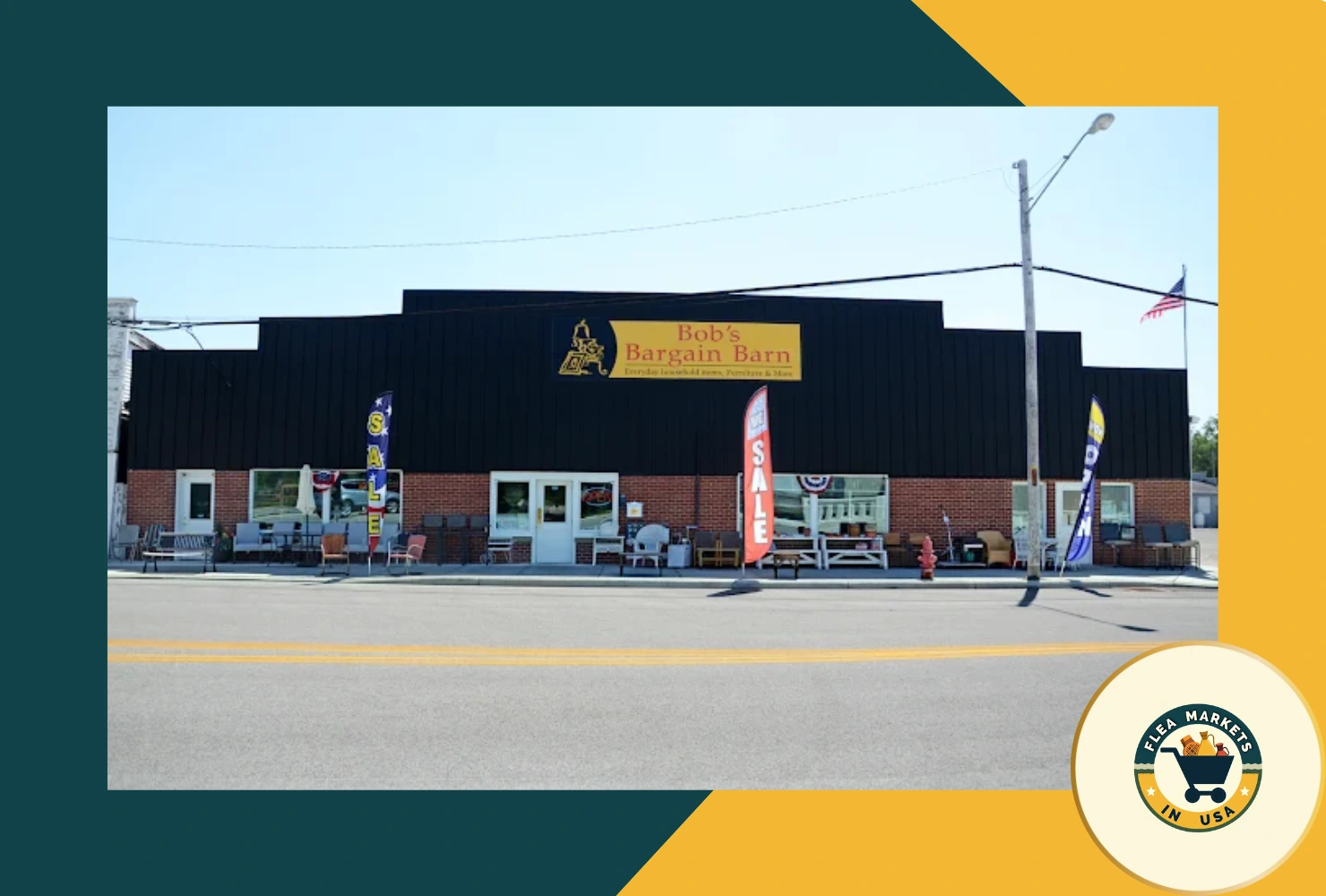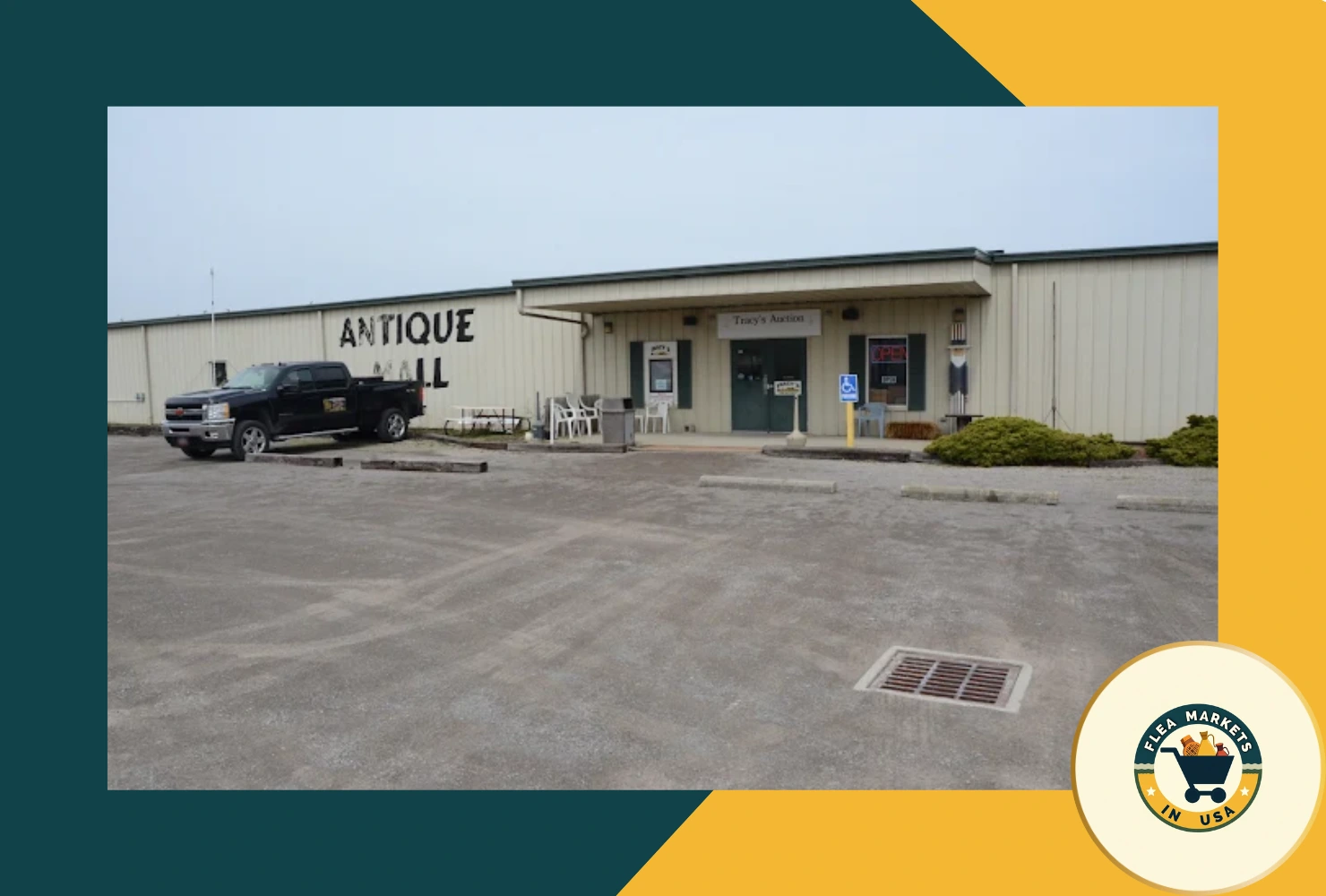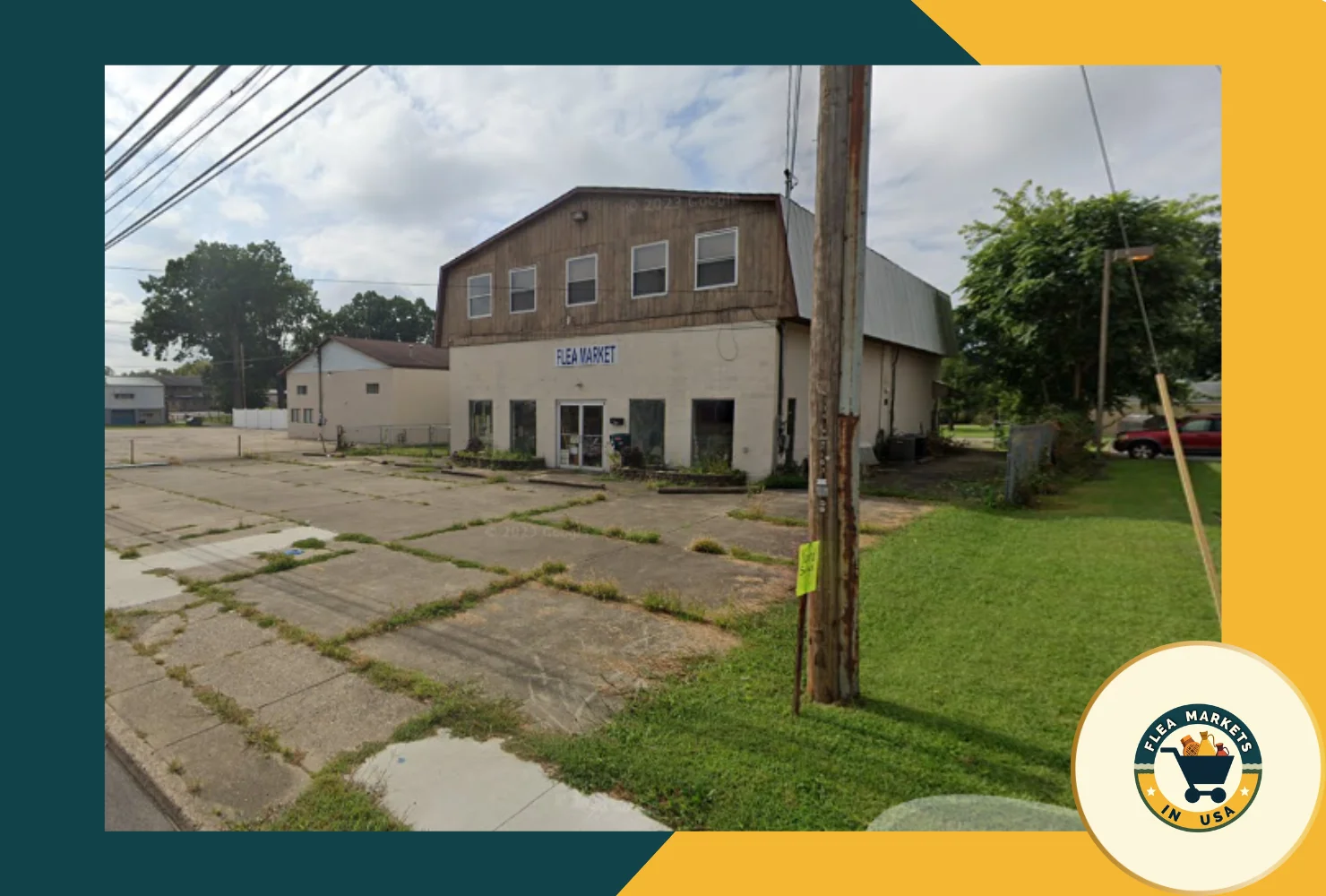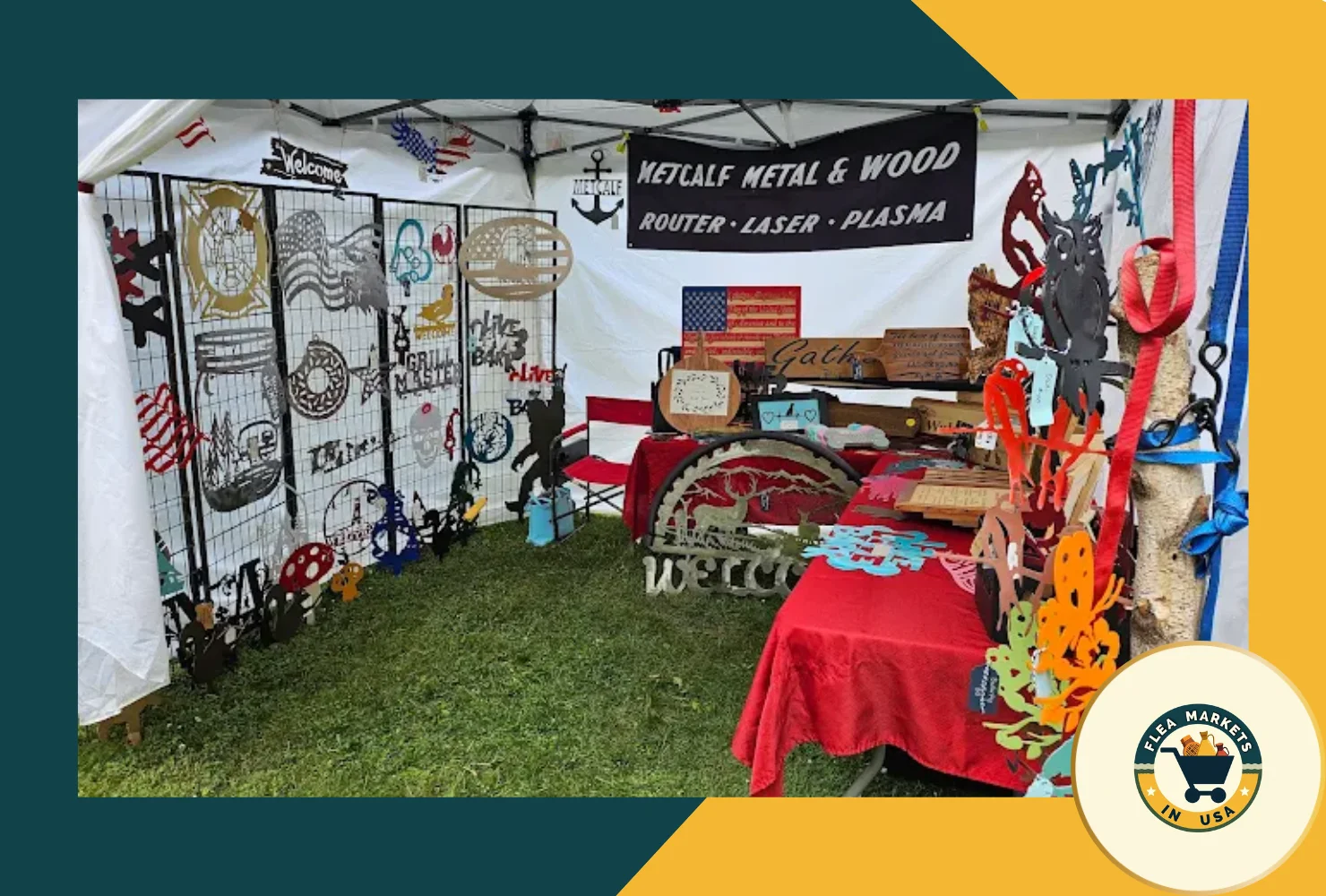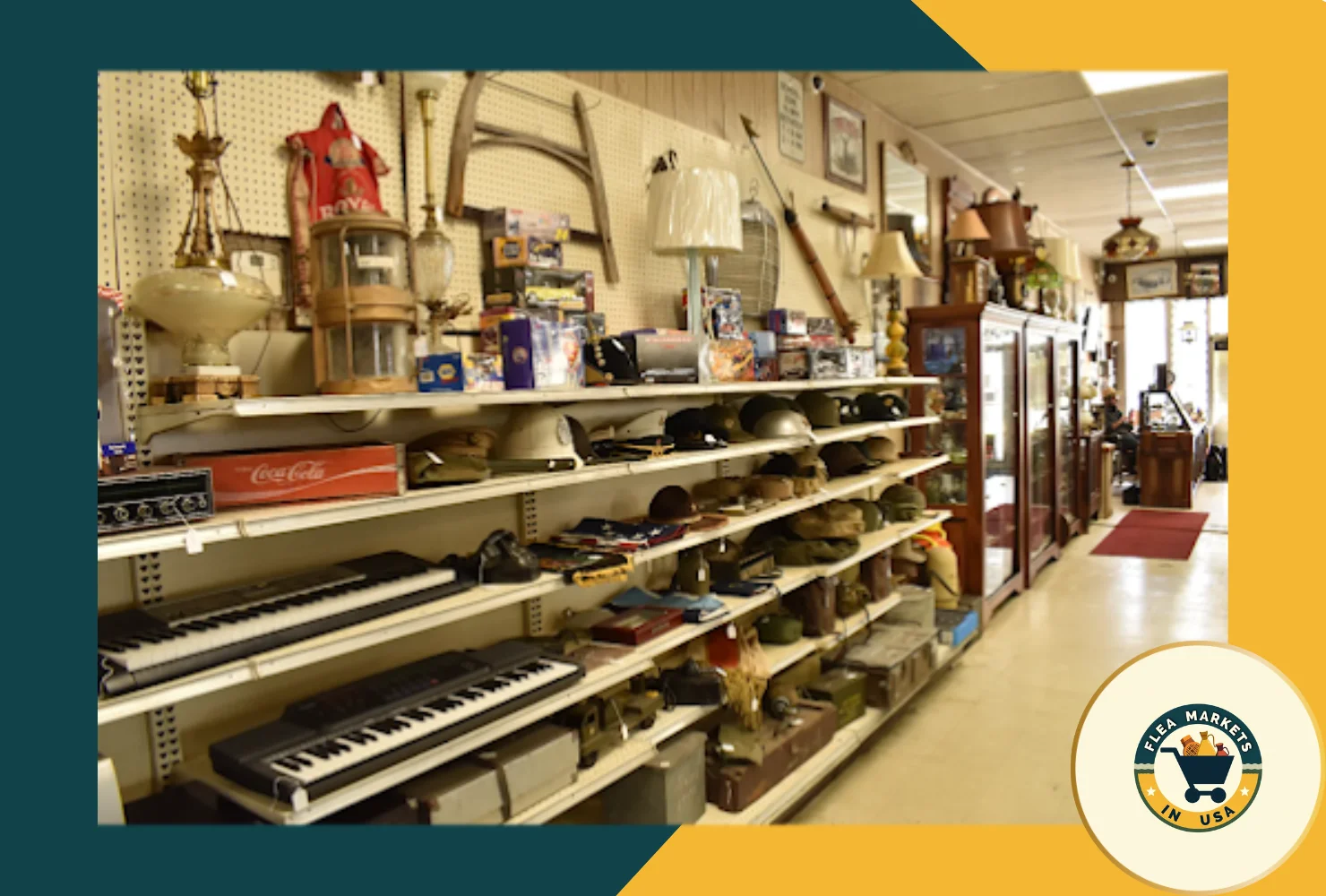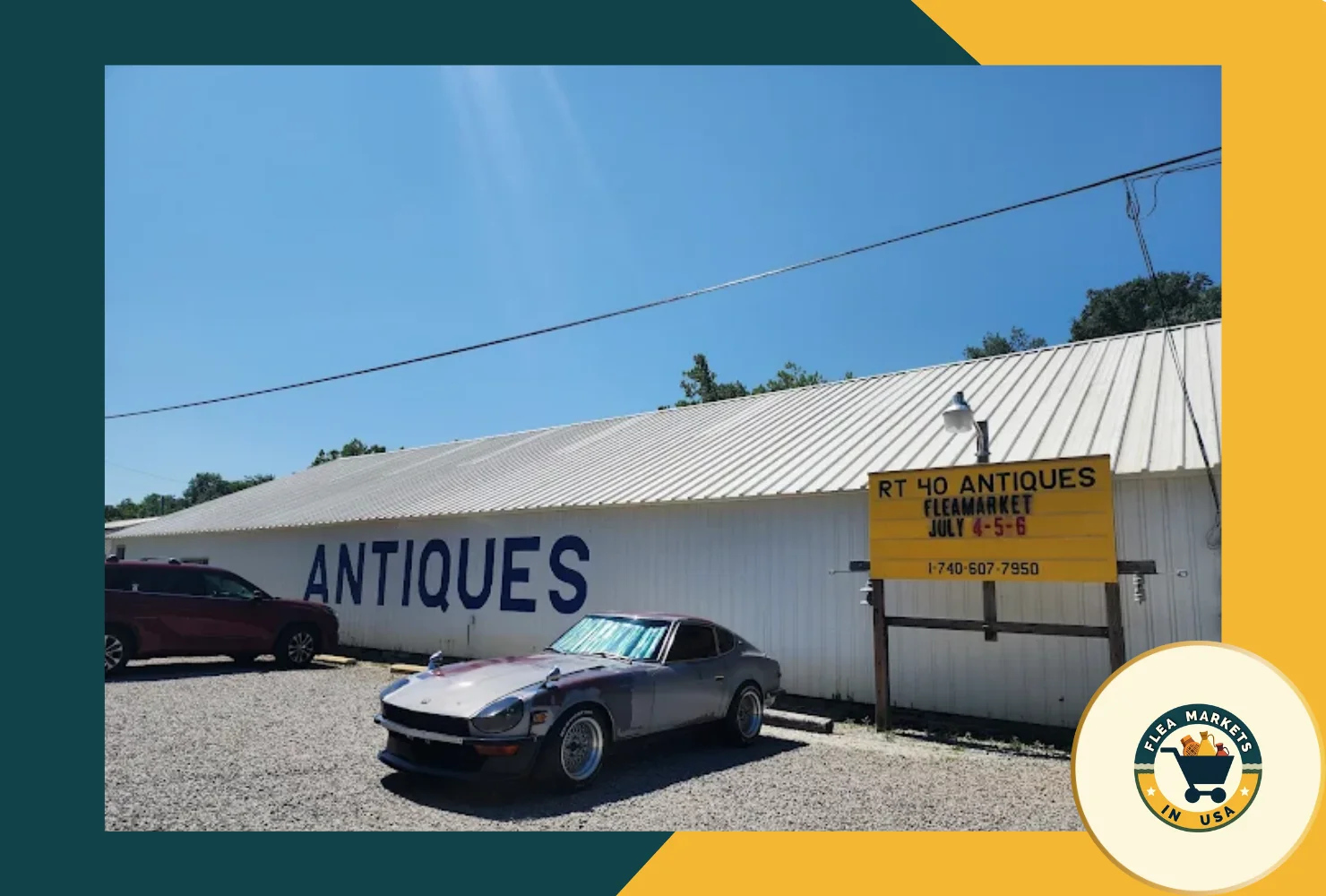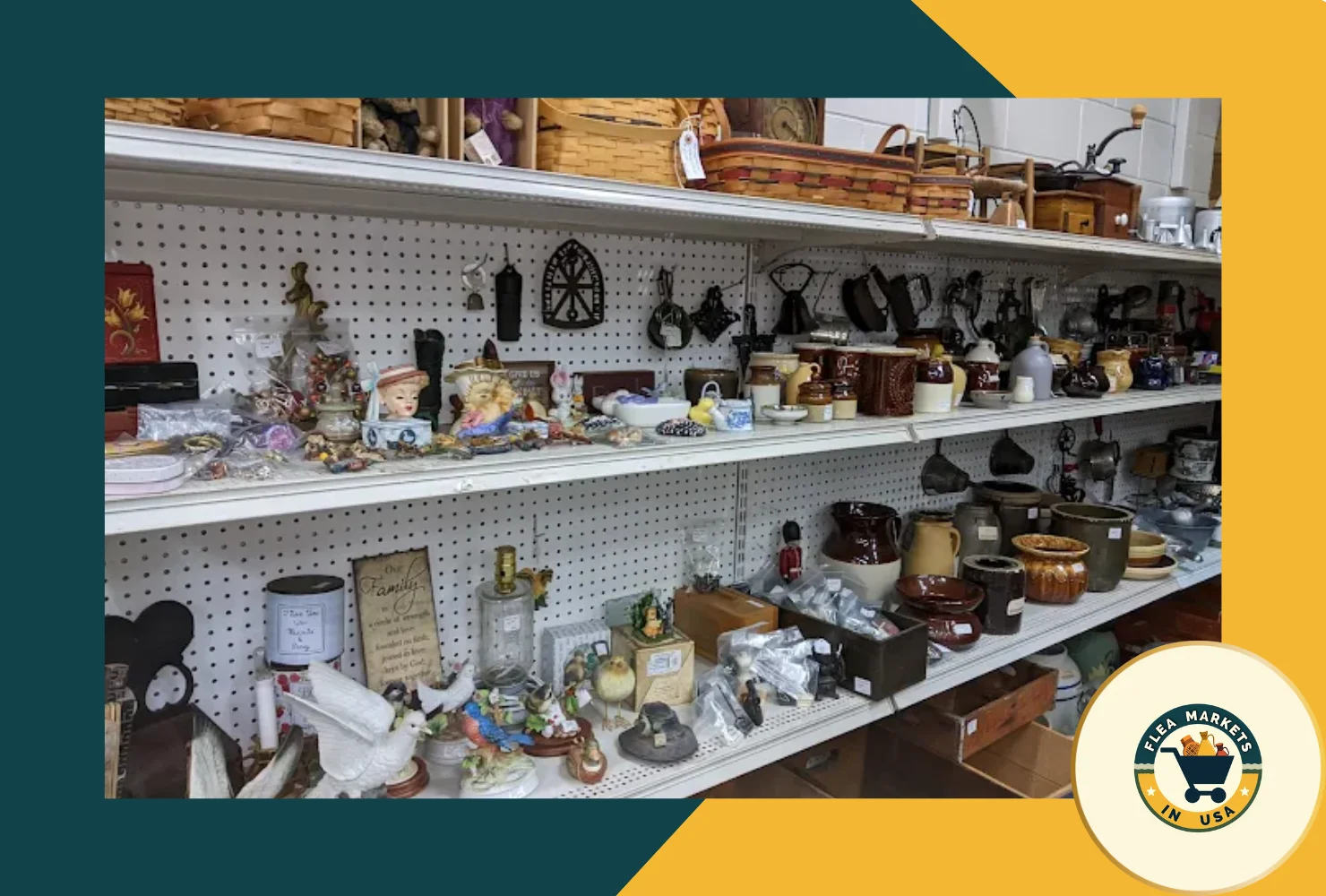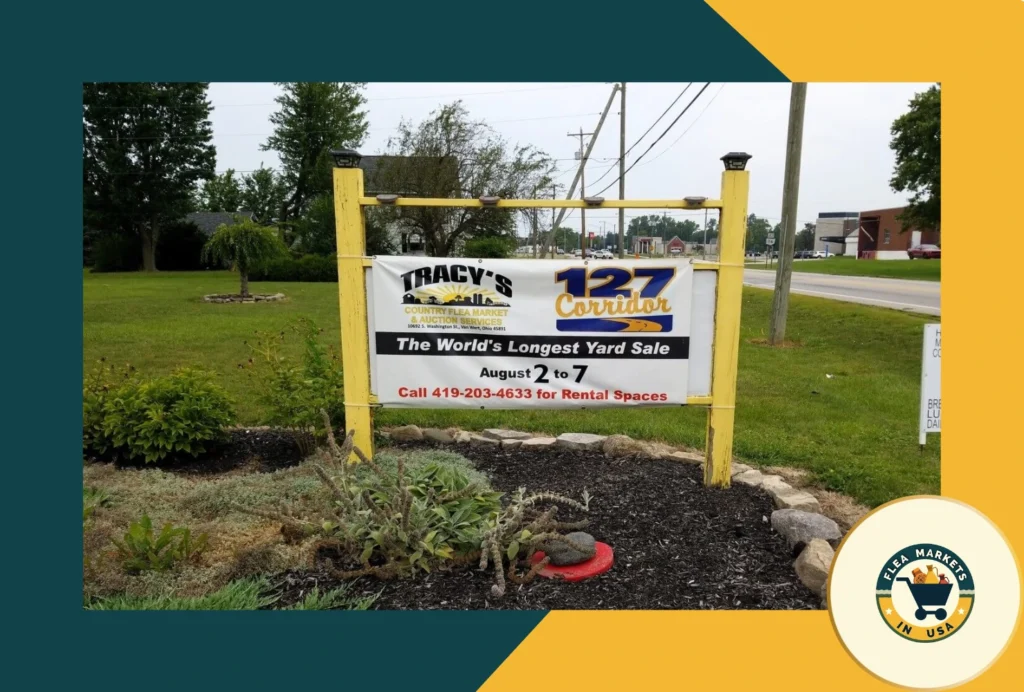
When you think about quintessential small-town experiences in Ohio, the image of a bustling flea market filled with vintage treasures, handcrafted goods, and friendly faces often comes to mind. Visit Tracy’s Country Flea Market for outdoor vintage finds and then check out Bob’s Bargain Barn L.L.C. for more great deals. Tracy’s Country Flea Market, once a beloved fixture on S Washington Street in Van Wert, embodied everything that makes these markets special. Though the market has now closed its doors permanently, its impact on the Van Wert community remains undeniable, and the stories from vendors and regular shoppers continue to inspire nostalgia and appreciation for what made this place unique.
Table of Contents
ToggleWhat Made Tracy’s Country Flea Market the Heart of Van Wert’s Shopping Scene?
Tracy’s Country Flea Market wasn’t just another marketplace; it was a community gathering point where collectors, families, entrepreneurs, and locals converged every weekend. Discover even more across the Markets in Ohio. The market’s enduring appeal stemmed from its authentic character, diverse vendor selection, and the genuine connections fostered between sellers and buyers. Unlike chain retail stores, flea markets like Tracy’s offered personality, history, and the thrill of discovering unexpected treasures.
The Van Wert location was strategically positioned to serve both locals seeking weekend entertainment and travelers passing through Ohio. The market’s free admission and convenient parking made it accessible to everyone, removing barriers that might discourage casual browsing. What shoppers found inside was equally inviting a carefully curated selection of merchandise spanning multiple categories, from nostalgic collectibles to practical household items and locally-sourced goods.
Essential Market Information at a Glance
| Aspect | Details |
|---|---|
| Location | 10692 S Washington St, Van Wert, OH 45891 |
| Status | Permanently Closed |
| Admission | Free Entry |
| Parking | Free, ample parking available |
| Public Transit | Limited; car access recommended |
| Primary Categories | Antiques, Vintage Items, Handcrafted Goods, Local Produce |
| Operating Model | Vendor-based marketplace with rotating stalls |
The Vendor Experience: Who Shaped the Market’s Soul?
The true character of Tracy’s Country Flea Market lay in its vendor community. These weren’t corporate representatives—they were passionate small business owners, artisans, and collectors who poured their hearts into their stalls. Understanding the vendor ecosystem helps explain why the market was so beloved.
Standout Vendors Who Created Market Magic
Honey Hill Apiary distinguished itself by offering genuine, locally-harvested honey products. Operating vendors like this represented the farm-to-market movement before it became mainstream, giving shoppers access to products with authentic provenance and quality assurance that mass-market retailers couldn’t match.
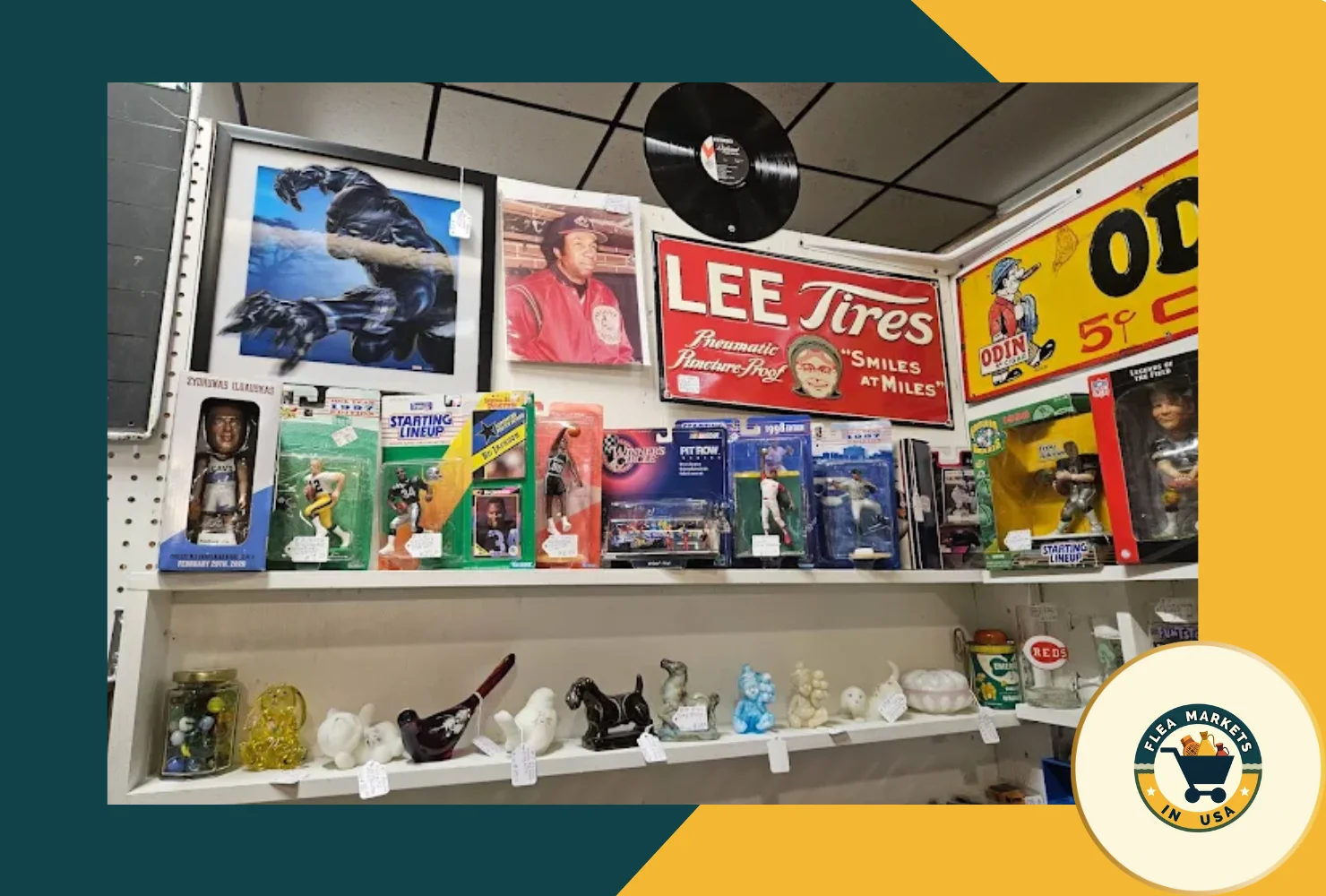
Rick’s Vintage Vinyl Records catered to music enthusiasts and collectors hunting for rare albums, first pressings, and obscure finds. Vinyl culture has experienced a resurgence, and vendors like Rick’s were ahead of the curve, recognizing the enduring value of analog music and the collector community surrounding it.
Country Quilts by Mary showcased the traditional craftsmanship and artistic vision that defines Appalachian and rural Ohio culture. Each quilt represented hours of meticulous work, carrying stories and patterns passed through generations. For many shoppers, purchasing from Mary meant supporting genuine artistry and preserving cultural traditions.
Additional Notable Stalls and Their Offerings
The market extended far beyond these three vendors. Grandma’s Attic Antiques functioned as a curated museum of nostalgia, filled with vintage collectibles that transported visitors to different eras. Whether searching for depression glass, vintage kitchen equipment, or mid-century home décor, this stall offered the thrill of historical discovery combined with practical utility.
Rustic Timber Crafts appealed to customers seeking handcrafted wooden furniture and rustic art. In an age of mass production, these handmade pieces represented quality, individuality, and connection to traditional craftsmanship. Each item carried the maker’s skill and attention to detail.
Fresh Picked Farm Produce brought agricultural authenticity to the market, offering seasonal fruits and vegetables directly from local growers. This stall represented the intersection of commerce and community agriculture, allowing residents direct access to products without intermediary markups.
Visitor Experience: Why People Kept Coming Back
Understanding the visitor experience explains Tracy’s sustained popularity despite competition from online shopping and big-box retailers.
| Visitor Motivations | Experience Elements | Why It Mattered |
|---|---|---|
| Hunt for Antiques | Curated vintage collections | Found unique items unavailable elsewhere |
| Search for Handcrafts | Meet artists and makers | Direct connection to creators |
| Fresh Produce Shopping | Seasonal local goods | Supporting local agriculture |
| Weekend Entertainment | Social atmosphere | Family-friendly outing |
| Collector Community | Specialized vendor stalls | Engaged with others sharing interests |
| Budget Shopping | Discounted merchandise | Affordable luxury and quality finds |
The flea market environment offered something fundamentally different from conventional retail. Visitors weren’t simply transacting they were participating in a cultural experience. The relaxed atmosphere encouraged lingering, browsing, and conversation. Unlike time-pressured shopping trips to big-box stores, the market rewarded patience and exploration.
Accessibility and Logistics: The Practical Side of Market Operations
Tracy’s Country Flea Market succeeded because it removed friction from the shopping experience. Parking infrastructure was thoughtfully designed with plenty of free spaces near vendor areas, accommodating everything from personal vehicles to trucks carrying bulk purchases. The ease of unloading merchandise made the market particularly appealing to serious collectors and renovators shopping for multiple large items.
The free admission model was crucial to accessibility. This decision transformed the market from a destination requiring commitment into a low-stakes browsing opportunity. Families could visit on impulse, students could explore without expense, and elderly residents could enjoy the atmosphere without financial burden.
Location on South Washington Street positioned the market for both foot and vehicular traffic, though the Van Wert area’s limited public transportation meant most visitors arrived by car. This geographic reality reflected rural Ohio’s transportation realities while being manageable given the generous parking provisions.
Lodging Options for Out-of-Town Visitors
For visitors traveling from other regions to experience the market, Van Wert offered several hospitality options:
| Hotel | Characteristics | Best For |
|---|---|---|
| Holiday Inn Express Van Wert | Comfortable rooms, reliable amenities | Travelers seeking brand consistency |
| Super 8 by Wyndham Van Wert | Budget-friendly rates, local location | Cost-conscious visitors |
| Country Inn & Suites by Radisson | Cozy atmosphere, convenient access | Those wanting personality with comfort |
These accommodations enabled the market to serve as a destination experience rather than merely a local resource, attracting collectors and vintage enthusiasts from surrounding states.
The Visual Appeal: Instagram-Worthy Moments and Market Aesthetics
Contemporary flea markets benefit significantly from their visual appeal and social media potential. Tracy’s Country Flea Market possessed abundant photogenic qualities that encouraged sharing and documentation.
Rustic Timber Crafts created naturally photogenic displays with carefully arranged wooden furniture and art pieces. The craftsmanship inherent in each item translated beautifully through photography, generating visual interest without artificial staging.
Grandma’s Attic Antiques offered a treasure trove of nostalgic décor that appealed to influencers and casual Instagram users alike. Vintage items, arranged densely across shelves and tables, created the kind of visually complex, historically rich scenes that perform well on social platforms.
Fresh Picked Farm Produce contributed vibrant color contrasts reds of tomatoes, greens of lettuce, yellows of corn and squash that brightened photographs and conveyed the market’s authenticity and seasonal vitality.
These visual elements weren’t incidental; they were integral to the market’s appeal. In the social media age, markets that photograph well generate word-of-mouth marketing through shared posts, stories, and comments.
Practical Tips for Flea Market Success (Had the Market Remained Open)
Arrive Early for Optimal Selection: The first hours of operation typically offered the broadest selection before popular items sold out. Early arrivals also encountered fewer crowds, allowing more leisurely browsing and vendor interaction.
Bring Cash for Transactions: While some vendors accepted cards, cash payments often expedited transactions and sometimes enabled negotiations on bulk purchases. Having cash meant never missing opportunities due to payment method limitations.
Wear Comfortable Footwear: Market exploration requires substantial walking across outdoor and semi-outdoor spaces. Quality, comfortable shoes prevented foot fatigue that would limit enjoyment and browsing time.
Use Reusable Bags: Carrying capacity directly impacts purchasing ability. Bringing sturdy reusable bags eliminated reliance on vendor-provided bags and enabled carrying larger purchases comfortably.
Engage Vendors in Conversation: Market vendors possessed extensive knowledge about their merchandise, maker communities, and local history. Conversations often yielded discounts, backstories that enriched purchases, and connections to related products or vendors.
Why Flea Markets Matter to Small-Town Economies and Culture
Tracy’s Country Flea Market represented something increasingly rare in contemporary American retail landscapes: a genuinely community-centered marketplace operated by local entrepreneurs and independent sellers.
Flea markets function as economic incubators for small business owners who might lack capital for permanent retail locations. Vendors can test products, build customer bases, and generate revenue with significantly lower overhead than traditional retail. For many, the market stall represented their first entrepreneurial venture or primary income source.
Beyond economics, flea markets preserve local history and culture. They’re repositories of community memory, filled with objects carrying personal and historical significance. When someone purchases their grandmother’s style of quilt from Country Quilts by Mary, they’re not just acquiring merchandise they’re maintaining cultural continuity. When collectors find rare vinyl records at Rick’s stall, they’re participating in music history preservation.
Markets like Tracy’s also counteract retail homogenization. In a commercial landscape increasingly dominated by identical chain stores, flea markets celebrate individuality, diversity, and local distinctiveness. They remind communities what authentic commerce looked like before standardization.
The Legacy: Where Vendors and Community Members Have Gone
Though Tracy’s Country Flea Market has permanently closed, its vendors didn’t disappear they dispersed throughout Van Wert’s commercial ecosystem. Many relocated to nearby flea markets, shifted to independent sales channels, or established online presences. This transition illustrates the resilience of small business operators and the continuing demand for the merchandise and services these vendors provided.
The closure itself reflects broader retail trends affecting flea markets nationwide. E-commerce competition, changing consumer preferences, shifting demographics, and pandemic-related disruptions have pressured traditional marketplaces. Yet the vendors’ continued operation elsewhere demonstrates that the market for authentic, handcrafted, and locally-sourced goods remains robust.
Discovering Similar Markets and Experiences in Ohio
While Tracy’s Country Flea Market is no longer operating, Van Wert residents and visitors seeking similar experiences can explore other markets throughout Ohio. The state maintains a strong flea market culture with numerous venues offering comparable vendor diversity, atmospheric charm, and community engagement.
Regional alternatives provide opportunities to experience the same vendor energy, browsing culture, and community connection that characterized Tracy’s. Many former Tracy’s customers have found new regular markets where they maintain relationships with vendors who relocated or follow their favorite collectors’ current locations.
Frequently Asked Questions About Tracy’s Country Flea Market
Is Tracy’s Country Flea Market currently operating?
No, the market is permanently closed and no longer accepting vendors or hosting customers.
Where was Tracy’s Country Flea Market located exactly?
The market occupied 10692 S Washington St, Van Wert, OH 45891, on the south side of Van Wert near major traffic corridors.
What types of merchandise were available at the market?
Vendors offered antiques, vintage collectibles, handcrafted items, locally-produced goods, seasonal produce, vinyl records, quilts, honey, wooden furniture, and numerous other categories.
Did Tracy’s Country Flea Market charge admission fees?
No, entry to the market was completely free, making it accessible to budget-conscious shoppers and casual browsers.
Were food vendors present at the market besides Fresh Picked Farm Produce?
Yes, several small food vendors operated stalls selling snacks, baked goods, beverages, and locally-prepared food items complementing the marketplace experience.
Are any of the original vendors from Tracy’s still operating businesses in Van Wert?
Yes, many vendors relocated to other flea markets in the region or established independent operations, continuing to serve the Van Wert community through alternative channels.
How much parking was available and was there a parking fee?
The market provided ample free parking with convenient access near vendor stalls, with enough space to accommodate bulk purchases and family vehicles.
What made Tracy’s Country Flea Market different from typical retail stores?
The market emphasized authentic community connection, vendor personality, unique merchandise unavailable elsewhere, lower prices, and a gathering-place atmosphere rather than transactional efficiency.
Can I still find vendors who previously operated at Tracy’s Market?
Many have relocated to nearby Ohio flea markets or established online presences, though their availability and locations vary seasonally.
Why did Tracy’s Country Flea Market close permanently?
Like many traditional flea markets, it faced pressures from e-commerce competition, changing retail patterns, and market consolidation trends affecting small vendor-based operations nationwide.
Reflecting on What Markets Like Tracy’s Represent
Tracy’s Country Flea Market’s closure reminds us of the importance of supporting local commerce and community gathering spaces. Flea markets served functions beyond commerce they were social infrastructure, cultural preservation spaces, and economic opportunity platforms for small entrepreneurs.
The memories created at Tracy’s, the connections formed between vendors and shoppers, and the merchandise that found new homes through market transactions represent valuable community wealth that statistics rarely capture. The market contributed to Van Wert’s identity, character, and quality of life in ways that extend beyond typical economic metrics.
For those who experienced Tracy’s Country Flea Market, the closure represents a loss tempered by gratitude for the years of authentic community commerce it facilitated. The vendors’ continued operation elsewhere and customers’ ongoing relationships with these small business owners demonstrate that the community spirit the market fostered transcends its physical location.
Conclusion: Honoring the Market’s Memory
Tracy’s Country Flea Market in Van Wert, Ohio may no longer welcome shoppers through its gates, but its legacy endures in the memories of thousands who browsed its stalls, supported its vendors, and experienced the unique value of authentic marketplace culture. From Honey Hill Apiary’s local honey to Country Quilts by Mary’s handcrafted textiles, from Rick’s Vintage Vinyl Records to Rustic Timber Crafts’ wooden treasures, the market represented the best of community commerce.
While chain retailers and online platforms continue reshaping the retail landscape, the fondness with which former visitors recall Tracy’s reminds us that consumers value authenticity, personality, and human connection alongside price and convenience. The market’s closure is sad, but the vendors’ continued success and the community’s enduring appreciation for what they offered suggests that the spirit of local entrepreneurship remains alive in Van Wert.
For anyone seeking to understand what made small-town American marketplaces special, or for those nostalgic about community gathering places, Tracy’s Country Flea Market exemplifies the qualities worth preserving and celebrating.