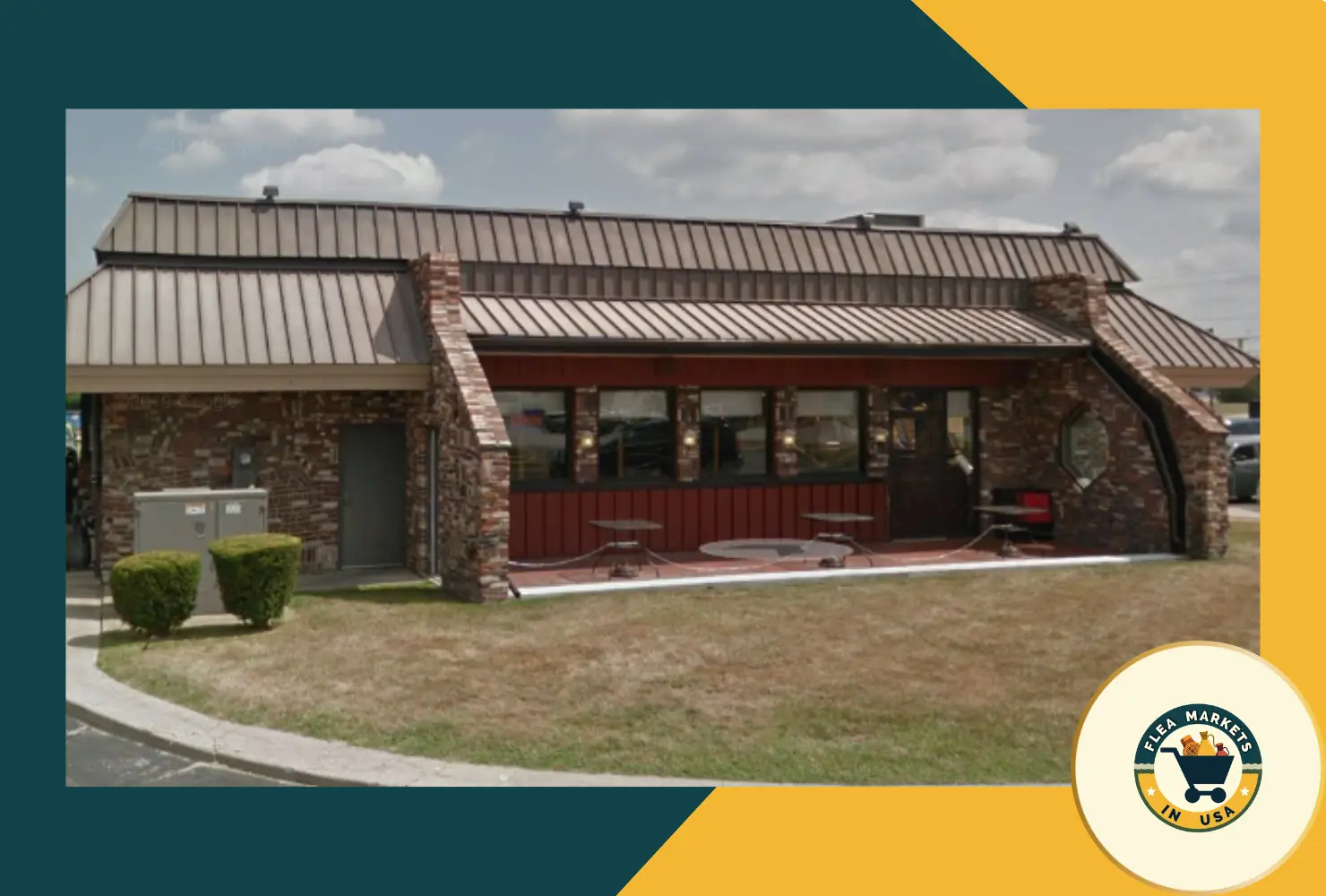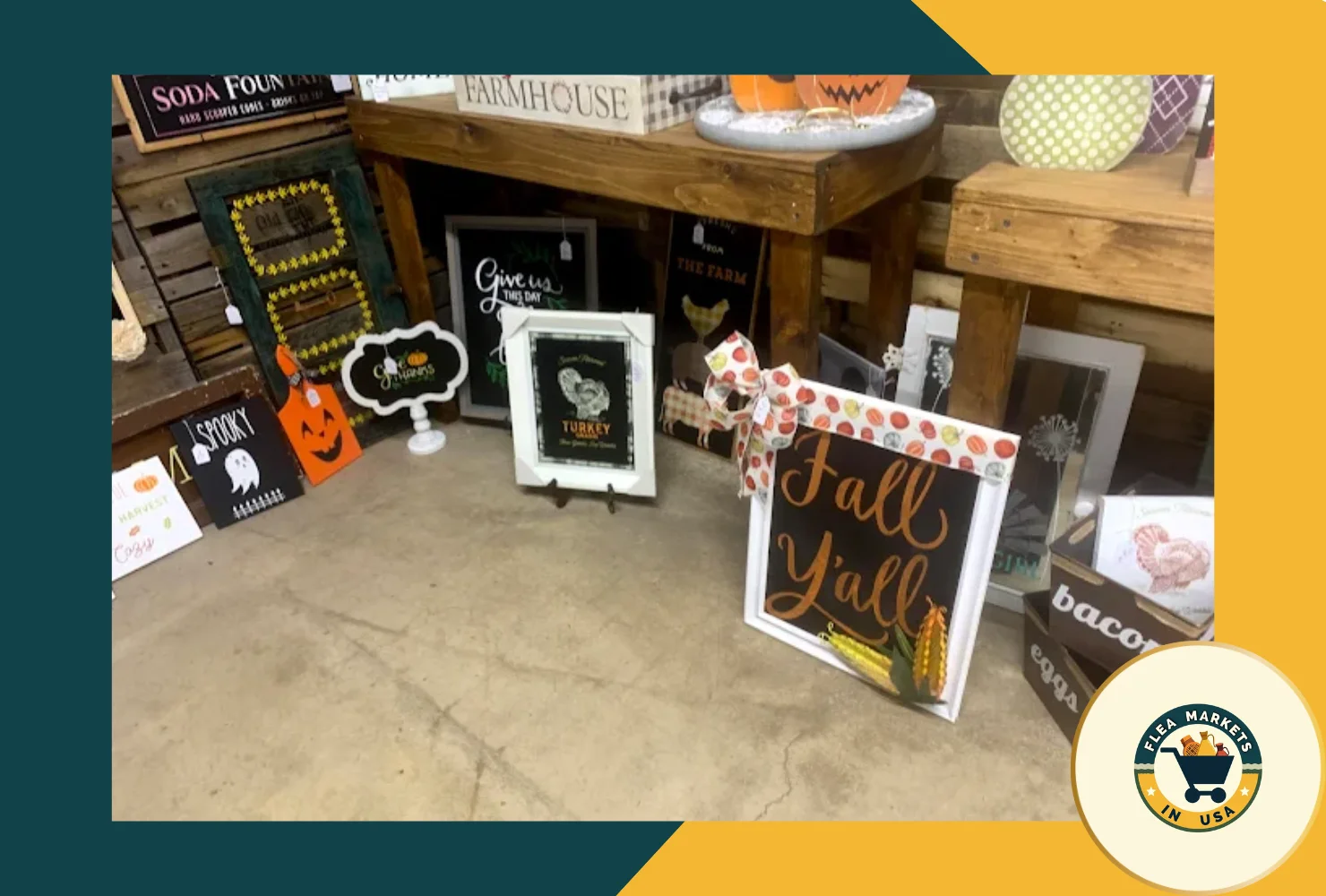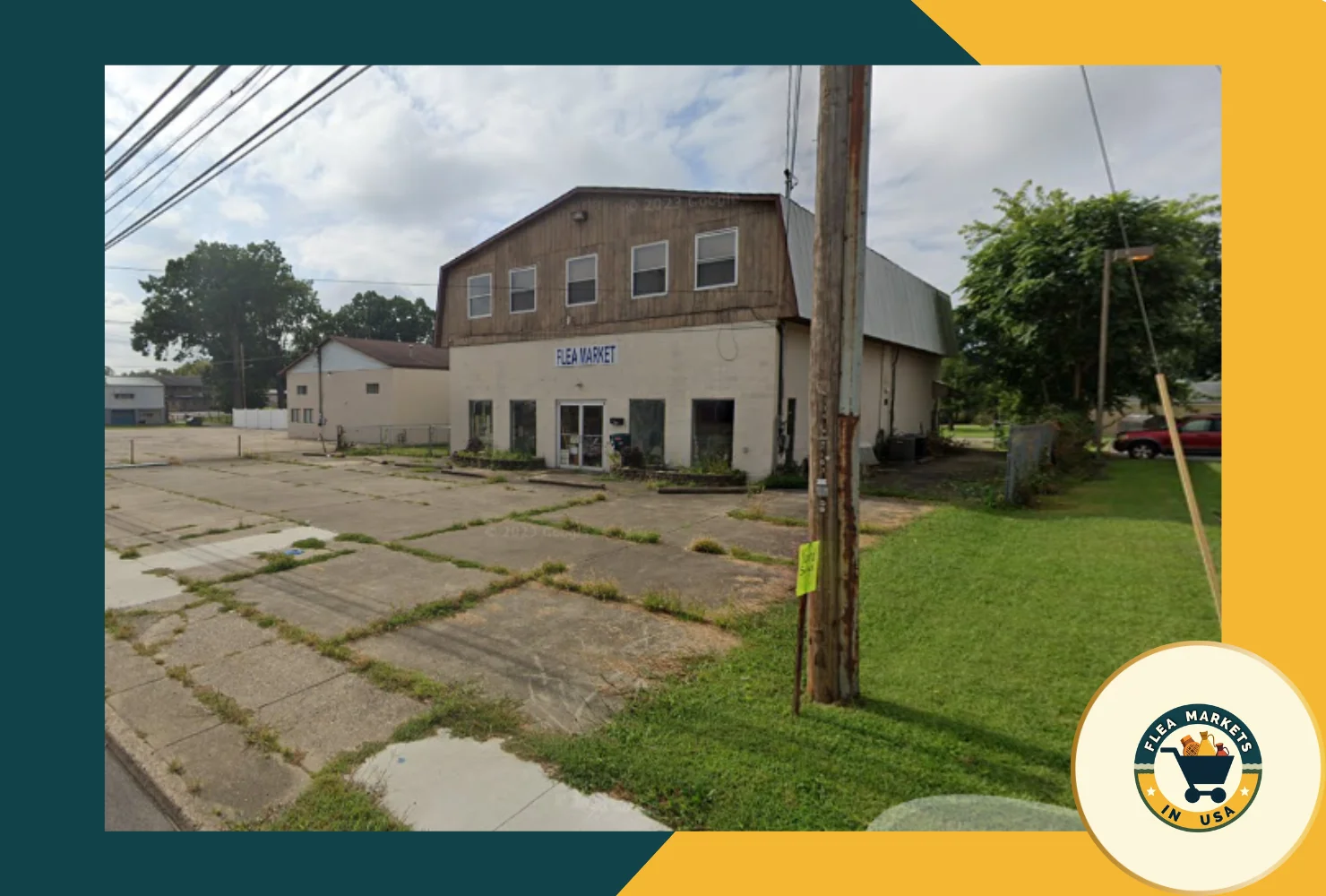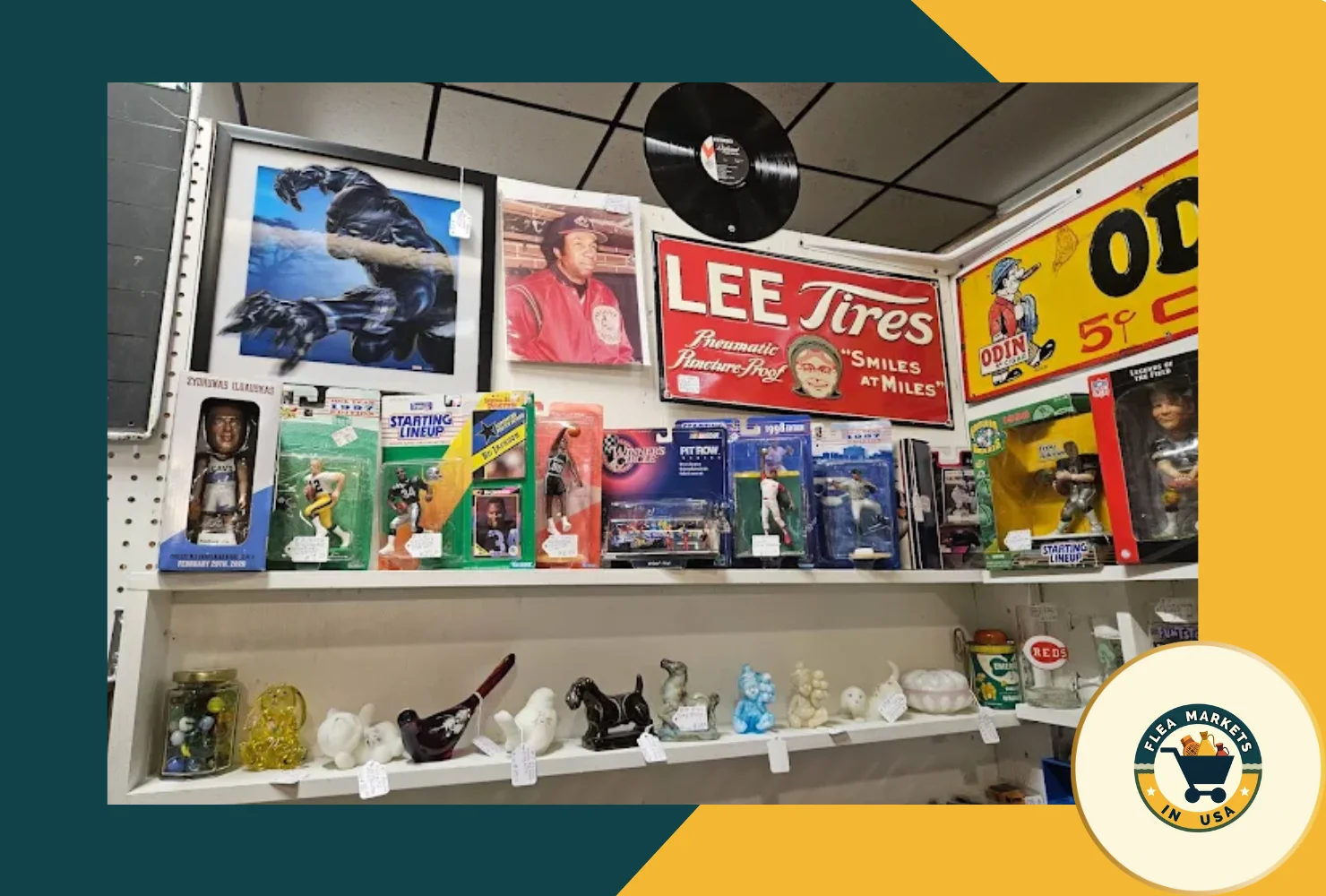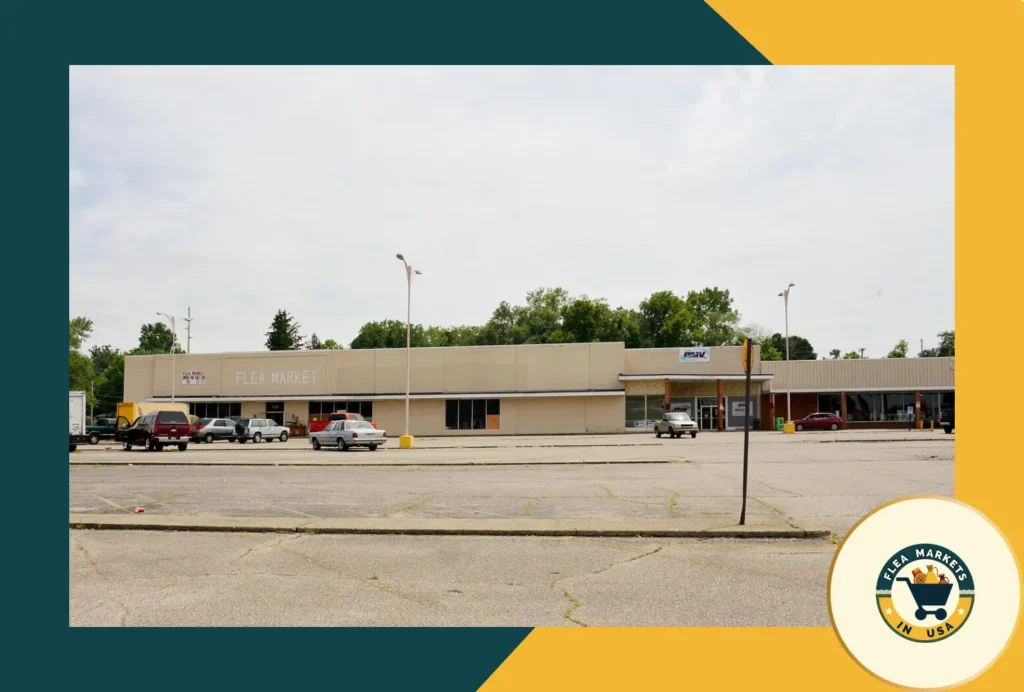
Crazy Joe’s Flea Market stood as more than just a marketplace in Springfield, Ohio. When exploring here, stop by Heart of Ohio Antique Center and Norwich Flea Market. For years, it served as the beating heart of the community, a place where strangers became friends, collectors found their holy grails, and families created weekend traditions that would last a lifetime. Located at 1229 Sunset Ave, Springfield, OH 45505, this beloved institution represented everything that makes local shopping experiences irreplaceable in an era of online retail dominance.
The market’s closure left a noticeable gap in Springfield’s cultural landscape, yet the memories and stories from vendors and visitors continue to resonate. Understanding what made Crazy Joe’s special requires exploring not just what was sold there, but the ecosystem of community connection that thrived within its open-air layout.
Table of Contents
ToggleThe Heart of Springfield’s Marketplace Culture
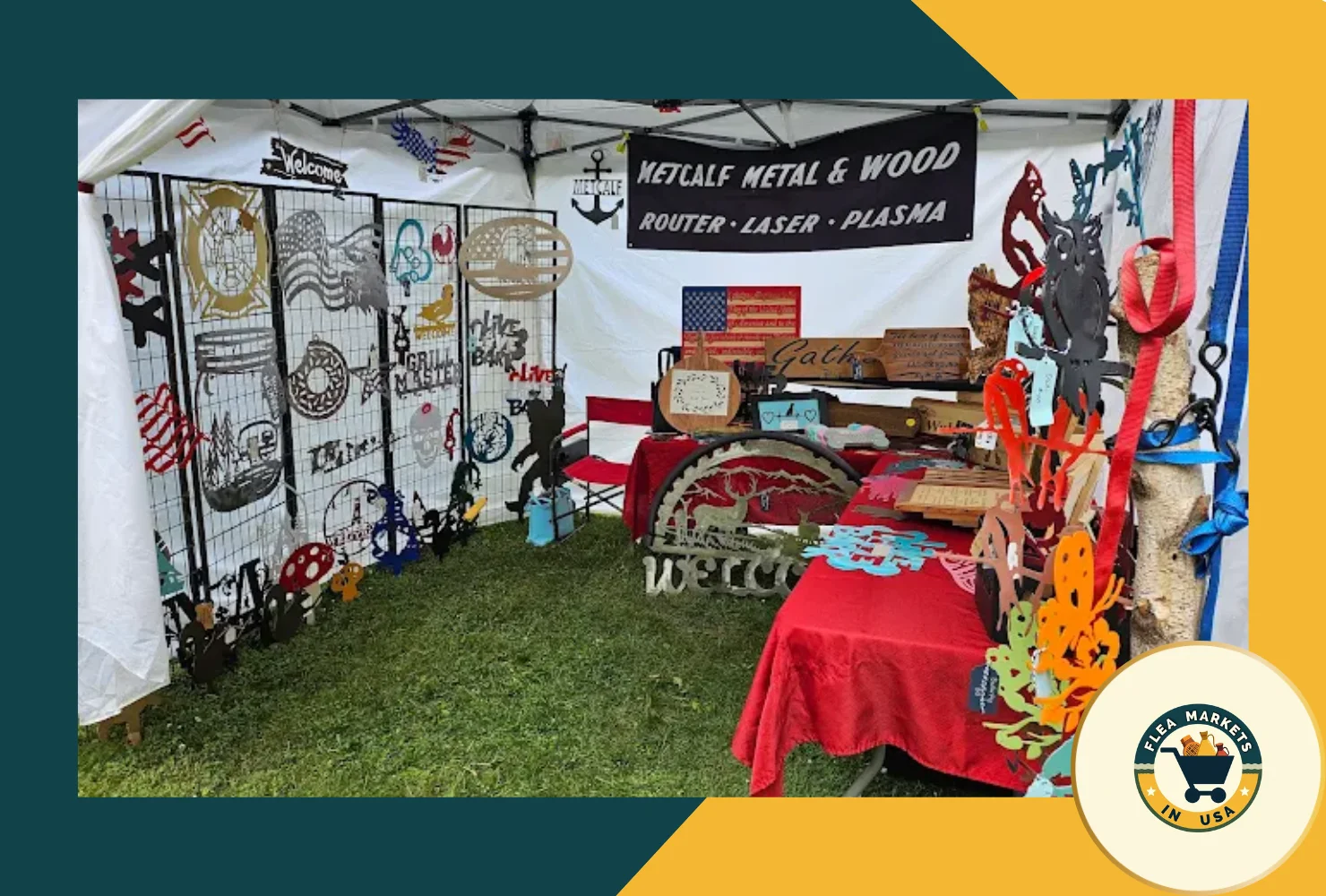
Crazy Joe’s Flea Market wasn’t merely a collection of vendor stalls; it was a reflection of Springfield’s diverse interests and entrepreneurial spirit. The market attracted a fascinating cross-section of the community: serious antique collectors willing to arrive at dawn to scout rare finds, families looking for affordable household items, artists supporting fellow creatives, and food enthusiasts seeking locally-sourced produce. Discover more at Ohio Flea Markets.
What distinguished Crazy Joe’s from typical retail establishments was its organic growth. Rather than corporate chain management dictating vendor selection, the market evolved based on genuine community demand. This organic approach meant the vendor mix constantly shifted, keeping the experience fresh for regular visitors while always maintaining that unpredictable treasure-hunt element that defines flea market culture.
The market’s accessibility played a crucial role in its popularity. Located conveniently on Sunset Avenue with ample free parking and no admission fees, Crazy Joe’s welcomed everyone from serious collectors to casual browsers. This democratic approach to shopping created an inclusive atmosphere where economic status didn’t determine whether someone could participate in the market experience.
Vendor Ecosystem: The Creative Backbone
The vendors at Crazy Joe’s represented the true soul of the operation. These weren’t faceless corporate representatives but passionate individuals with deep connections to their wares and the Springfield community. Understanding the vendor landscape reveals why the market maintained such devoted regulars.
| Vendor Name | Specialty | Notable Characteristics | Customer Draw |
|---|---|---|---|
| Springfield Pottery | Handmade Ceramics | Locally-crafted pieces, quick sell-outs | Art collectors, home décor enthusiasts |
| Handmade Hope Jewelry | Artisan Jewelry | Delicate craftsmanship, local designers | Gift shoppers, special occasion buyers |
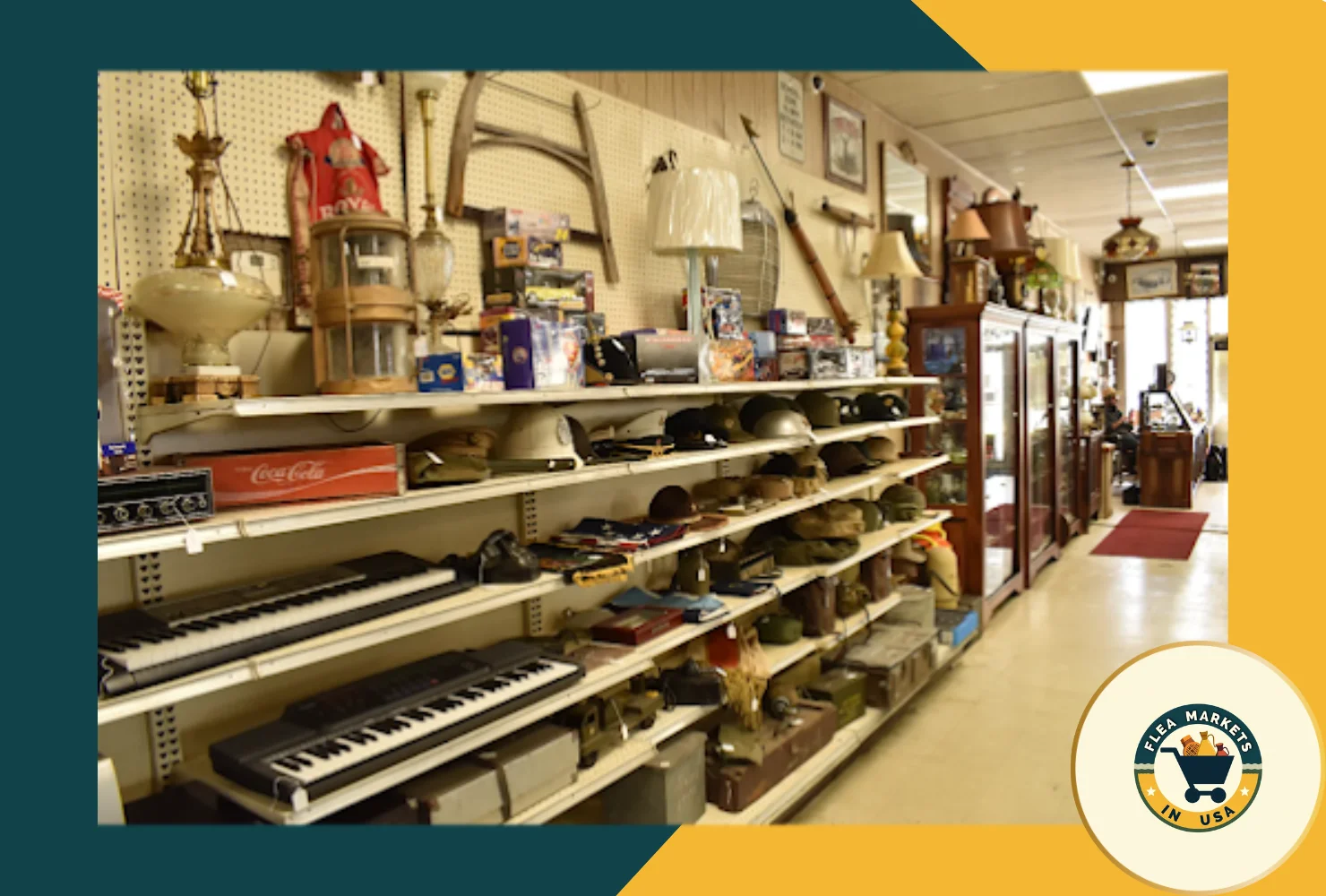
| Vintage Vault | Antiques & Collectibles | Rare finds, retro furniture, memorabilia | Serious collectors, nostalgia seekers |
| Springfield Fresh Produce | Local Vegetables & Fruits | Farm-sourced, seasonal variety | Health-conscious families, foodies |
| Crafts & More | Handmade Gifts | Local artisan pieces, unique art | Gift buyers, art supporters |
Each vendor brought distinct energy to their stall, creating micro-communities within the larger marketplace. Springfield Pottery’s booth became a gathering place for ceramics enthusiasts discussing glaze techniques and firing methods. The Vintage Vault attracted a loyal following of collectors who would spend hours examining memorabilia, each piece sparking conversations about historical periods and personal memories.
Visitor Experience: From Arrival to Discovery
The experience of visiting Crazy Joe’s followed a distinct rhythm that became ritualistic for regulars. Understanding this journey reveals why the market left such a lasting impression.
Early Morning Energy: The most dedicated visitors arrived within the first hour of opening, armed with coffee and strategic shopping lists. Early birds understood that the rarest antiques and most sought-after vendor items sold quickly. The morning light casting long shadows across the parking lot created an almost magical atmosphere, a quiet before the storm that regular visitors deeply cherished.
Mid-Morning Momentum: As more shoppers arrived, the energy shifted. Families with children explored together, vendors engaged in friendly banter, and the collective buzz of commerce and conversation created an electric atmosphere. This was when the market felt most alive, with every aisle populated and every conversation carrying possibility.
Afternoon Rhythm: By afternoon, serious bargaining often intensified. Vendors became more willing to negotiate, and shoppers who had been browsing for hours finally made decisions about their most coveted finds. The afternoon crowd typically consisted of those on weekend outings without strict schedules, contributing to a more relaxed, social vibe.
Logistics and Visitor Amenities
Beyond the shopping itself, Crazy Joe’s excelled at creating practical infrastructure that enhanced the experience:
| Amenity | Details | Benefit |
|---|---|---|
| Parking | Free on-site lot with ample spaces | Stress-free arrival, extended visit duration |
| Public Transportation | Multiple local bus lines nearby | Accessibility for non-drivers, area residents |
| Entry Fee | Completely free admission | Low barrier to casual browsing |
| Layout | Open-air with weather protection areas | Comfortable year-round visiting |
| Restroom Facilities | Clean, accessible facilities | Extended browsing capability |
| Food Vendors | Various refreshment options | Full-day visit sustainability |
This attention to visitor logistics often went unnoticed by casual shoppers but represented deliberate planning that allowed people to spend entire days at the market without frustration. The free parking alone distinguished Crazy Joe’s from many urban flea markets that charged premium rates or offered limited spaces.
Nearby Accommodations for Destination Visitors
Many people traveled to Springfield specifically to visit Crazy Joe’s, making overnight stays part of the experience. Several hotels catered to market-goers:
Comfort Suites Springfield provided budget-friendly accommodations with complimentary breakfast, perfect for market tourists who wanted to maximize their shopping time. The early morning breakfast buffet enabled guests to fuel up before arriving at the market’s opening.
Holiday Inn Express Springfield attracted visitors seeking modern amenities with familiar service standards. Its convenient downtown location meant that visitors staying there could easily reach the market while also exploring Springfield’s other attractions.
Fairfield Inn & Suites by Marriott offered comfortable rooms and excellent parking crucial amenities for travelers arriving with their own vehicles who planned to make significant purchases.
These accommodations transformed Crazy Joe’s from a local shopping destination into a regional attraction that drew visitors from across Ohio and neighboring states.
The Photography Phenomenon
The market’s aesthetic appeal created an unexpected social media dimension. Long before Instagram dominated travel and shopping trends, Crazy Joe’s possessed inherent visual appeal that made it naturally photogenic.
The colorful arrangements of fresh produce at Springfield Fresh Produce created vibrant compositions that practically begged to be documented. Vintage Vault’s carefully arranged displays of retro signs, aged furniture, and nostalgic memorabilia provided endless backgrounds for photographs. The natural lighting of the open-air setting made every corner photograph-worthy without requiring professional equipment or editing.
Visitors discovered that photos from Crazy Joe’s possessed authentic charm that reflected genuine community commerce rather than manufactured retail experiences. These images, shared with friends and family, became marketing tools that attracted new visitors organically. The market’s visual appeal created a virtuous cycle where its authentic character naturally attracted documentation and sharing.
First-Time Visitor Guide: Maximizing the Experience
For those unfamiliar with flea market culture, Crazy Joe’s welcomed newcomers with patience and opportunity. Several practices distinguished successful visits from disappointing ones.
Arrive Early: The earliest visitors gained multiple advantages. They encountered vendors setting up and were often first to examine newly arrived inventory. Popular items hadn’t yet been claimed by other shoppers, and vendors maintained fresher stock throughout the morning.
Bring Cash: While many vendors accepted cards, cash remained the preferred currency. Transactions moved faster, and vendors occasionally offered small discounts for cash payment, reflecting their reduced processing costs.
Wear Comfortable Footwear: The market’s size meant serious shoppers could easily walk several miles while exploring every aisle. Comfortable shoes transformed the experience from exhausting to enjoyable.
Engage Vendors in Conversation: Behind every item sat a story. Vendors possessed deep knowledge about their merchandise, whether discussing the era of vintage furniture, the technique behind handmade pottery, or the farm origins of produce. These conversations enriched purchases with meaning beyond monetary value.
Plan for Full-Day Exploration: Most visitors discovered that their initial time estimates significantly underestimated the actual exploration time needed. A “quick visit” frequently extended to three or four hours as shoppers discovered unexpected treasures in sections they hadn’t anticipated exploring.
The Community Impact Beyond Commerce
Crazy Joe’s significance extended far beyond commercial transactions. The market functioned as a social infrastructure that served multiple community functions simultaneously.
For artisans and craftspeople, the market provided a low-barrier pathway to selling their creations. Handmade Hope Jewelry’s designer didn’t need to navigate complex retail agreements or corporate distribution networks. Instead, they could directly connect with customers who appreciated their work, receive immediate feedback, and adjust their craft based on real market response.
For elderly residents, the market offered affordable shopping, social connection, and purpose. Senior citizens who sold antiques or vintage items at Crazy Joe’s maintained active engagement with the community while generating supplementary income.
For young families, the market provided weekend activities that cost nothing to enter, offered educational experiences about local artisans, and created memories within a supportive community environment.
For serious collectors, the market represented a legitimate hunting ground where persistence and knowledge could yield extraordinary finds at fair prices. The thrill of discovering rare items among everyday goods created an addictive appeal that drew collectors back repeatedly.
Seasonal Rhythms and Special Events
Like agricultural markets in rural areas, Crazy Joe’s operated according to seasonal patterns that reflected both weather and community calendars.
Spring brought renewal energy as vendors refreshed inventory after winter. The season’s longer daylight hours enabled extended browsing, and pleasant weather attracted families who had sheltered indoors during colder months. Spring also coincided with gardening interest, making the produce vendors particularly popular.
Summer represented peak season. School vacations meant family visits increased, visitors traveling for tourism passed through Springfield, and the warm weather made outdoor market browsing inherently appealing. Many vendors expanded their offerings during summer, knowing demand justified larger inventory investments.
Fall brought the collectors back in serious numbers. Autumn’s comfortable temperatures and cultural associations with markets created a season where serious treasure hunting peaked. Special antiques and vintage items seemed to materialize as people cleaned homes before winter and decided to liquidate collections.
Winter presented challenges but also opportunities. Holiday shopping drove certain vendor categories—gifts and handmade items thrived—while fewer casual browsers visited. However, dedicated collectors and gift-oriented shoppers appeared regularly during winter months, creating a smaller but more intentional visitor base.
The Broader Significance of Local Flea Markets
Crazy Joe’s represented something increasingly rare in American commerce: the direct transaction between maker and consumer, undisturbed by corporate intermediaries. In an economy increasingly dominated by online retail and corporate chains, local flea markets served as counter-cultural spaces where different economic relationships remained possible.
These markets preserved authentic price discovery. Rather than algorithms determining prices, vendors and customers negotiated value based on direct interaction. This human element in commerce represented economic activity in its most fundamental form—two parties exchanging value based on genuine need and supply.
Flea markets also preserved craft knowledge and artisanal production at a time when manufacturing concentrated increasingly in distant locations. Springfield Pottery maintained traditional ceramic techniques not for museum preservation but for active commercial application. Handmade Hope Jewelry kept jewelry-making traditions alive as living practices rather than historical artifacts.
The market’s existence proved that consumers actively sought alternatives to standardized retail experiences. The willingness of visitors to spend hours browsing, the organic growth of vendor communities, and the emotional attachment to the marketplace demonstrated authentic demand for this commercial model. Corporate retail analysis often dismisses such spaces as inefficient, yet their popularity suggested they fulfilled genuine human needs that efficiency-focused retail couldn’t address.
Remembering Crazy Joe’s Legacy
The permanent closure of Crazy Joe’s Flea Market represented a genuine loss for Springfield and the broader regional community. Yet the market’s impact persisted through the memories, practices, and community relationships it had nurtured.
Former vendors continued creating their crafts, though through altered channels. Springfield Pottery sold through online platforms and craft fairs, maintaining production but losing the direct community connection that made Crazy Joe’s special. Customers sought alternative markets, though none perfectly replicated the experience of Crazy Joe’s unique vendor mix and community atmosphere.
The market’s closure reflected broader economic trends rising rents, changing shopping patterns, and corporate retail competition—that threatened community-based commercial spaces across America. Yet it also reflected the market’s tremendous success in creating something genuinely valuable, which made its loss genuinely painful to those who had experienced it.
Frequently Asked Questions
What made Crazy Joe’s different from other flea markets in Ohio?
Crazy Joe’s combined handmade artisan goods, fresh local produce, and vintage antiques in one location, creating a unique vendor ecosystem that reflected Springfield’s specific community interests and supported local creators.
Could visitors spend an entire day at the market?
Absolutely—the combination of diverse vendor stalls, food options, comfortable facilities, and the inherent entertainment of flea market browsing typically kept visitors engaged for 3-5 hours on average visits.
Did the market accept credit cards or only cash?
Most vendors accepted both cash and cards, though many offered small discounts for cash transactions given their reduced processing costs.
How far in advance did vendors need to book their stalls?
Information about vendor application processes wasn’t widely publicized, but the organic growth of the vendor mix suggested flexible policies that welcomed both regular vendors and new applicants.
Were pets allowed at the market?
While specific pet policies weren’t documented, the open-air layout and vendor-friendly atmosphere suggested that well-behaved pets were generally welcome at the discretion of vendors.
Did the market operate year-round?
Yes, Crazy Joe’s operated consistently throughout the year, though seasonal patterns influenced the vendor mix and visitor volume, with peak activity during spring through fall.
What happened to inventory when the market closed?
Vendors individually managed their remaining inventory some transitioned to online sales, others to alternative markets, and many pursued different business directions entirely.
How much did parking cost at the market?
Parking was completely free and provided on-site, representing a significant amenity that made the market accessible to all visitors regardless of income level.
Were special events held at the market beyond regular operations?
While specific events weren’t extensively documented, the community engagement and seasonal rhythms suggest the market likely hosted special occasions and promotions throughout its operational history.
Can visitors find similar experiences to Crazy Joe’s in Springfield today?
The Heart of Ohio Antique Center and Norwich Flea Market serve Springfield’s vintage and antiques shopping interests, though they don’t completely replicate the unique vendor ecosystem and community atmosphere that Crazy Joe’s provided.
Conclusion
Crazy Joe’s Flea Market represented more than a shopping destination; it embodied an approach to commerce increasingly rare in contemporary America. The market’s success derived not from corporate resources but from genuinely serving community needs while fostering authentic human connection.
The closure reminds us that vibrant community spaces require intentional support. Shopping at local markets, supporting artisans, and choosing direct transactions represent decisions that collectively sustain such spaces.
Though the market no longer welcomes shoppers, its legacy persists in the memories of vendors and visitors, and in the enduring human desire for authentic marketplace experiences that connect us to our communities.