See more fun flea market events around New York on Flea Markets in New York.
Table of Contents
ToggleUnderstanding the Monthly Operating Rhythm
Strategic Monthly Schedule Creating Anticipation
| Month | Operating Sundays | Anticipated Themes | Seasonal Focus | Vendor Mix |
|---|---|---|---|---|
| January | 2nd, occasionally 3rd | Winter preservation items | Holiday clearance | Mixed weather vendors |
| February | 2nd, potentially 3rd | Early spring planning | Pre-season products | Expanding participation |
| March | 2nd, possibly 3rd | Spring arrival celebration | Plant starts, seeds | Growing vendor count |
| April–May | 2nd regular | Spring explosion | Abundant produce, flowers | Peak spring energy |
| June–August | 2nd consistent | Summer peak season | Maximum agricultural variety | Full participation |
| September | 2nd standard | Harvest celebration | Peak produce season | High vendor enthusiasm |
| October–November | 2nd reliable | Autumn focus | Halloween, Thanksgiving themes | Holiday preparation |
| December | 2nd, sometimes 3rd | Year-end celebration | Holiday gifting, preservation | Festive atmosphere |
The monthly format creates natural rhythm distinct from weekly markets. Vendors benefit from focused preparation periods between events, ensuring higher-quality merchandise presentation and inventory variety. Visitors anticipate the market date months in advance, creating standing traditions and planning weekend trips around market attendance. This concentrated approach emphasizes quality over quantity, attracting vendors and visitors who value curated experiences over constant marketplace availability.
Downtown Location and Accessibility Infrastructure
Street Parking and Downtown Integration
Street parking throughout downtown Saratoga Springs accommodates market-goers, though arriving early during peak months secures convenient spots near Spring Street. The downtown positioning eliminates isolated parking lot experiences characteristic of suburban markets, instead integrating market visitors into broader downtown economic ecosystems. Shoppers naturally browse adjacent galleries, restaurants, and boutiques extending market visits into comprehensive downtown experiences. The walkable downtown grid supports elderly visitors and families with strollers, removing transportation barriers often discouraging participation.
Public Transportation and Train Station Proximity
Saratoga Springs Train Station sits merely ten minutes’ walking distance from the market, positioning the event accessibly for regional visitors without personal vehicles. Amtrak Northeast Regional service connects to Albany, New York City, and Montreal, enabling multi-state visitor access. Commuter bus services operate throughout the region. This transportation accessibility democratizes participation, welcoming visitors without driving resources while reducing environmental impact of vehicle-dependent market attendance.
Hotel Proximity and Extended Visit Planning
Multiple hotels within walking distance support overnight visitors combining market attendance with broader Saratoga Springs exploration. The concentration of cultural attractions performing arts venues, historical sites, dining establishments creates natural packages encouraging multi-day visits centered around monthly market attendance.
The Vendor Ecosystem: Artisans and Agricultural Partners
Garden Fresh Organics: Seasonal Abundance Through Partnership Farming
Garden Fresh Organics aggregates products from multiple regional organic farms, presenting comprehensive seasonal produce selections. This cooperative sourcing approach supports small-scale farmers while guaranteeing year-round availability of organic vegetables, herbs, and specialty items. Monthly rotation reflects actual seasonal availability—spring brings tender greens and early crops, summer explodes with tomatoes and berries, fall transitions to root vegetables and storage crops, winter offers greenhouse greens and preserved products. The vendor maintains detailed knowledge of growing practices, harvest timing, and optimal storage methods, educating customers regarding seasonal realities versus supermarket expectations. Customers appreciate transparency regarding local sourcing, understanding exactly which farms supply their produce. Seasonal price fluctuations reflect actual growing conditions rather than artificial corporate standardization, teaching economic literacy regarding agriculture.
Saratoga Artisan Breads: Craft Fermentation and Traditional Techniques
Saratoga Artisan Breads operates a small-batch baking operation emphasizing long fermentation, whole grains, and traditional production methods. Sourdough loaves receive multi-day fermentation developing complex flavors impossible through commercial rapid production. Pastries showcase butter, chocolate, and fruit quality demanding premium ingredient sourcing. The vendor often provides samples, encouraging customer appreciation for textural and flavor nuances distinguishing artisan products from commodity bread. Customers frequently queue early, recognizing limited quantities sell completely by late morning. The baking operation supports sustainable agriculture through wheat relationships with regional grain growers. Educational conversations regarding flour types, fermentation science, and baking techniques build customer knowledge beyond simple purchasing.
Molly’s Honey Farm: Apiaries and Bee Product Specialization
Molly’s Honey Farm operates multiple apiaries throughout the region, harvesting honey reflecting wildflower nectar variations by location and season. Raw, unfiltered honey retains pollen, enzymes, and nutritional compounds absent from commercial processing. Beeswax products candles, salves, lip balms demonstrate complete hive utilization beyond honey harvesting. The vendor maintains educational materials regarding bee health, pollinator importance, and sustainable beekeeping practices. Customers often purchase honey for health benefits, cooking applications, and gifting, understanding the direct farmer relationship ensures product authenticity. The apiary model demonstrates how agricultural biodiversity supports human wellness while maintaining native pollinator populations critical for ecosystem health.
Additional Notable Vendor Representation
| Vendor Type | Product Category | Frequency | Seasonal Variation | Customer Base |
|---|---|---|---|---|
| Handcrafted Jewelry | Artisan pieces, custom work | Consistent monthly | Holiday peaks | Gift buyers, collectors |
| Artisan Cheese | Local dairy specialties | Monthly appearance | Seasonal milk cycles | Food enthusiasts |
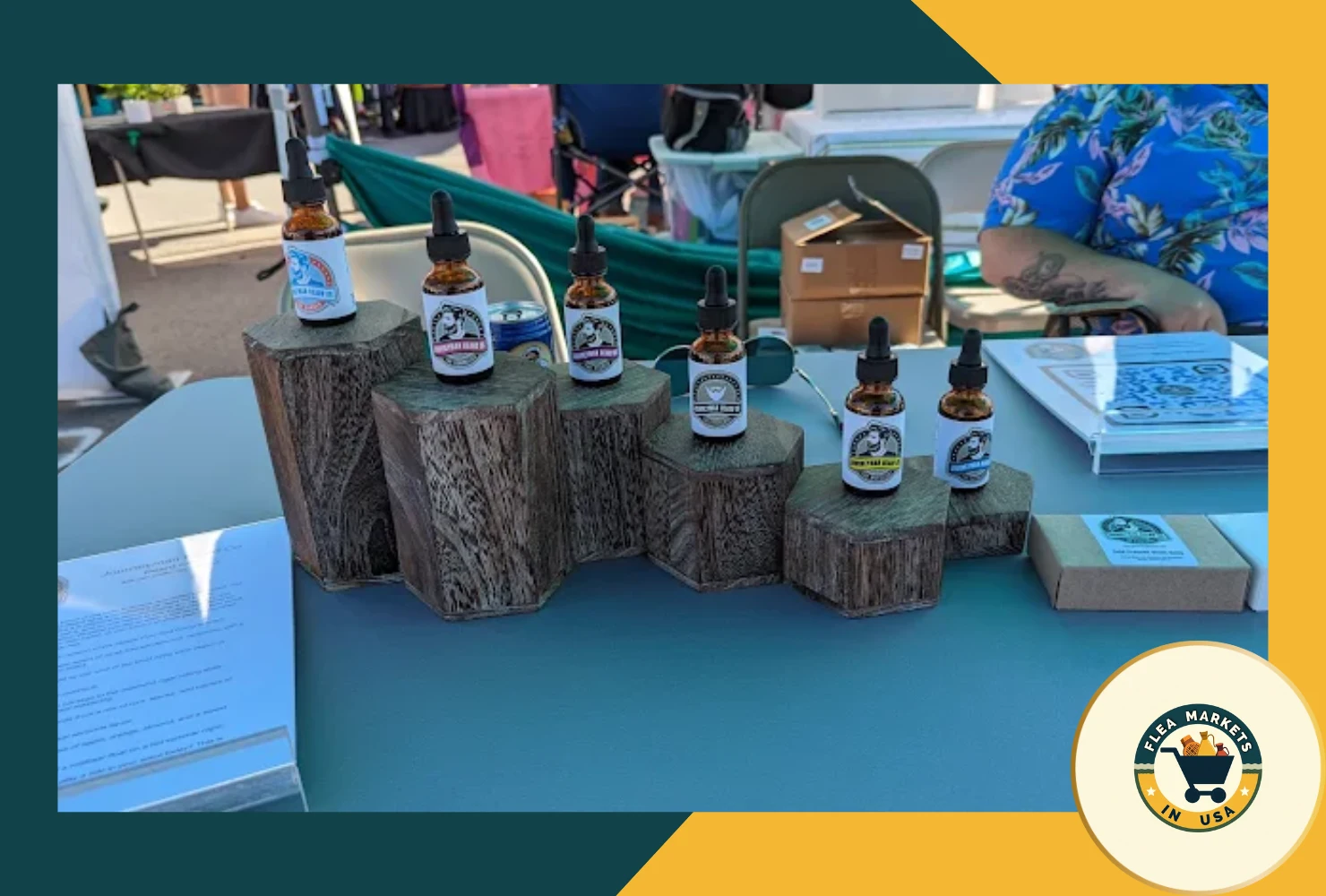
| Handmade Soaps | Botanical formulations | Regular attendance | Seasonal scent rotation | Natural product advocates |
| Local Crafts | Textiles, pottery, wood | Rotating vendors | Holiday specialization | Art collectors |
| Herbal Products | Teas, remedies, dried herbs | Monthly regular | Seasonal plant availability | Health-conscious shoppers |
Strategic Approaches for Monthly Market Success
Timing Arrival for Optimal Experience
Early arrival between 10:00-11:00 AM captures maximum vendor inventory before afternoon depletion. Popular items—fresh bread, specialty honey, seasonal produce sell completely by midday. Early birds also secure optimal parking and avoid afternoon crowds building toward the market’s 2 PM closure. However, late arrivals between 1:00-2:00 PM occasionally discover vendor clearance discounts on remaining inventory, offering negotiation opportunities unavailable during peak hours. Understanding this timing dynamic enables visitors to align arrival with specific collecting goals.
Bringing Appropriate Carrying Capacity
Vendors appreciate customers bringing reusable bags and crates, demonstrating environmental consciousness while ensuring comfortable merchandise transport. Collapsible wagons or hand trucks accommodate larger purchases like produce crates or baked goods quantities. Arriving prepared for potential purchases prevents merchandise damage and enables confident buying without transport complications.
Cash Preparation and Payment Flexibility
While many vendors accept digital payments, carrying prepared cash reserves enables transaction simplicity and demonstrates vendor support during payment processing costs. Bulk purchases frequently attract informal discounts—purchasing multiple bread loaves or vegetable quantities together often qualifies for modest price reductions. Building vendor relationships through repeat monthly visits establishes goodwill encouraging future notifications about specialty items matching established interests.
Seasonal Market Transformations and Thematic Variations
Winter Markets: December Through February
Winter markets emphasize preserved goods, gift-appropriate items, and celebration-focused products. Holiday-themed jewelry, specialty chocolates, and preserved vegetables dominate December markets. January-February transitions toward spring planning with seed starting supplies and early produce preparations. Gift-giving drives purchasing patterns distinct from other seasons. Smaller vendor participation reflects cold weather logistics challenges, though committed vendors maintain regular attendance.
Spring Markets: March Through May
Spring market energy explodes with garden enthusiasts, farmers celebrating growing season starts, and artisans preparing for busy season. Plant starts, seeds, and early greens dominate vendor selections. Jewelry and textile vendors increase participation as weather enables comfortable outdoor booth operation. The market atmosphere shifts dramatically from winter’s conservation toward spring’s expansion and renewal.
Summer Peak Season: June Through August
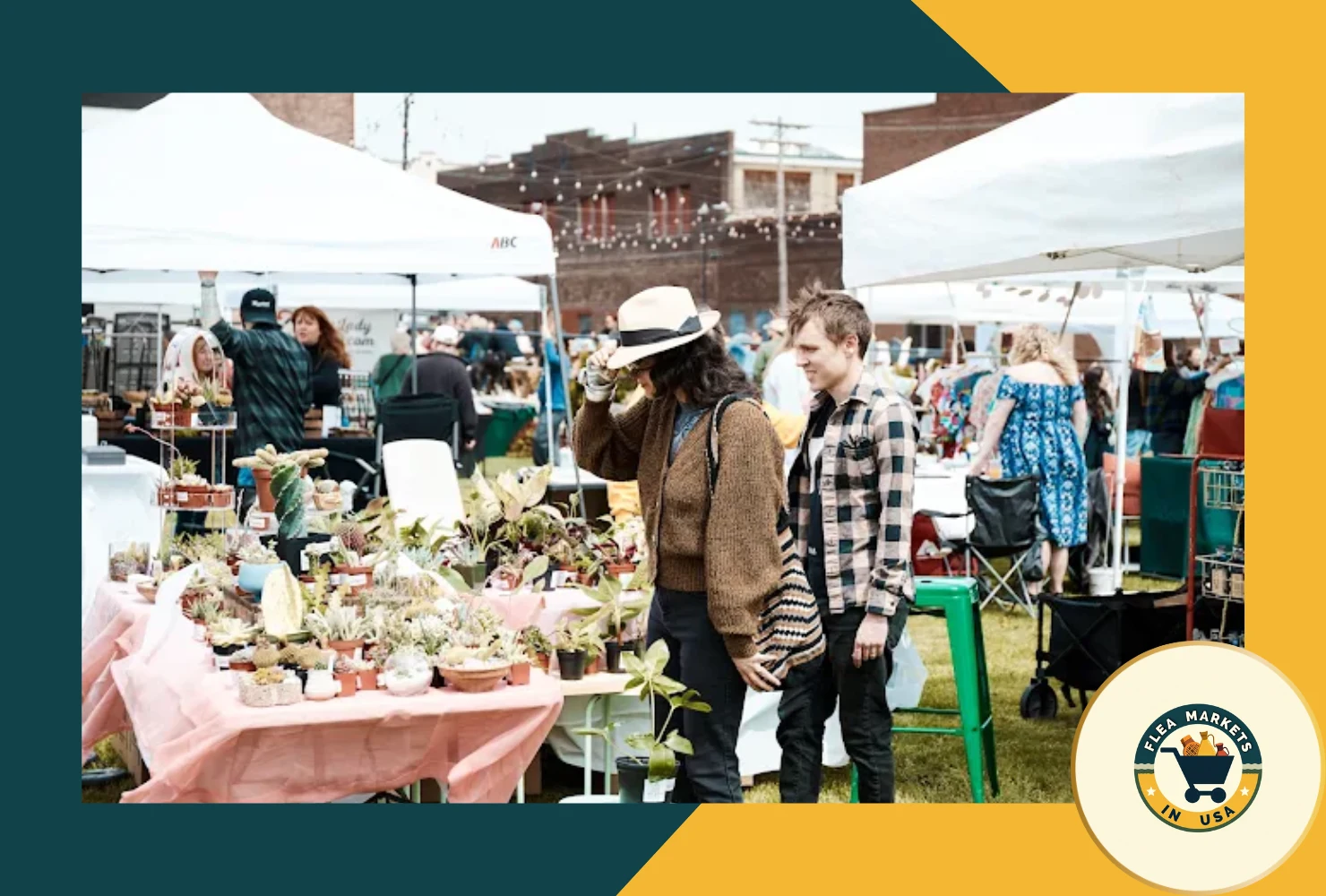
Summer markets represent peak season with maximum vendor participation and agricultural abundance. Produce diversity reaches annual peaks with berries, stone fruits, and abundant vegetables. Extended daylight enables evening browsing for visitors unable to attend morning hours. Vendor energy peaks during harvest season with highest enthusiasm and inventory availability. The market becomes true community gathering supporting both commerce and social connection.
Fall and Holiday Preparation: September Through November
Fall markets transition toward harvest celebration and holiday preparation. September captures peak vegetable and fruit abundance from summer gardens. October emphasizes autumn themes, Halloween goods, and preservation products. November focuses on holiday gifting and thanksgiving preparation. Vendor participation remains strong with autumn farmers celebrating final harvests before winter dormancy.
Creating Community Through Monthly Gatherings
Building Vendor-Customer Relationships Through Consistency
Monthly attendance creates natural rhythm enabling relationship development unavailable in constant weekly markets. Regular customers develop vendor familiarity, with merchants learning preferences and alerting patrons about arriving specialty items. Personal stories behind products farm narratives, artisan biographies, cultivation practices enrich transactions beyond simple monetary exchange. Multi-year attendance traditions create genuine friendships transcending typical retail relationships.
Multi-Generational Saratoga Traditions
Families establishing monthly market attendance create lasting traditions and bonding experiences. Grandparents introduce younger generations to authentic local commerce, teaching appreciation for artisanal production. Children learn agricultural seasonality and craft value through direct vendor engagement. These intergenerational traditions establish lifelong habits recognizing community commerce value distinct from corporate retail convenience.
Downtown Integration and Economic Ecosystem
Market visitors naturally explore adjacent downtown businesses, creating spillover economic benefit extending beyond direct market transactions. Restaurants capture lunch business from market attendees. Gallery browsing becomes routine market visit additions. Small boutiques gain customer exposure. The market functions as downtown economic catalyst, driving consistent visitor traffic supporting broader commercial community sustainability.
Photography and Digital Content Opportunities
Capturing Market Color and Community Energy
Morning light illuminates produce displays with vivid colors communicating freshness and agricultural quality. Bread loaves arranged in rustic displays create warm, inviting compositions. Handcrafted jewelry glimmers under natural light, revealing artisan detail and material quality. Vendor personalities alongside merchandise humanize the market experience, transforming transactional photography into community documentation.
Educational and Storytelling Content
Vendor interview content discussing sourcing practices, production philosophies, and business origins create engaging educational material. Before-and-after photography revealing produce transformations from harvest to prepared meals demonstrates agricultural value. Seasonal comparison photography documenting market evolution across the year illustrates agricultural cycles and vendor diversity variations.
Vendor Application and Community Participation
Straightforward Vendor Registration and Participation
The market welcomes new vendors through accessible application processes accommodating emerging businesses and established operators. The official vendor registration page explains booth space availability, rental terms, and participation requirements. Supportive management ensures vendors receive fair visibility and consistent customer traffic. The vendor-friendly philosophy attracts diverse participants from established agricultural operations to emerging artisans launching commercial ventures.
Success Factors for Monthly Vendor Sustainability
Consistent monthly participation builds customer recognition and expectation, with loyal patrons timing visits around specific vendor schedules. Quality merchandise presentation and fair pricing establish dealer reputation transcending individual transactions. Engagement with customers sharing product stories, answering questions, offering education distinguishes successful vendors from indifferent operators. Seasonal inventory rotation maintains vendor freshness while responding to actual agricultural and artisanal production cycles.
Regional Market Connections and Comparative Alternatives
Angus Hill Flea Market: Larger-Scale Alternative
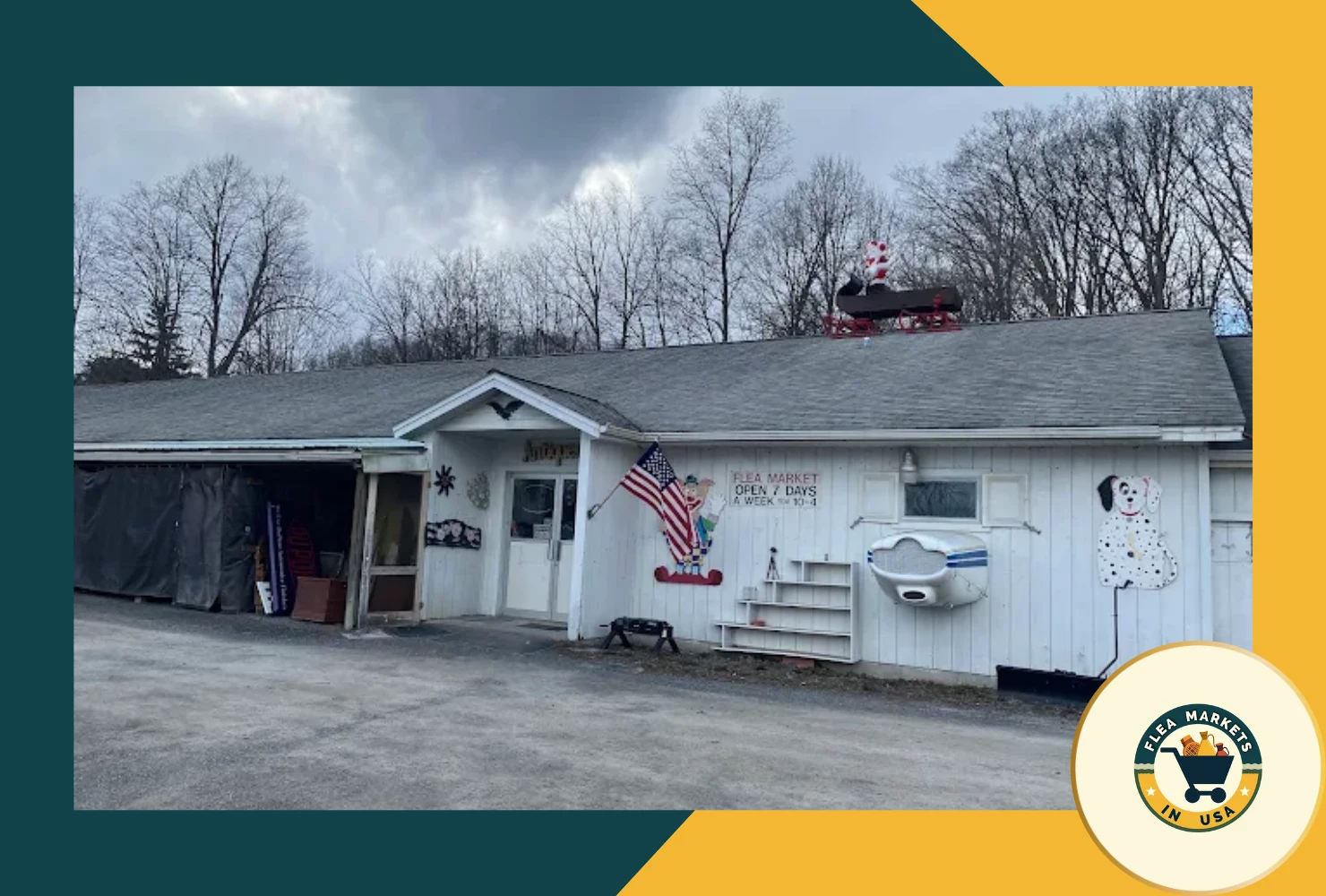
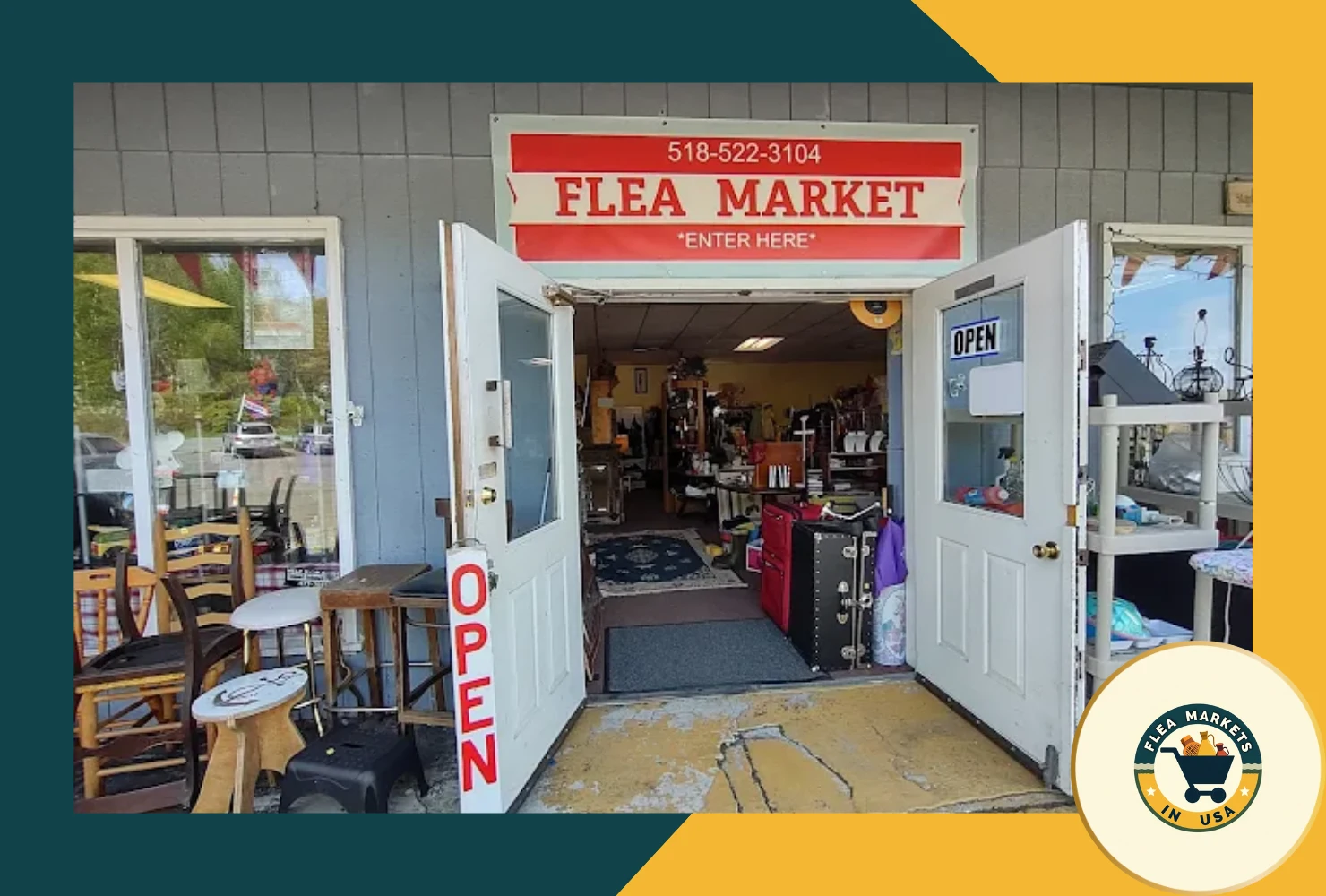
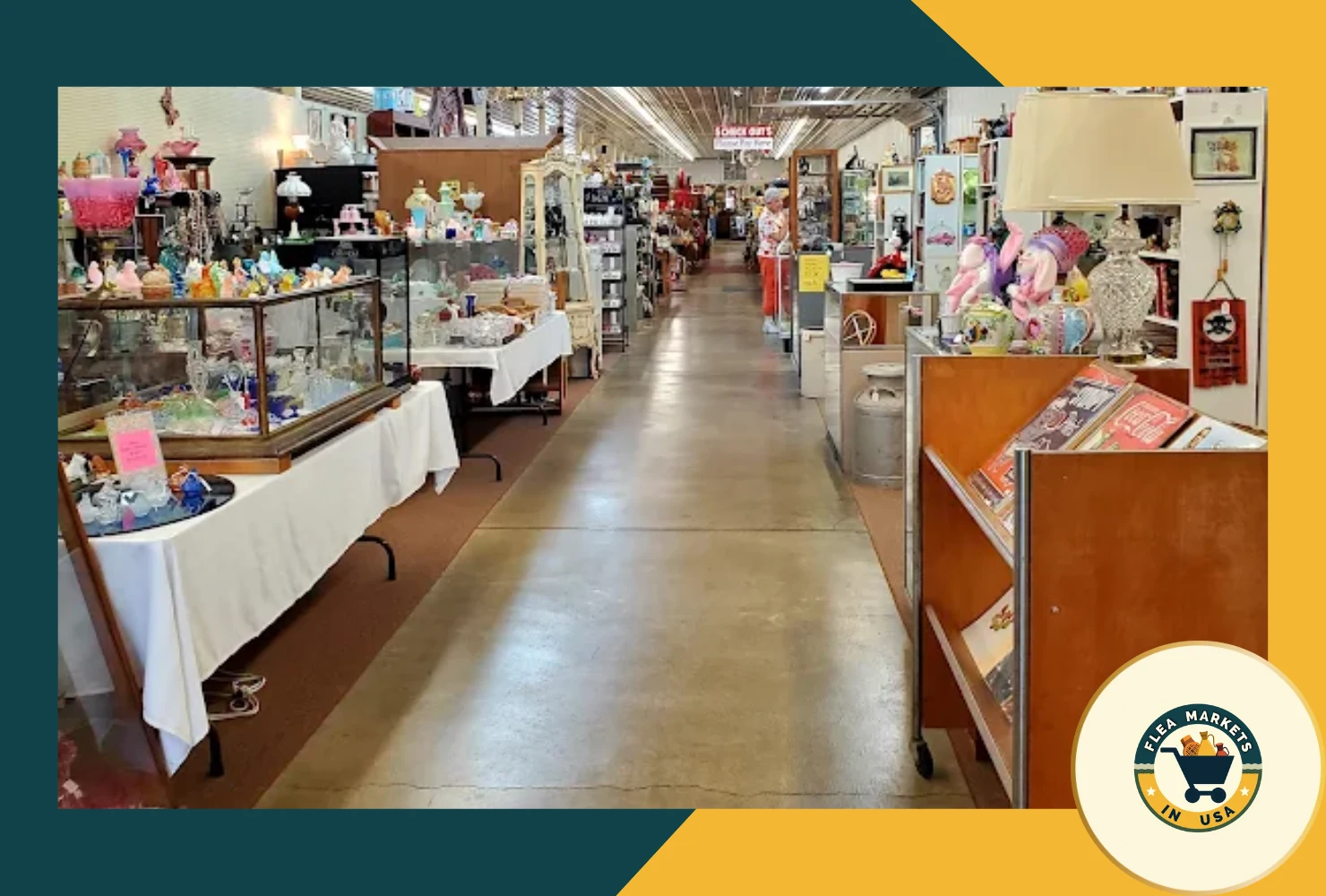
Angus Hill Flea Market operates on expanded weekly schedule with larger vendor participation and broader inventory diversity. The size distinction enables different collecting approaches Angus Hill suits treasure hunters seeking comprehensive selection, while Second Sunday emphasizes quality curation and community connection. Geographic positioning across the region creates natural pairing for multi-venue market touring within single weekend trips.
Bmjr Inc. Flea Market: Long Island Market Alternative
Bmjr Inc. operates on Long Island with distinct vendor communities and inventory emphasis. The geographic separation creates natural circuit for serious collectors combining regional market visits. Different operating schedules permit sequential touring maximizing efficiency while expanding collector exposure to diverse merchandise categories and vendor specialties.
FAQ Section: Monthly Market Quick Reference
What are the exact dates when The Second Sunday Market operates annually?
The market opens every second Sunday of the month from 10 AM–2 PM; specific dates vary yearly but follow consistent second-Sunday-of-month scheduling.
Is admission charged for market entry and browsing without purchases?
No, entry is completely free with no age restrictions, membership requirements, or shopping minimums of any kind.
Are leashed pets permitted throughout the downtown market area?
Yes, leashed pets are welcome provided they remain well-behaved and don’t disrupt vendor operations or other shoppers.
What food options exist for visitors seeking meals during market hours?
Multiple vendors sell freshly baked bread, pastries, honey products, and ready-to-eat items; nearby downtown restaurants provide additional dining options.
How can I apply to become a regular vendor at The Second Sunday Market?
Interested sellers should access the official vendor registration page online or contact market management with business information and product details.
Is downtown parking adequate during peak market days or should I arrive exceptionally early?
Street parking exists throughout downtown though arriving early secures convenient spaces; train station access provides alternative transportation.
Are there vendor reservations for specific booth locations or is space allocated daily?
Regular vendors typically maintain consistent booth locations; new vendors receive space assignments through market management coordination.
Does the market continue operating during harsh winter weather or are there seasonal suspensions?
The market maintains year-round monthly operation with occasional weather adjustments; contacting market management confirms any modifications before traveling.
Can I photograph vendors and merchandise for personal use or social media content?
Photography is generally welcomed; respectfully discussing digital content usage with vendors demonstrates courtesy and maintains positive relationships.
Are larger purchases accommodated with vendor contact information for future orders or custom commissions?
Many vendors welcome direct customer relationships including custom orders; exchanging contact information enables ongoing transactions beyond monthly market attendance.
Why The Second Sunday Market Defines Saratoga Springs Community Character
The market embodies Saratoga Springs’ artistic spirit, agricultural heritage, and community-centered values. The monthly format creates sustainable business models for artisans and farmers while maintaining quality standards distinguishing the event. Downtown integration positions the market as community anchor rather than isolated commercial venue. Consistent attendance builds genuine relationships transcending typical consumer transactions. The event celebrates local creativity and regional agriculture while welcoming visitors into authentic community experiences.
Planning Your Second Sunday Market Visit
Whether seeking specific seasonal produce, discovering artisan crafts, supporting local agriculture, or simply experiencing authentic community gathering, The Second Sunday Market delivers memorable experiences. Monthly accessibility accommodates diverse schedules while maintaining visitor anticipation. Free admission eliminates financial barriers to exploration. Downtown positioning enables extended visits combining market browsing with broader cultural exploration. Arrive early for optimal selection, bring reusable bags, wear comfortable shoes, and engage with vendors whose passion for their craft shines through every interaction and product offering.