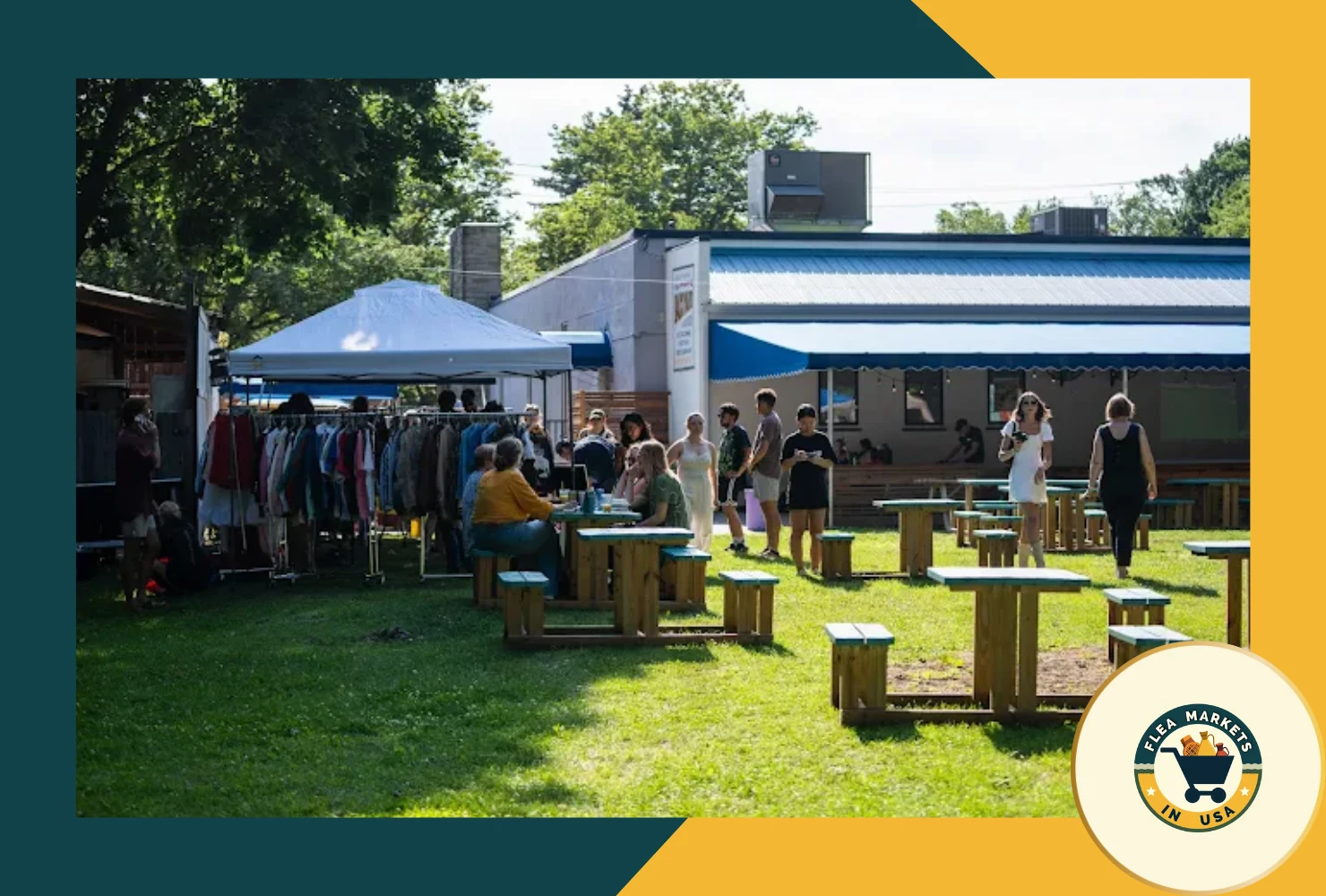
Saturday mornings in Utica hold special significance for residents who understand that 321 Main St transforms into a vital community marketplace where agricultural heritage meets contemporary artisan commerce. Don’t miss Tri County Bazaar and Cobleskill Flea Market for more variety. The Oneida County Public Market operates as more than a vendor assembly; it functions as cultural touchstone reflecting Central New York’s commitment to supporting small-scale producers, celebrating regional specialties, and maintaining shopping traditions that prioritize local commerce over corporate convenience.
Table of Contents
ToggleUnderstanding the Market’s Strategic Position
The Oneida County Public Market specializes in fresh agricultural products and artisanal goods reflecting Central New York’s farming heritage. The Saturday-only, four-hour window concentrates vendor energy into focused marketplace activity. This scheduling allows farmers, bakers, and artisans to participate part-time, layering marketplace income alongside primary operations. The downtown location at 321 Main St provides walkable access for residents while remaining convenient for regional visitors. Find even more rich flea-market traditions around the state at Flea Markets in New York.
Operational Schedule: The Strategic Weekly Concentration
| Operating Day | Hours | Vendor Preparation Focus | Shopper Demographics |
|---|---|---|---|
| Saturday | 9 AM–1 PM | Peak vendor participation, maximum fresh inventory | Families, serious shoppers, regulars |
| Sunday | Closed | Vendor rest, product preparation | N/A |
| Monday-Friday | Closed | Vendor production, farm operations, artisan work | N/A |
The Saturday-only schedule creates distinctive market dynamics. Unlike seven-day operations where inventory rotates continuously, the weekly concentration means vendors curate their finest offerings for single-day presentation. Farmers harvest or prepare inventory Friday evening or early Saturday morning, ensuring produce peaks in freshness. Bakers prepare overnight batches arriving Saturday morning with warmth still radiating from ovens. This concentrated approach prioritizes quality over convenience.
The 9 AM opening accommodates multiple shopper profiles. Agricultural vendors preparing weekend market trips arrive early, establishing booth positions and arranging displays. Early-arriving customers serious home cooks planning weekend meals, individuals prioritizing produce selection, neighborhood residents maintaining shopping traditions arrive between 9-10 AM when selection peaks. Family shoppers arrive mid-morning around 10:30-11:30 AM, accepting narrower selection for convenient timing around children’s schedules.
The 1 PM closing reflects vendor stamina and inventory realities. By early afternoon, popular items reach depletion, later-arriving customers face limited selection, and vendor energy diminishes after four hours of direct retail interaction. The sharp closing ensures vendors complete daily finances and breakdown while afternoon remains available for personal activities, family time, or production preparation for following Saturday.
Transportation Infrastructure: Accessibility Strategies for Urban and Regional Shoppers
| Transportation Method | Details | Implementation Notes |
|---|---|---|
| Personal Automobile | Multiple public parking lots within walking distance | Downtown location provides convenient parking options |
| Utica Transit System | Bus routes serve market area | Local residents utilize public transit effectively |
| Walking | Downtown Utica positioning enables pedestrian access | Nearby residential neighborhoods support walkable visits |
| Regional Drive | Central New York location accessible from surrounding counties | Visitors from 30-50 mile radius can day-trip feasibly |
The downtown Main Street location provides transportation diversity impossible for suburban or isolated markets. Utica residents within walking distance can incorporate market shopping into Saturday morning routines without vehicle use. The adjacent public parking lots accommodate vehicle-dependent shoppers from outlying areas without requiring extensive parking searches or paid premium parking.
The Utica transit system enhances accessibility for riders without personal vehicles. Bus proximity removes transportation barriers, allowing elderly residents, younger shoppers without cars, and those preferring public transit to participate reliably. This inclusive transportation approach distinguishes urban markets from car-dependent suburban operations.
Free admission removes financial barriers to entry. Unlike venues charging admission fees, common for some flea markets and special events, the Oneida County Public Market welcomes all visitors regardless of purchasing intent. The elimination of entry fees reflects community-minded market philosophy; browsing without buying receives equal welcome as transaction-focused shopping.
Vendor Community: The Diverse Producers Creating Market Value
| Vendor Name | Product Category | Specialization | Regional Appeal |
|---|---|---|---|
| Fresh Roots Hydroponics | Produce | Locally grown vegetables, hydroponic systems | Year-round availability, innovative agriculture |
| Utica’s Best Cheese | Specialty Food | Artisanal cheese selection | Regional dairy heritage |
| Millstream Maple Syrup | Specialty Food | Pure maple syrup, maple products | Seasonal forest products |
| Blue Line Bakery | Baked Goods | Artisanal breads, pastries | Fresh daily production |
| Golden Olive Oil Co. | Specialty Food | Infused olive oils, vinegars | Gourmet condiments |
| Green Fork Farm Produce | Fresh Produce | Organic vegetables, seasonal fruits | Chemical-free agriculture |
The vendor community reflects Central New York’s agricultural traditions and emerging artisan economy. Fresh Roots Hydroponics represents agricultural innovation with hydroponic technology ensuring year-round availability. Specialty food vendors like Utica’s Best Cheese and Millstream Maple Syrup leverage regional heritage. Blue Line Bakery’s fresh artisanal breads create sensory magnetism; the aroma of baking fills the entire market. Vendor diversity creates natural shopping patterns where produce shoppers gravitate toward specific vendors while specialty food seekers hunt regional cheeses, oils, and maple products.
Economic Impact: Supporting Small Producers and Local Commerce
The Oneida County Public Market functions as economic lifeline for small-scale vendors operating in competitive retail environment. The vendor registration process, online, transparent, accessible, removes barriers to participation. Unlike restrictive booth assignments limiting vendor access, the market welcomes year-round applications enabling emerging vendors to launch operations.
Vendor costs remain reasonable relative to permanent retail spaces. Saturday-only participation allows farmers, bakers, and artisans to layer marketplace income onto existing operations without requiring separate business infrastructure. A farmer selling Saturday produce continues primary agricultural operations Monday-Friday, maximizing land and equipment utilization.
Customer spending circulates within local economy. Unlike corporate retail capturing revenue for distant shareholders, market transactions directly support Central New York producers. Customers consciously purchasing from known vendors—watching bakers prepare products, meeting farmers growing their vegetables, create relationship-based commerce fundamentally different from anonymous supermarket shopping.
The market supports cultural food traditions. Specialty vendors like Utica’s Best Cheese preserve regional culinary heritage; younger shoppers discovering cheese selections develop appreciation for local agricultural traditions. Maple syrup vendors connect consumers to regional forest products and seasonal production cycles. These relationships build cultural literacy transcending simple transactions.
Hotel Accommodations: Extending Weekend Marketplace Visits
| Hotel Name | Distance from Market | Guest Focus | Amenities |
|---|---|---|---|
| Delta Hotels by Marriott Utica | Proximate to market | Business travelers, couples | Comfortable rooms, professional service |
| DoubleTree by Hilton Utica | Walking distance | Extended-stay guests | Full amenities, business centers |
| Holiday Inn Express & Suites Utica | Nearby downtown | Budget-conscious travelers | Quality service, convenient location |
While most shoppers arrive Saturday morning from surrounding neighborhoods, extended visitors benefit from nearby hotel options. The DoubleTree by Hilton’s full amenities accommodate business travelers combining market visits with regional business activities. The Holiday Inn Express provides budget-friendly overnight accommodation for out-of-region visitors discovering Utica’s marketplace character.
These hotels position weekend marketplace visits within broader Utica tourism strategies. Visitors arriving Friday evening stay overnight, enjoy Saturday market shopping, then explore regional attractions before returning home. The market becomes anchor point within extended regional travel itineraries rather than isolated shopping activity.
The Shopping Experience: Navigating Saturday Morning Marketplace Dynamics
Successful Oneida County Public Market shopping requires understanding timing and strategy. Arriving before 10 AM positions shoppers for optimal selection across all vendors. Produce selections peak early; popular items reach depletion by late morning. Bakery goods, the most ephemeral products, sell fastest, with customers purchasing entire loaves rather than individual items by 11 AM.
The four-hour operating window concentrates customer flow. Early birds arrive seeking maximum selection. Regular shoppers develop arrival patterns, the 10:30 AM crowd captures good selection with less early-morning rush intensity. Late-morning arrivals (11 AM-12:30 PM) accept narrower selection for convenience. The 12:30-1 PM window captures clearance opportunities when vendors discount aging inventory.
Engaging vendors directly enriches the shopping experience. Unlike supermarket anonymity where customers select pre-packaged items, market shopping involves interaction. Farmers explain growing methods, bakers discuss bread fermentation, specialty food vendors share tasting suggestions. These conversations create relational commerce, customers develop vendor loyalty based on personal connection and demonstrated expertise.
Bringing reusable bags represents practical necessity and environmental statement. Market shopping typically accumulates multiple items—fresh produce, baked goods, specialty foods, requiring substantial carrying capacity. Reusable bags eliminate disposable packaging waste while reducing vendor costs. Vendors appreciate environmentally conscious shoppers, sometimes offering discounts or bonus items to customers demonstrating commitment to sustainable practices.
Weather awareness matters significantly. Saturday markets operate rain or shine, but weather affects selection and crowd dynamics. Summer brings peak produce variety and largest crowds. Spring offers expanding selection as growing seasons advance. Fall emphasis shifts toward storage crops and preserved items. Winter restricts offerings but maintains core vendor participation, appealing to dedicated shoppers seeking reliable Saturday routine.
The Culinary Dimension: Food as Product and Experience
The Oneida County Public Market serves serious home cooks planning weekend meal preparation. The concentration of fresh produce, specialty ingredients, and artisanal goods enables purchasing complete meal components from single venue. A cook planning Italian dinner sources fresh vegetables from Green Fork Farm Produce, specialty olive oil from Golden Olive Oil Co., artisanal cheese from Utica’s Best Cheese, and fresh bread from Blue Line Bakery, all within one market visit.
Fresh produce quality transcends typical supermarket offerings. Farmers harvesting Friday evening and Saturday morning deliver vegetables at peak ripeness. Vine-ripened tomatoes, crisp lettuces, fragrant herbs, the flavor intensity reflects recent harvesting, not week-long cold chain transit. Home cooks understand the qualitative difference immediately; cooking with market produce produces noticeably superior results compared to conventional retail sources.
Artisanal bread transforms meal experiences. The structural integrity, flavor complexity, and textural sophistication of Blue Line Bakery’s products represent craft that industrial bakeries cannot replicate. Fresh-baked bread arrives warm from overnight preparation, creating sensory experience, warmth, aroma, crumb structure, that drives purchasing decisions beyond rational nutrition assessment.
Specialty foods introduce seasonal consciousness. Millstream Maple Syrup availability varies with production cycles; customers learn seasonal production rhythms through availability patterns. Cheese selection shifts as regional dairy operations adjust production; shoppers develop appreciation for seasonal milk characteristics affecting cheese qualities. This cyclical commerce reestablishes natural rhythms modern convenience culture typically obscures.
Photography and Social Documentation: Capturing Market Authenticity
The Oneida County Public Market provides compelling photography subjects for food and lifestyle content creators. The Blue Line Bakery booth—with buttery croissants arranged in organized displays, fresh bread cooling on racks, evidence of morning baking visible—creates naturally appealing compositions. Captured during golden morning light, bakery stalls communicate warmth, craftsmanship, and artisanal dedication.
Green Fork Farm Produce displays create vibrant color photography opportunities. Heirloom tomatoes in varied colors, deep crimson, golden yellow, striped patterns, photograph exceptionally well. Fresh lettuce greens, market baskets overflowing with produce, farmers arranging seasonal items, these compositions convey abundance and agricultural authenticity.
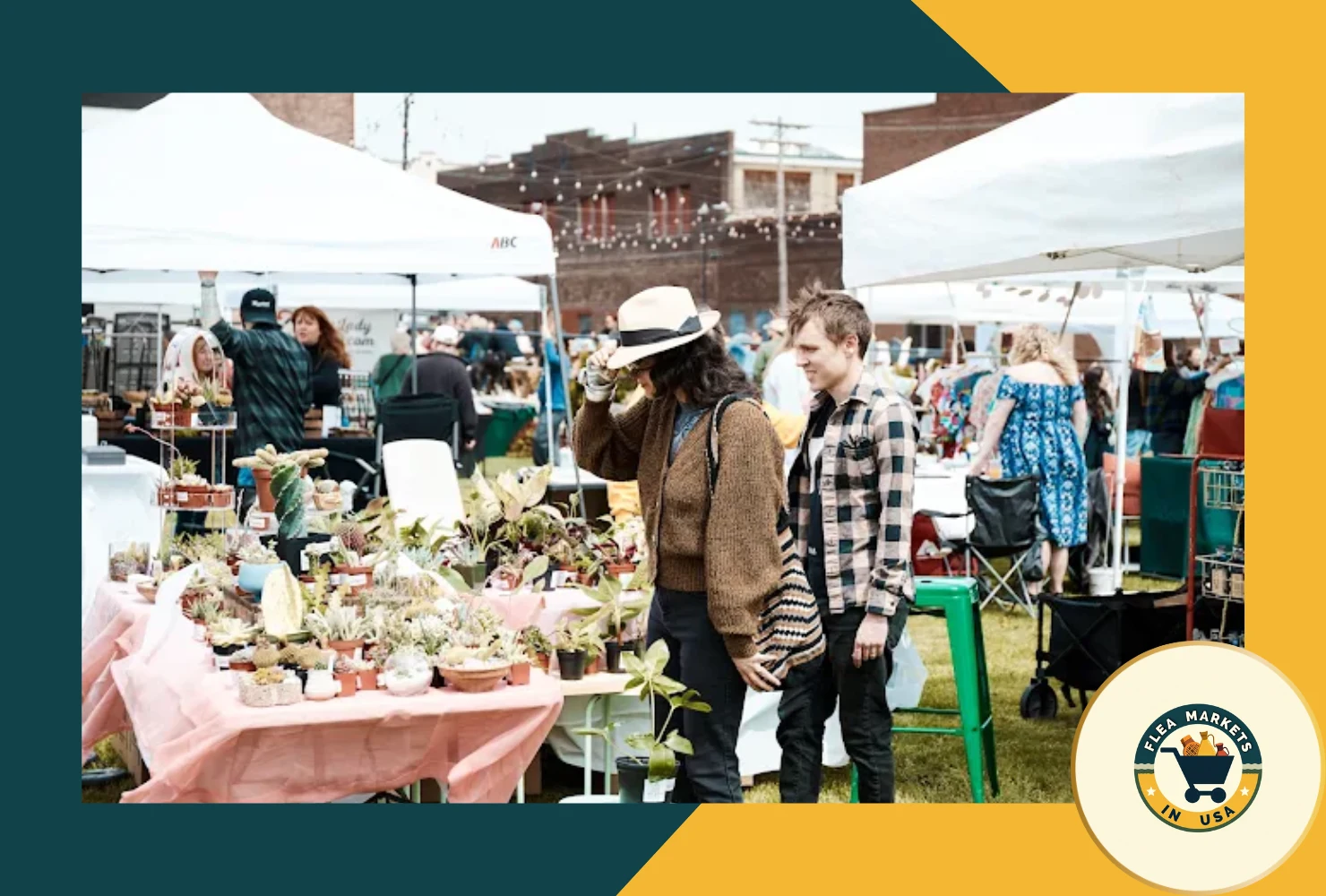
The main market entrance, with colorful vendor tents, morning crowd activity, seasonal decorations, handcrafted signage, captures market essence. Movement, community participation, genuine interaction among shoppers and vendors create dynamic photography subjects. Candid moments, children discovering produce, elderly shoppers reconnecting with vendors, friends navigating together, convey authentic marketplace character better than posed compositions.
Vendor interactions provide compelling documentary photography. Capturing farmers discussing growing methods, bakers explaining bread fermentation, specialty food vendors sharing tasting suggestions, these interactions illustrate the relational commerce distinguishing markets from impersonal retail. Authentic conversations photographed naturally communicate the market’s community-oriented mission better than staged marketing content.
Market Traditions and Generational Continuity
The Oneida County Public Market represents institutional continuity within Utica’s commercial landscape. Multi-generational shopping patterns—grandparents introducing grandchildren to vendors, families maintaining Saturday market traditions, create cultural anchoring. Children growing up with market shopping develop food literacy and vendor relationships shaping lifelong consumer patterns.
Vendor participation similarly reflects generational commitment. Established vendors maintain booth presence year after year, developing regular customer bases and market institution status. Emerging vendors entering the market system inherit established infrastructure, customer expectations, and operational traditions. This intergenerational transmission preserves marketplace culture while accommodating new participants.
The market embodies resistance against supermarket consolidation homogenizing American food retail. While large chains dominate regional commerce, the public market maintains space for small producers, direct customer relationships, and community-oriented commerce. This countercultural positioning attracts customers consciously rejecting convenience culture in favor of quality, relationship, and local support.
Frequently Asked Questions About Oneida County Public Market
What time should I arrive to find the best produce and bakery selections?
Arriving between 9-10 AM ensures maximum selection across all vendors before popular items reach depletion.
Are specific vendors present every Saturday or does vendor participation vary?
Core vendors maintain consistent Saturday participation, though seasonal variations affect some vendors; checking the official website confirms current vendor schedules.
Can I purchase in bulk or negotiate pricing for larger quantities?
Most vendors accommodate bulk purchases with advance notice; arriving late morning sometimes yields discounted pricing on aging inventory.
Do vendors accept digital payments or is cash required for transactions?
Payment methods vary by vendor; while card acceptance is increasing, carrying cash ensures flexibility across all vendor booth transactions.
How do I apply to become a vendor at the Oneida County Public Market?
Vendor applications proceed through the online registration process on the market’s official website with current cost details and transparent application procedures.
Are there restroom facilities available at the Saturday market location?
Restroom availability depends on downtown Utica facilities; checking the official website confirms current facilities and accessibility details.
Can I bring children and families to the market safely?
Yes, families represent significant shopper demographics; the daytime Saturday operation and community atmosphere accommodate children and family shopping comfortably.
What happens during inclement weather, does the market operate regardless of rain?
The market operates Saturday mornings regardless of weather conditions; severe weather may affect vendor participation or operational modifications.
Are there opportunities for educational vendor interactions or farm-to-table learning?
Yes, vendors welcome conversations about growing methods, production processes, and product sources; these interactions create educational marketplace experiences.
What products typically reach highest demand or sell out earliest?
Fresh-baked goods, popular produce items, and specialty foods sell earliest; arriving before 10 AM maximizes chances of securing preferred items before depletion.
Conclusion: Oneida County Public Market as Community Institution
The Oneida County Public Market at 321 Main St, Utica, transcends simple marketplace function. It operates as community gathering space where local commerce intersects with cultural preservation, agricultural heritage meets contemporary artisan production, and individual vendor relationships replace corporate impersonality. The Saturday morning tradition connects Utica residents and regional visitors to Central New York’s agricultural foundations while supporting small-scale producers maintaining food systems alternatives to industrial consolidation.
Visiting the market offers more than transactional shopping. It provides opportunity to understand regional food origins, support known producers, participate in community commerce, and reconnect with marketplace traditions many Americans abandoned decades ago. Whether you arrive seeking specific ingredients, hunting culinary discoveries, or simply craving the energy of community gathering, the Oneida County Public Market delivers authentic local experience.
The market’s future depends on continued vendor participation and customer support. Regular shopping sustains vendor operations, expanding market presence attracts new participants, and word-of-mouth promotion builds regional awareness. Every market visit represents conscious choice to support small commerce, value relationship-based retail, and strengthen community institutions resisting consolidation pressures.
Plan your next Saturday morning around Oneida County Public Market. Arrive early, bring reusable bags, engage vendors in conversation, and experience the authentic Utica marketplace where agricultural heritage, artisan commitment, and community connection converge every Saturday morning at 321 Main Street.