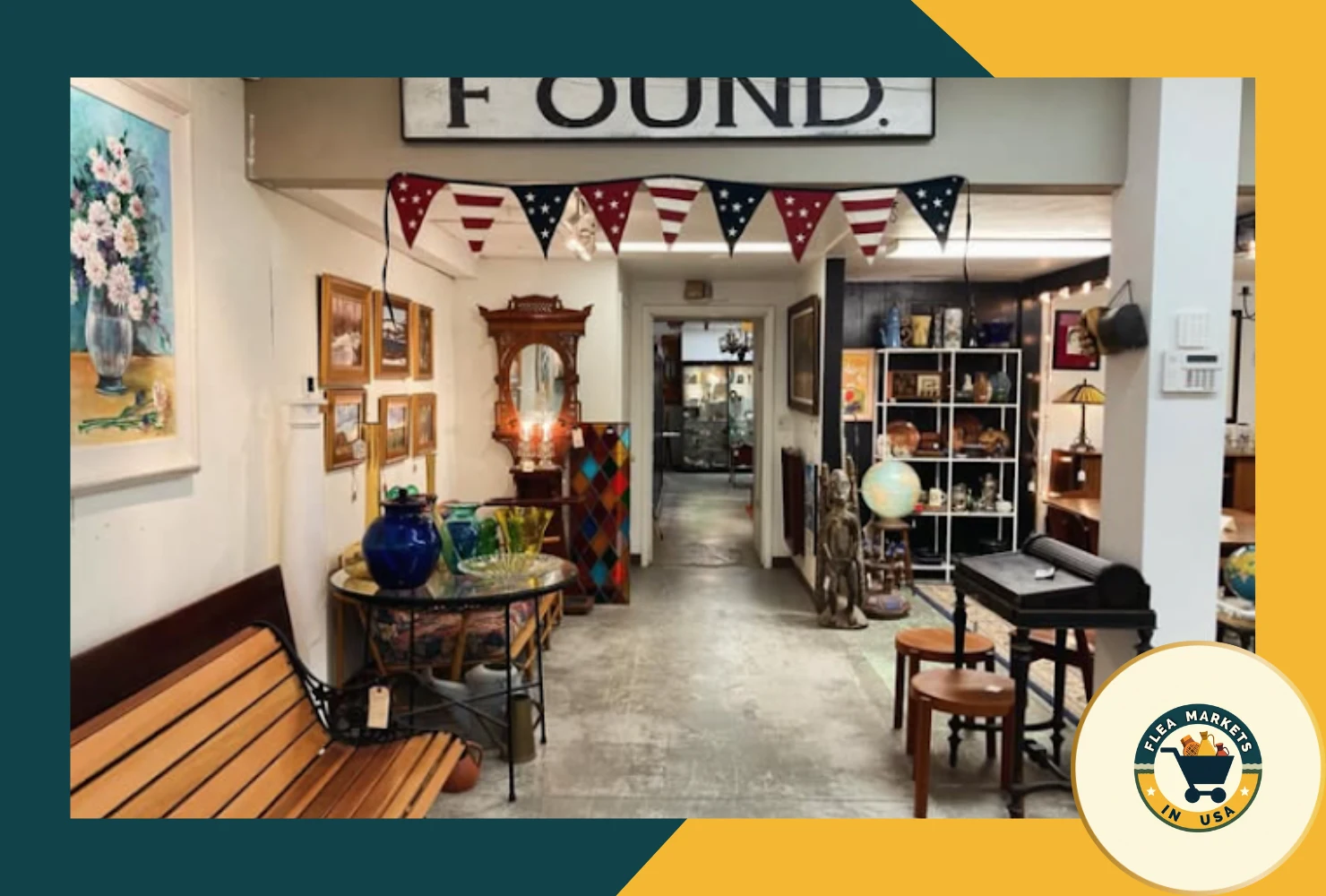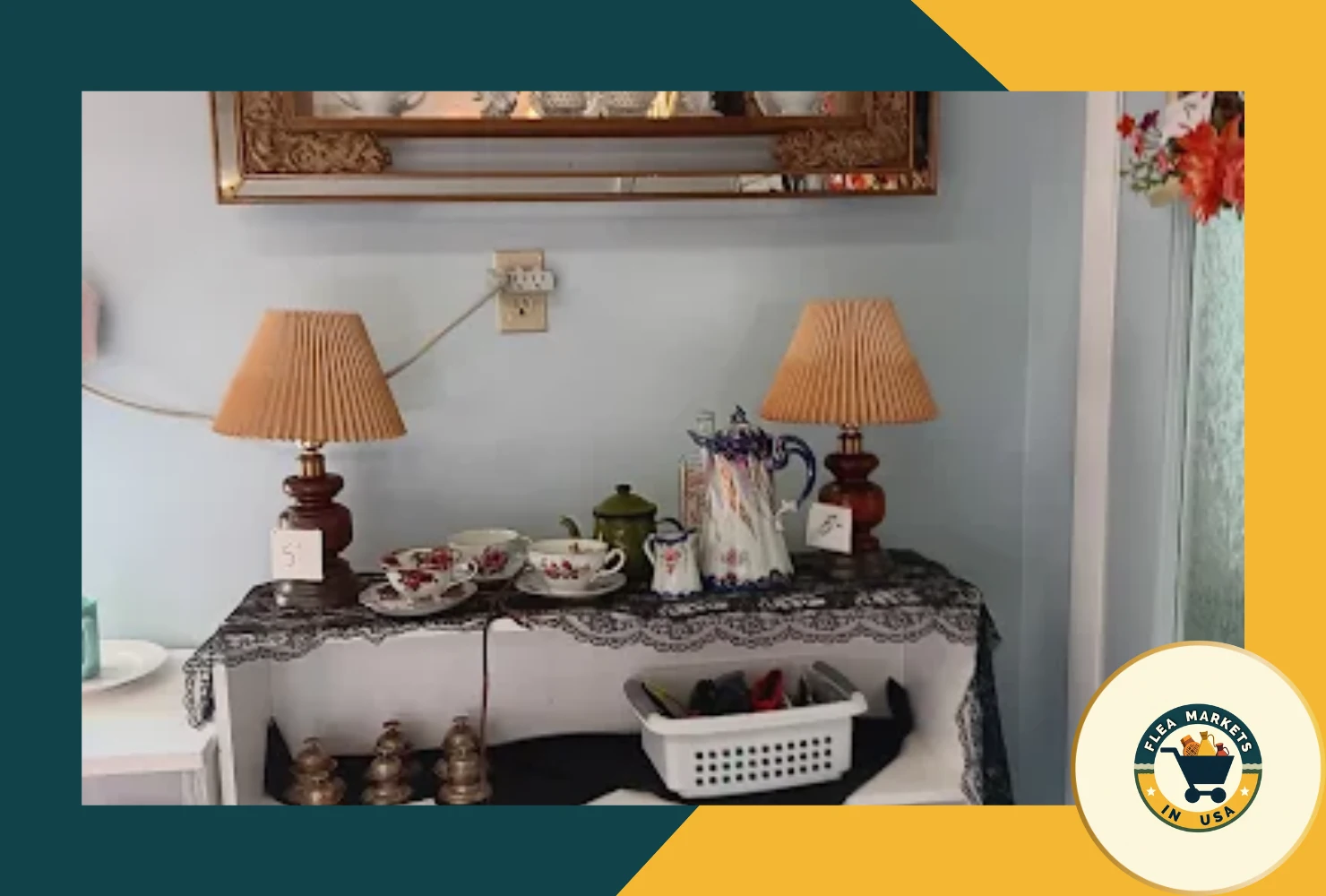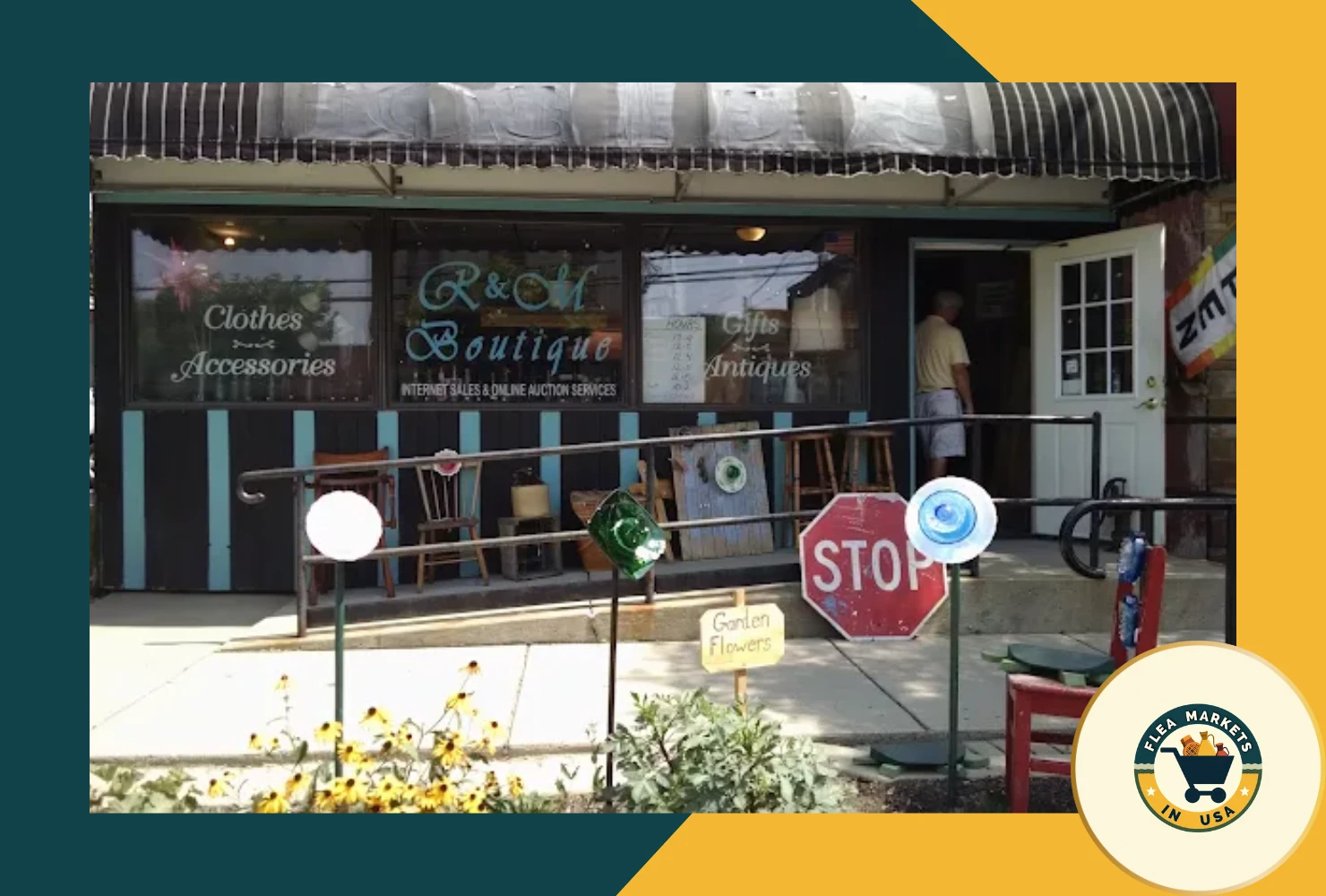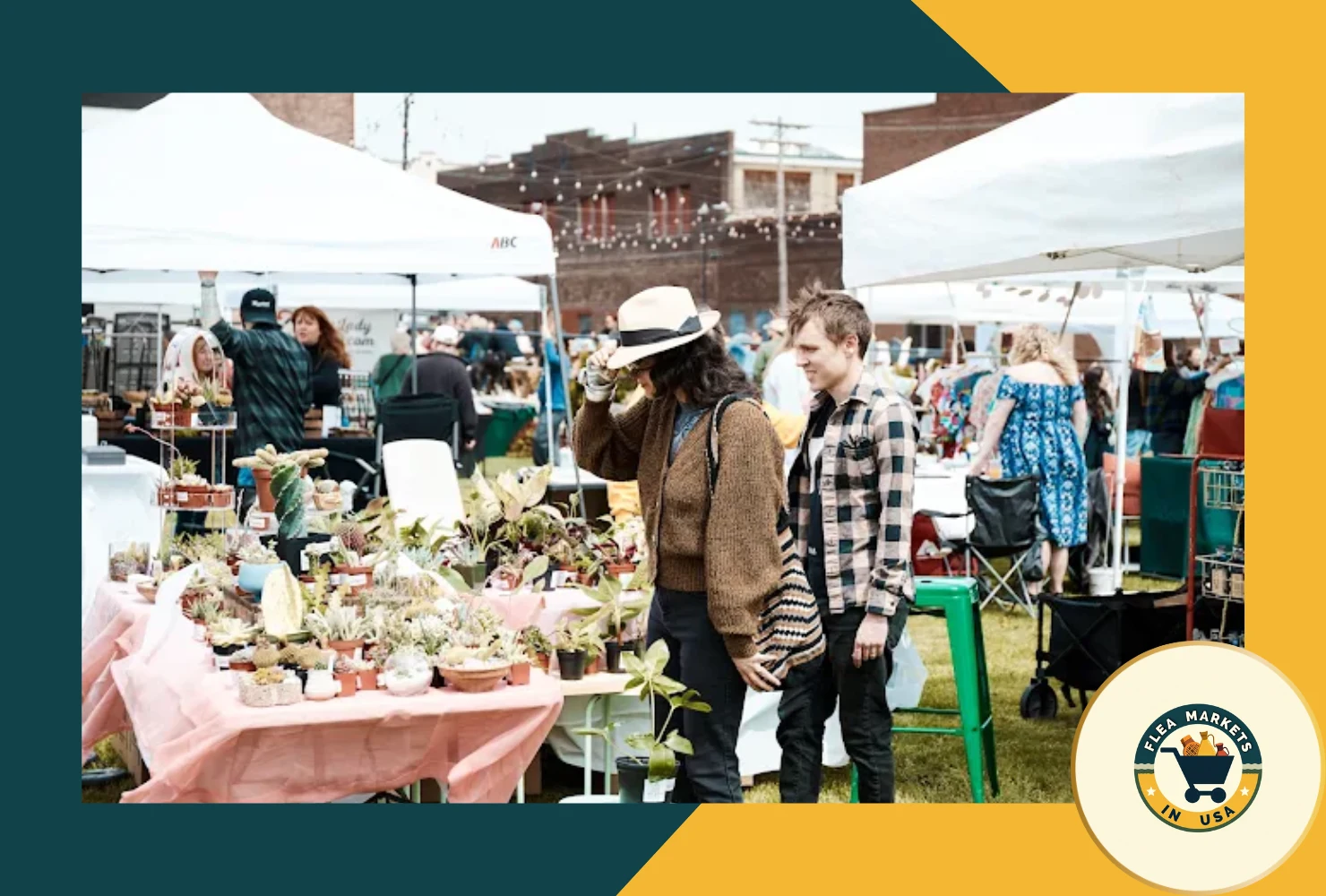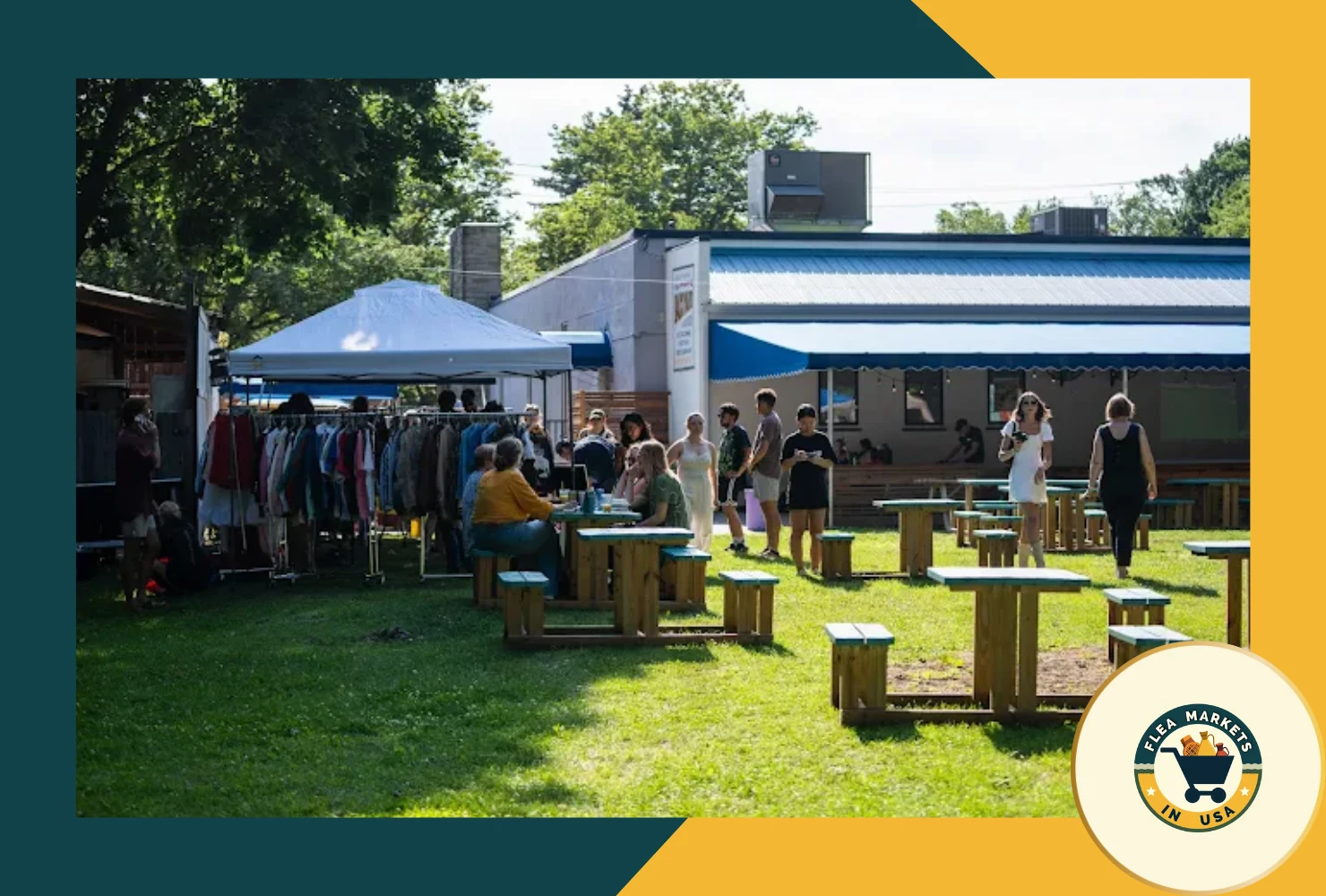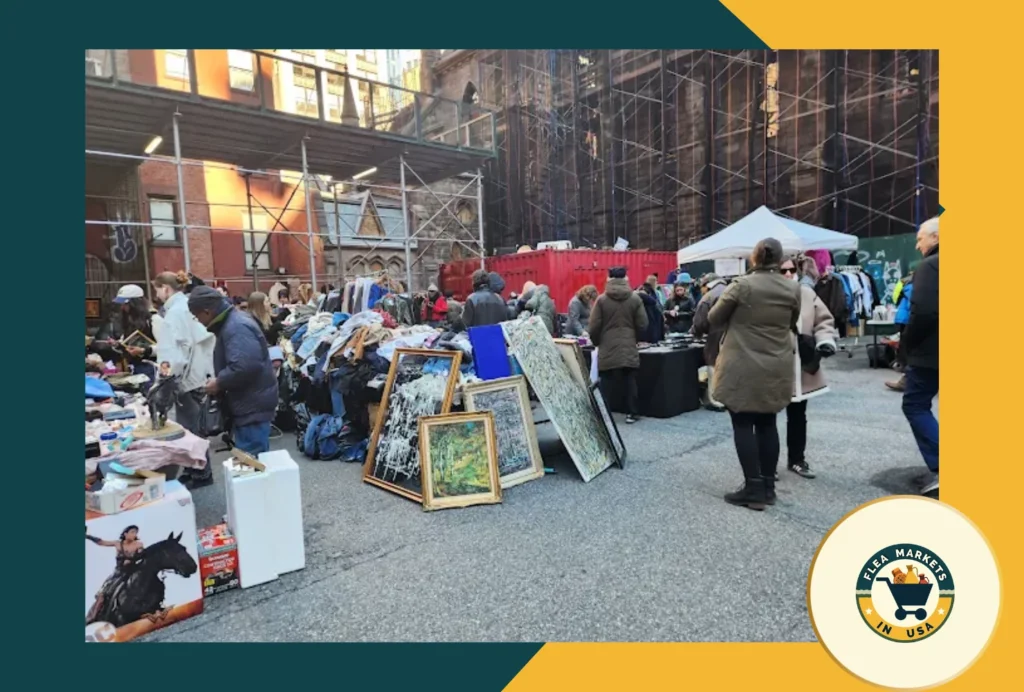
If you love hunting for one-of-a-kind antiques, vintage goods, and handmade items, then the Chelsea Flea at 29 W 25th St, New York, should definitely be on your list. From the moment I stepped inside, the lively atmosphere, friendly vendors, and an eclectic mix of treasures made me realize why this market is a favorite among locals and visitors alike. Nestled in the heart of Manhattan, this flea market offers a treasure trove of everything from retro fashion to rare collectibles. Every visit feels like uncovering hidden gems in the bustling city. Shoppers at Chelsea Flea often enjoy exploring Antiques at Northport and Barntique Village for more one-of-a-kind finds.
Situated at 29 West 25th Street in the dynamic Chelsea neighborhood, Chelsea Flea represents Manhattan’s most vibrant weekend marketplace for vintage enthusiasts, urban collectors, and style-conscious shoppers. Operating every Saturday and Sunday from 8 AM to 5 PM, this indoor-outdoor venue has cultivated a reputation as ground zero for discovering authentic vintage clothing, rare collectibles, handcrafted art, and mid-century modern furnishings in the heart of New York City. Unlike sprawling suburban antique malls or quiet neighborhood flea markets, Chelsea Flea pulses with the energy of Manhattan itself, combining the city’s creative spirit, diverse vendor base, and cosmopolitan shopping culture into a concentrated weekend experience that attracts both serious collectors and casual browsers seeking authentic New York discovery.
Location: 29 West 25th Street, New York, NY 10010
Operating Hours: Saturday & Sunday, 8:00 AM – 5:00 PM
Admission: FREE
Contact: Check official Chelsea Flea website for current vendor information and special events
Table of Contents
ToggleLocation Context: Why Chelsea Matters for the Vintage Marketplace
The Chelsea Neighborhood Identity and Market Integration
Chelsea’s identity as an artistic, culturally sophisticated neighborhood directly shapes the Chelsea Flea experience. The area’s history as a creative hub, home to artists, galleries, designers, and progressive cultural institutions, established an ecosystem predisposing the community toward vintage aesthetics, artisanal goods, and historically conscious consumption. The neighborhood’s gentrification paradoxically strengthened rather than diminished vintage market relevance; as Chelsea evolved from industrial district to upscale residential area, interior designers, decorators, and residents invested in maintaining neighborhood character through vintage furnishings and historical references. Chelsea Flea reflects this collective investment in authenticity and design consciousness. For more unique markets, browse our New York flea markets page.
The market’s location on West 25th Street positions it within Chelsea’s commercial core, alongside galleries, boutiques, restaurants, and cultural venues. This integration transforms Chelsea Flea from isolated marketplace into destination hub within a larger experience ecosystem. Visitors often combine market exploration with nearby gallery visits, restaurant dining, or exploring the High Line elevated park. This contextual richness distinguishes Chelsea Flea from standalone markets lacking environmental texture.
Real Estate and Urban Density Implications
Manhattan’s real estate economics shape Chelsea Flea’s operational model. Indoor-outdoor hybrid design maximizes limited space while accommodating seasonal weather variations. Unlike suburban markets operating entirely outdoors, Chelsea Flea’s compact footprint serves dense urban population more efficiently. The venue’s weekend-only schedule reflects Manhattan’s commercial real estate premium, full-time retail operation would prove economically prohibitive. This schedule concentration creates intense, focused marketplace energy rather than diffused, casual browsing characteristic of daily-operation markets.
Operational Mechanics and Visitor Logistics
| Operating Day | Hours | Typical Attendance | Visitor Experience Character |
|---|---|---|---|
| Saturday | 8:00 AM – 5:00 PM | High volume, peak traffic | Energetic, crowded, social atmosphere, early arrival essential |
| Sunday | 8:00 AM – 5:00 PM | Strong sustained traffic | Slightly relaxed than Saturday, still vibrant, afternoon browsing viable |
| Weekdays (Mon-Fri) | CLOSED | N/A | Market operates weekends exclusively |
Transportation: Navigating Manhattan Access
Chelsea Flea’s accessibility via Manhattan’s public transportation system represents a significant advantage for visitors avoiding driving and parking expenses. The 23rd Street station on the 6 (Lexington Avenue Line) subway serves as the closest direct access point, requiring only a short walk to the market venue. The L train (14th Street station) and M15 bus also provide reasonable alternative access for visitors from different Manhattan areas. This multi-modal transit access makes Chelsea Flea reachable from anywhere in the city without vehicle ownership or navigation of Manhattan’s notoriously expensive parking infrastructure.
For those choosing to drive despite Manhattan parking challenges, several paid garages operate within the Chelsea area, though daily rates typically range $20-40, substantially exceeding public transportation costs. Strategic visitors often combine market exploration with other Chelsea activities to justify parking investment. Early arrival, accessing parking before 10 AM, generally ensures better availability and occasionally lower rates than later arrival.
Entry Requirements and Economic Access
Free admission eliminates financial barriers to market exploration. No tickets, entry fees, or membership requirements exist. This accessibility philosophy, particularly striking given Manhattan premium real estate and upscale neighborhood context, reflects market commitment to democratic access and broad community engagement. Free admission encourages reconnaissance visits, enabling newcomers to evaluate vendor offerings and booth locations without financial commitment. Repeat visitors benefit from reduced-friction access to their favorite vendors and booth sections.
The Vendor Ecosystem: Specializations and Strategic Positioning
Featured Vendor Categories and Market Structure
Chelsea Flea’s vendor diversity reflects both Manhattan’s cosmopolitan demographics and the market’s curation approach. Rather than accepting all applicants without standards, management maintains vendor quality standards emphasizing authenticity, craftsmanship, and aesthetic coherence. This selective approach prevents marketplace dilution while maintaining visitor confidence in merchandise quality. Vendors span multiple specialty categories, enabling cross-category exploration within unified venue.
| Vendor Category | Representative Vendors | Merchandise Focus | Target Collector Profile | Price Range |
|---|---|---|---|---|
| Vintage Fashion | Madame Paulette, Fashion Forward Archive | Classic leather jackets, designer pieces, statement jewelry, vintage handbags, accessories | Fashion enthusiasts, personal stylists, trend seekers, investment shoppers | $25-$500+ |
| Upcycled Art & Design | The Tin Can Trash, Eco-Art Collective | Repurposed sculpture, sustainable home décor, artistic installations, functional art | Environmentally conscious collectors, statement seekers, gallery owners, designers | $30-$400 |
| Mid-Century Modern | Bluebird Vintage, Century Modern Specialists | Designer furniture, iconic lighting, period décor, authentic era pieces | Interior designers, modernists, classic aesthetic enthusiasts, home furnishers | $100-$2,000+ |
| Jewelry & Accessories | Handmade artisan vendors, vintage jewelry specialists | Vintage rings, estate jewelry, handcrafted pieces, artisan accessories | Jewelry collectors, gift seekers, artisan supporters, personal accessory curators | $15-$300 |
| Art & Collectibles | Various independent artists, gallery-affiliated vendors | Original artwork, prints, sculptures, rare collectibles, signed pieces | Art collectors, investment buyers, gallery curators, statement enthusiasts | $50-$1,000+ |
| Books & Ephemera | Rare book dealers, publication specialists | First editions, vintage publications, rare finds, signed copies | Collectors, scholars, readers, bibliophiles, investment seekers | $10-$500+ |
Vendor Rotation and Weekly Variations
Chelsea Flea maintains dynamic vendor participation, with weekly variations creating ongoing novelty and discovery opportunities. Some vendors establish permanent booths, becoming market fixtures known for consistent merchandise and customer relationships. Others participate sporadically, bringing seasonal inventory or rotating merchandise. This vendor flexibility model prevents marketplace stagnation while enabling vendor schedule accommodation and inventory management. Regular visitors develop strategies for tracking favorite vendors’ schedules, often coordinating market visits with specific vendor presence.
Weekly vendor variations mean Chelsea Flea rewards return visiting. No single visit captures complete market scope; subsequent visits reveal new vendors, different merchandise assortments, and fresh opportunities. This rotation dynamic particularly benefits collectors pursuing specific items, persistence across multiple visits increases acquisition likelihood compared to one-time shopping trips.
Vendor Application and Participation Pathways
Prospective vendors can access participation through the official Chelsea Flea website vendor application portal. The application process emphasizes merchandise quality standards and aesthetic compatibility with market brand. Booth rental fees vary based on space size, location premium, and participation frequency, with weekend-only participation accessible to part-time dealers. Many artisans, small business owners, and independent sellers use Chelsea Flea as testing ground for retail viability before committing to permanent retail locations. The vendor base includes established dealers with decades-long participation history and emerging creators selling for their first time.
Merchandising Strategy and Pricing Architecture
Pricing Dynamics Across Merchandise Categories
| Item Type | Entry-Level Price | Mid-Range Price | Premium Price | Value Drivers |
|---|---|---|---|---|
| Vintage Clothing | $15-$35 | $50-$150 | $200-$500+ | Designer, condition, rarity, era desirability |
| Jewelry (Handmade) | $20-$50 | $75-$200 | $250-$600+ | Artist reputation, materials, craftsmanship |
| Vintage Jewelry (Estate) | $25-$75 | $100-$300 | $400-$1,000+ | Gemstones, precious metals, provenance, age |
| Mid-Century Furniture | $100-$300 | $400-$800 | $1,000-$3,000+ | Designer attribution, condition, material rarity |
| Artwork & Prints | $20-$75 | $100-$350 | $400-$1,500+ | Artist recognition, originality, size, condition |
| Collectible Books | $10-$40 | $50-$200 | $250-$1,000+ | Edition rarity, author significance, condition |
Negotiation Culture and Transaction Etiquette
Chelsea Flea maintains flexible negotiation culture while respecting vendor pricing authority. Items priced under $30 typically involve minimal negotiation opportunity; vendors price competitively from initiation. Mid-range merchandise ($50-$300) invites respectful inquiries, particularly for bundled purchases or multiple items. Premium pieces ($400+) often accommodate negotiation, especially as market closing approaches (after 4 PM). Successful negotiators approach discussions as dialogues rather than confrontations, demonstrating genuine interest and respect for vendor expertise. Cash transactions frequently enable modest discounts due to transaction cost elimination.
Strategic Shopping Approaches and Time Optimization
Early Arrival Advantages and Selection Dynamics
Arriving within the first hour of Saturday opening (8:00-9:00 AM) provides substantial selection advantages before crowds accumulate. Prime vintage pieces, rare collector items, and limited-quantity merchandise sell fastest, with the best selections available during early morning hours. Vendors often stock overnight and early morning, meaning first visitors encounter complete booth presentations before selection depletion. Early arrivals benefit from relaxed vendor communication, detailed consultations about merchandise backgrounds, and occasional early-bird pricing incentives.
Sunday mornings offer superior early-arrival experiences compared to Saturday mornings. Weekend travelers, tourists, and casual visitors concentrate Saturday shopping, while Sunday attracts more dedicated collectors and neighborhood residents. Sunday 8:30-10:00 AM provides authentic early-arrival advantages without Saturday’s intensity. Afternoon visitors (3:00-5:00 PM) discover different market character, crowds thin, vendor negotiability increases, and clearance items surface as vendors prepare for week departure.
Category-Specific Shopping Strategies
Vintage Fashion Pursuit: Madame Paulette and fashion-focused vendors typically display complete seasonal offerings early before significant depletion. Saturday mornings guarantee full selection access; afternoon shopping risks size and style gaps as popular items sell. Fashion shoppers benefit from early arrival combined with trunk show vendor knowledge regarding upcoming inventory and custom ordering options.
Furniture and Major Pieces: Mid-century furniture represents significant investments requiring measurement, space evaluation, and delivery considerations. Morning shopping provides optimal time for detailed vendor consultations regarding condition assessment, available space, and transportation logistics. Afternoon negotiation offers potential price improvements as vendors approach closing inventory.
Art and Collectibles: Serious collectors prioritize early Sunday visitation, accessing comprehensive offerings while avoiding Saturday crowds. Collectors often scout vendor locations and booth transitions across multiple visits, developing purchasing strategies around specific artist or style interests.
The Manhattan Context: Integration with Broader Chelsea Experience
Complementary Neighborhood Activities
Chelsea Flea’s location within the Chelsea neighborhood enables integration with broader cultural and commercial activities. The High Line elevated park, a converted railway transformed into public greenspace, runs several blocks north, offering pre- or post-market exploration. Chelsea’s concentration of contemporary art galleries provides cultural enrichment complementing vintage market experience. Restaurant options range from casual cafes to upscale dining, accommodating various market-adjacent meal breaks. The neighborhood’s boutique retail landscape includes independent shops, design studios, and specialized retailers serving aesthetic sensibilities aligned with market clientele.
Strategic visitors plan full-day Chelsea experiences combining market exploration, gallery visits, park walks, and neighborhood dining. This integrated approach maximizes visit value while justifying Manhattan transportation and parking investment. The market becomes central hub within broader neighborhood experience rather than isolated shopping destination.
Seasonal and Cultural Event Integration
Chelsea Flea operates year-round, adapting to Manhattan’s seasonal rhythms. Spring and fall months attract maximum participation as weather supports outdoor-outdoor hybrid shopping. Summer heat occasionally reduces indoor comfort, while winter cold rarely impacts participation given market’s partial indoor elements. Vendor participation sometimes correlates with broader Manhattan cultural calendars, increased activity around holidays, fashion weeks, and art world openings. Checking official market communications regarding special events, theme weekends, or highlighted vendors enables strategic visit planning.
Sustainability and the Second-Hand Marketplace Philosophy
Environmental and Economic Dimensions of Vintage Consumption
Chelsea Flea’s thriving operation reflects broader cultural shift toward sustainable consumption and second-hand economics. Vintage clothing acquisition reduces fast-fashion environmental impact while providing quality pieces outlasting contemporary production. Upcycled art vendors like The Tin Can Trash explicitly integrate sustainability into creative practice, transforming discarded materials into valuable artistic goods. Mid-century furniture acquisition extends product lifecycles, reducing resource extraction demands compared to new furniture purchase. This sustainability dimension appeals to environmentally conscious Manhattan consumers representing significant market demographic.
The second-hand marketplace also democratizes access to designer goods and quality items. Vintage Madame Paulette pieces, designer clothing at fraction of original retail, enable middle-income consumers to access luxury aesthetics unaffordable at full price. This democratization aligns with New York values emphasizing style accessibility across economic strata, contrasting with exclusive luxury retail positioning.
Photography, Social Media, and Visual Documentation
Instagram-Worthy Venue Characteristics
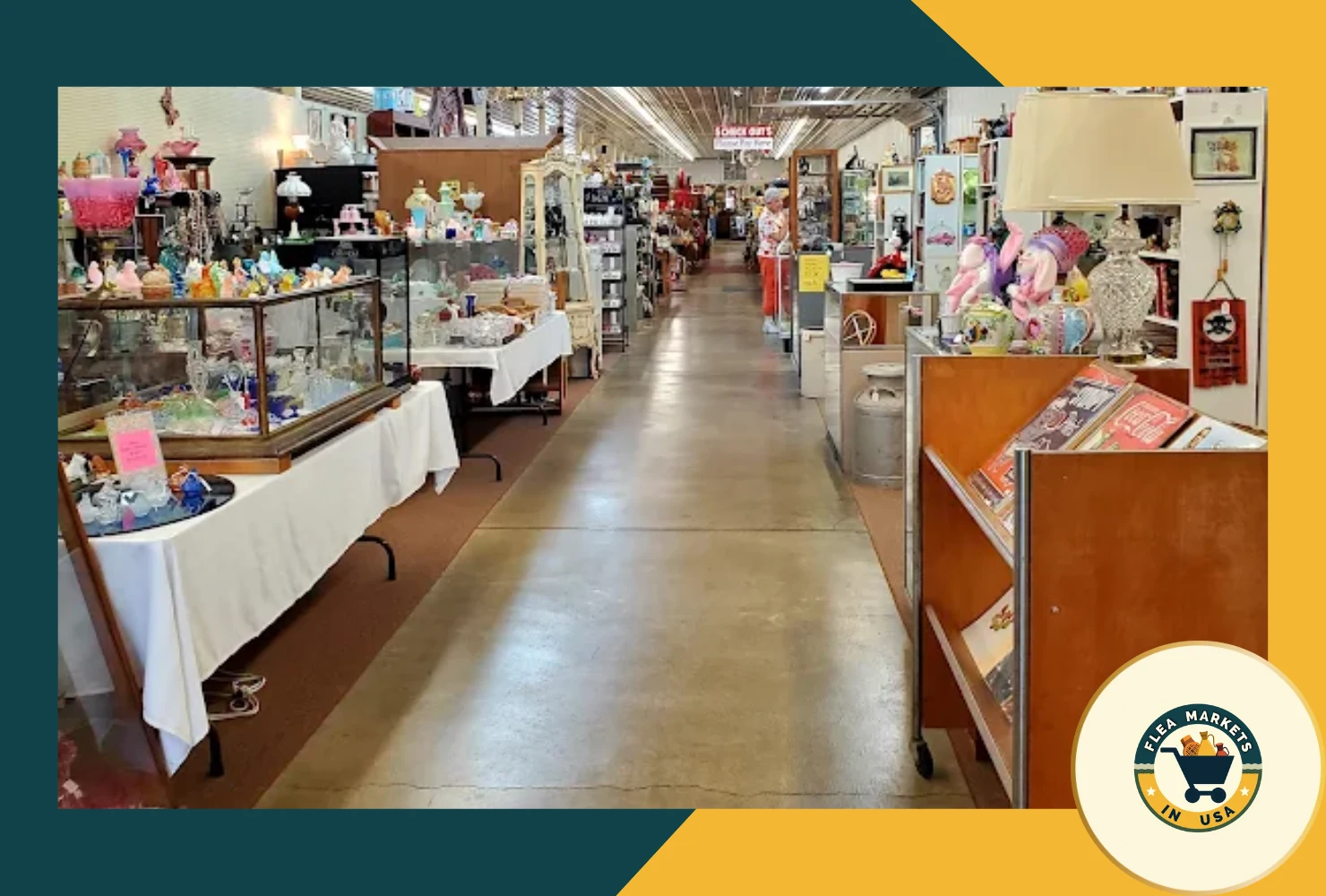
Chelsea Flea’s visual aesthetic, combining industrial architectural elements, vintage merchandise diversity, and carefully arranged displays—naturally photographs well. The market’s sunlit atrium features architectural details supporting compelling photography. Colorful vintage clothing racks, arranged artfully, create eye-catching backgrounds. Mid-century furniture pieces photograph dramatically, particularly when captured alongside urban architectural elements visible through windows. Artisan jewelry, handmade art pieces, and collectibles showcase detail and craftsmanship effectively in close-up photography.
Optimal photography timing occurs during morning hours when natural light streaming through windows creates flattering illumination without harsh shadows. The crowd-aware photographer targets specific vendor sections during less-congested times, typically 9:00-11:00 AM weekday mornings. Individual vendor consultation often grants permission for product photography in exchange for social media tagging and vendor credit attribution.
Content Creator and Influencer Dynamics
Chelsea Flea attracts content creators, fashion bloggers, and lifestyle influencers seeking authentic vintage content. The venue’s photogenic character, combined with diverse merchandise and energetic atmosphere, provides compelling visual material. Many vendors welcome influencer partnerships offering products in exchange for social media promotion. The authentic, unscripted nature of Chelsea Flea contrasts favorably with corporate sponsorship campaigns, appealing to influencers maintaining credibility with engaged audiences.
Payment Methods and Transaction Processes
Cash Versus Digital Payment Considerations
Chelsea Flea maintains diverse payment infrastructure reflecting vendor preferences and customer capabilities. While digital payment adoption continues expanding, cash remains highly relevant, particularly among older vendors and those conducting high-transaction-volume operations. Established guidance recommends carrying both cash and digital payment options. Cash transactions occasionally enable negotiation flexibility and modest discounts reflecting vendor transaction cost elimination. Digital payment (credit/debit cards, mobile payment platforms) accommodates visitors uncomfortable with large cash carries and provides purchase documentation.
Most contemporary vendors accept multiple payment methods, though asking beforehand prevents transaction complications. ATM access within Chelsea neighborhood is abundant, enabling cash withdrawal if digital-only visitors require currency. Some vendors operate mobile card readers, accommodating card transactions without fixed register infrastructure.
| Payment Method | Vendor Acceptance Rate | Negotiation Flexibility | Recommendations |
|---|---|---|---|
| Cash | ~85-95% | Higher | Carry small denominations ($20s, $50s) for easier transaction handling |
| Credit Cards | ~70-80% | Minimal | Check vendor acceptance before major purchases; some accept selectively |
| Debit Cards | ~70-80% | Minimal | Verify PIN capability; some vendors prefer credit |
| Mobile Payment (Venmo, PayPal) | ~30-40% | Moderate | More common among younger, artisan vendors |
| Checks | ~5-10% | N/A | Generally not recommended; rarely accepted |
Building Your Chelsea Flea Visiting Practice
First-Time Visitor Recommendations
Newcomers benefit from structuring initial visits for exploration rather than acquisition. Arrive early to survey booth layouts, identify vendor specializations, and understand merchandise organization. Document vendor locations and favorite booth sections through photography. Engage vendors in conversation regarding their backgrounds, merchandise sourcing, and collecting philosophies. Request business cards from vendors matching personal interests for future consultation. This reconnaissance approach establishes foundation for strategic subsequent visits focused on intentional acquisition.
Repeat Visitor Evolution and Community Integration
Experienced visitors develop relationships with favorite vendors through consistent engagement and demonstrated collecting interest. Many maintain wishlist communications with vendors, receiving notifications about incoming inventory matching interests. Repeat visitors often establish predictable schedules, developing routines around specific vendors, merchandise categories, or seasonal patterns. This community integration transforms Chelsea Flea from marketplace into social space where vendors and collectors maintain ongoing relationships supporting mutual collecting goals.
Integration with Broader New York Vintage and Antique Community
Comparison with Other Manhattan Venues
Chelsea Flea represents Manhattan’s most concentrated weekend marketplace experience, but the city supports diverse vintage venues serving different collector preferences. Midtown locations, East Village specialists, and Brooklyn alternatives each offer distinct inventories, atmospheres, and collector bases. Chelsea Flea’s Chelsea neighborhood location and robust weekend operation position it as primary Manhattan marketplace, particularly accessible to Manhattan residents and those utilizing transit infrastructure. Cross-venue collecting among serious collectors enables comparative shopping and specialized sourcing.
Frequently Asked Questions for Chelsea Flea Visitors
When does Chelsea Flea operate, and is it open year-round?
Is admission free, and are there hidden charges or parking fees?
What is the best time to visit for optimal selection and crowd avoidance?
How do I reach Chelsea Flea using public transportation?
Can I negotiate prices with vendors, and should I carry cash?
How can I apply to become a vendor at Chelsea Flea?
Are there specific items guaranteed to be available, or does vendor participation vary weekly?
Is Chelsea Flea suitable for families with children, and are there amenities?
What should I know about sizing, returns, and merchandise guarantees at vintage shops?
Can I photograph merchandise and vendors for social media, and are there restrictions?
Final Assessment: Why Chelsea Flea Merits Your Attention
Chelsea Flea Market transcends commodity retail, functioning as cultural institution, creative marketplace, and community gathering space in Manhattan’s most dynamic neighborhood. The concentrated vendor expertise, diverse merchandise, consistent operation, and authentic New York character create experiences rewarding both dedicated collectors and casual browsers. Whether pursuing specific vintage acquisitions, discovering unique home furnishings, supporting independent artisans, or simply immersing oneself in Manhattan’s creative energy, Chelsea Flea delivers consistently valuable experiences. The marketplace preserves and promotes sustainable consumption values, supporting artisans and small vendors within Manhattan’s premium real estate environment. The community dimension, relationships between vendors, returning customers, and fellow collectors, creates belonging and shared purpose beyond commercial transaction. For anyone spending time in New York or willing to travel for serious vintage shopping, Chelsea Flea deserves regular visitation and sustained engagement. The market epitomizes what makes New York unique, authentic, creative, accessible, and deeply connected to material culture representing historical preservation and contemporary aesthetic values.