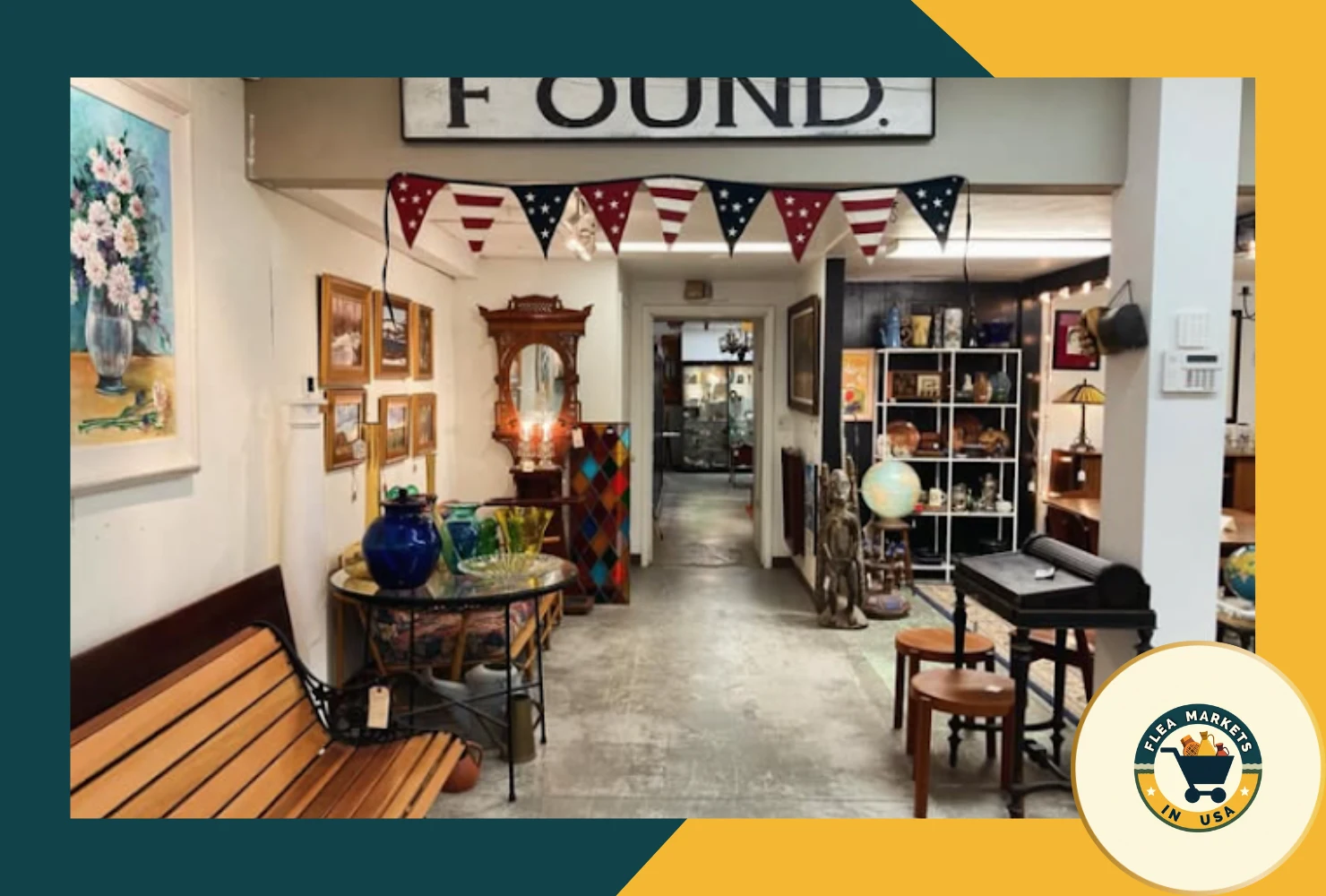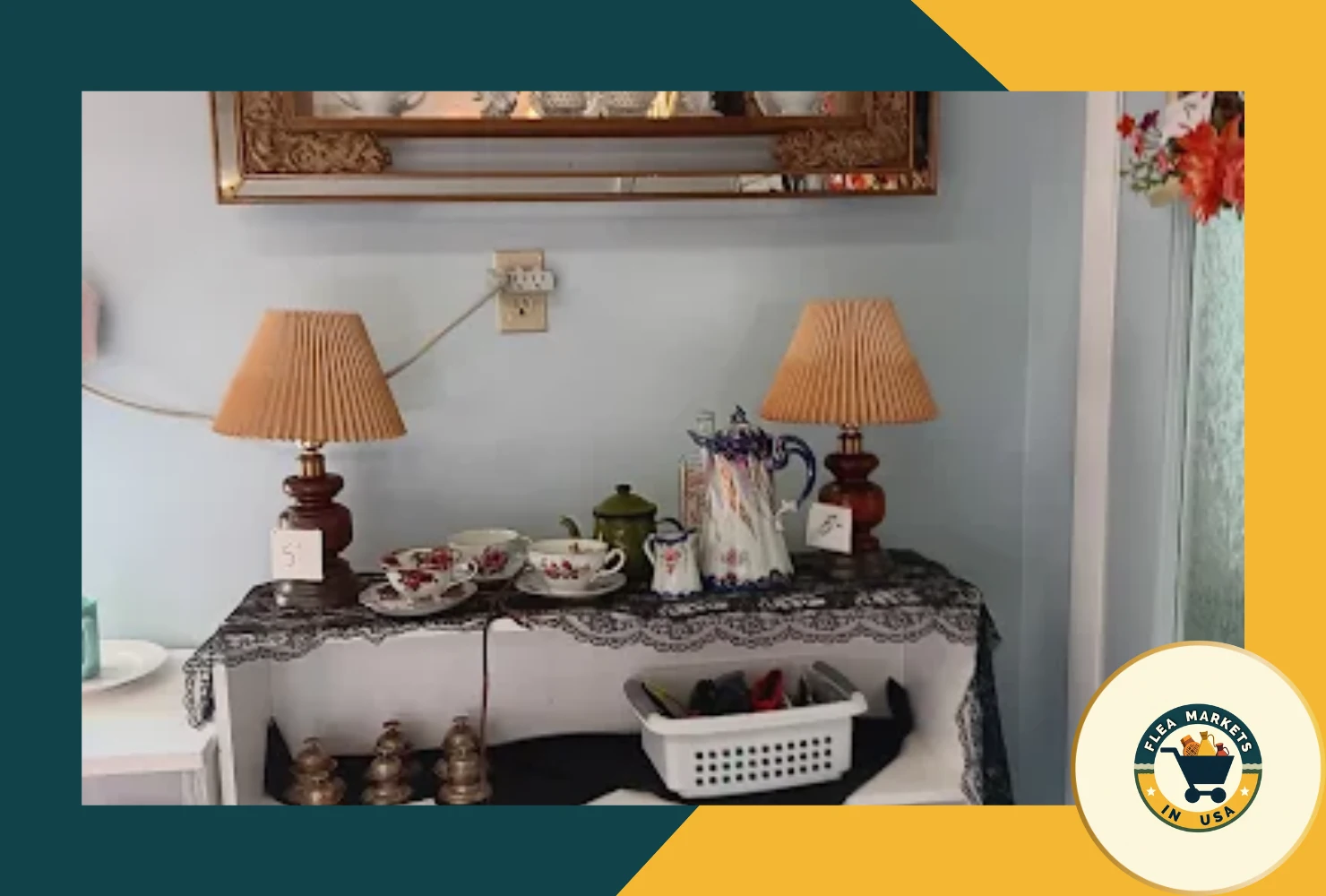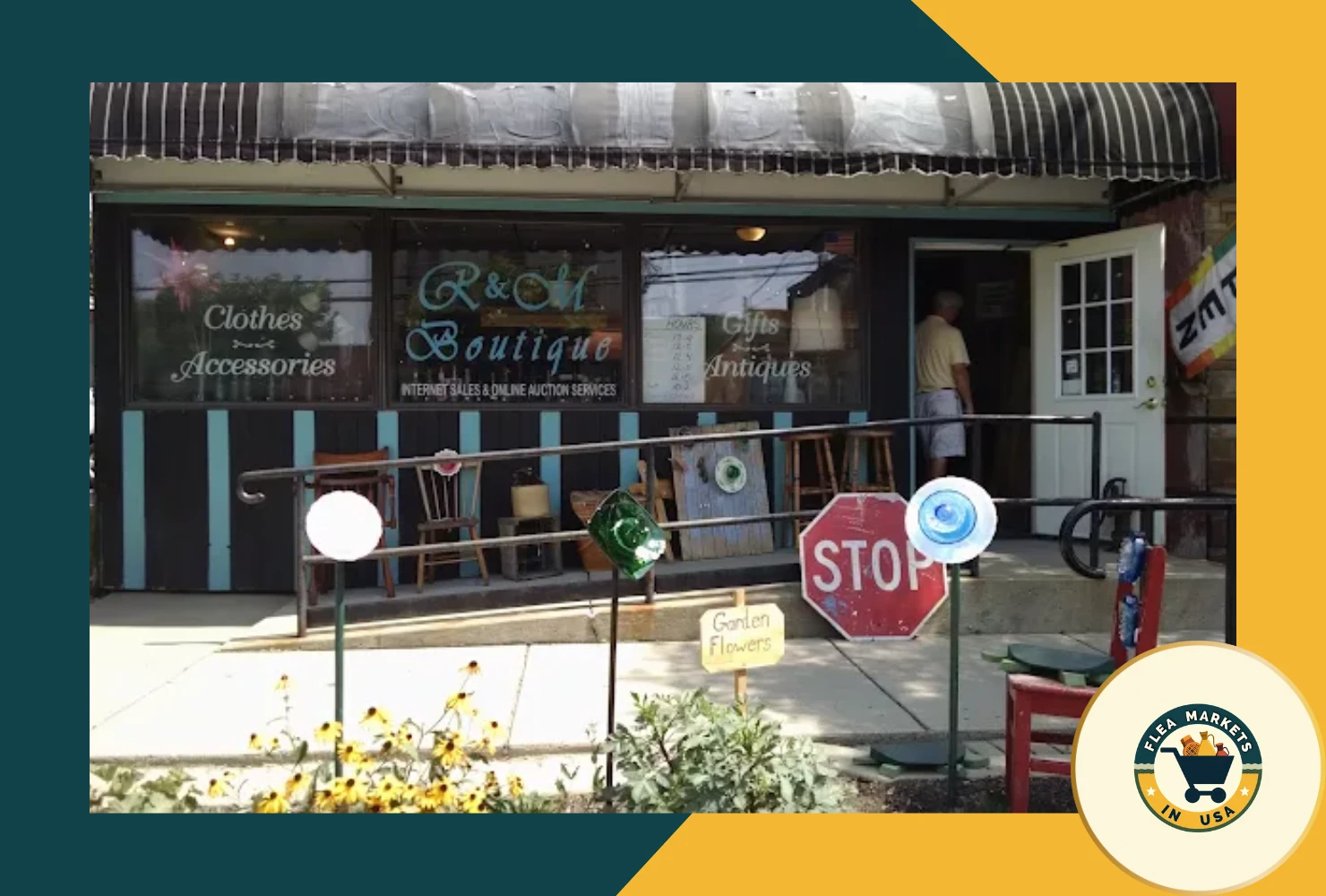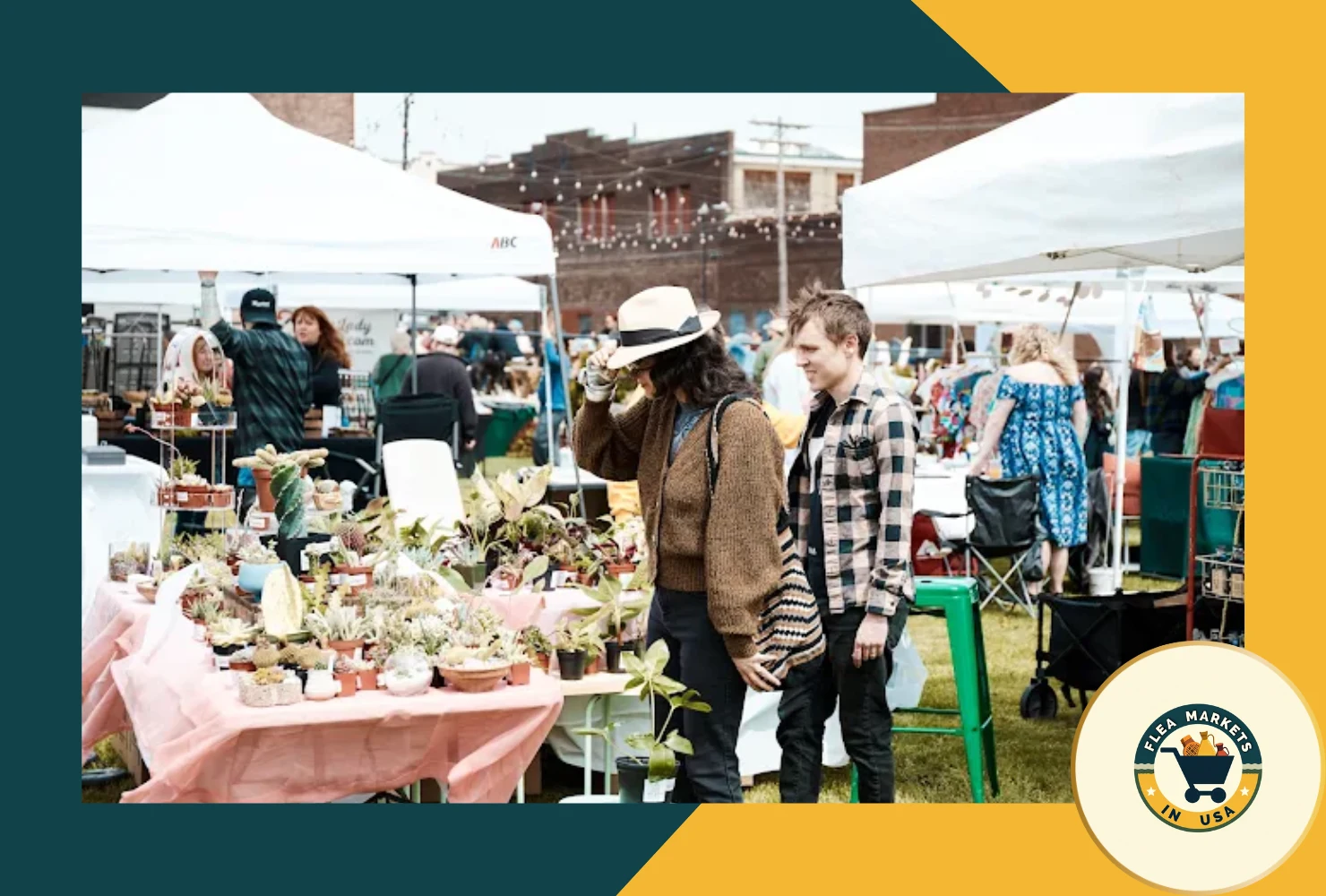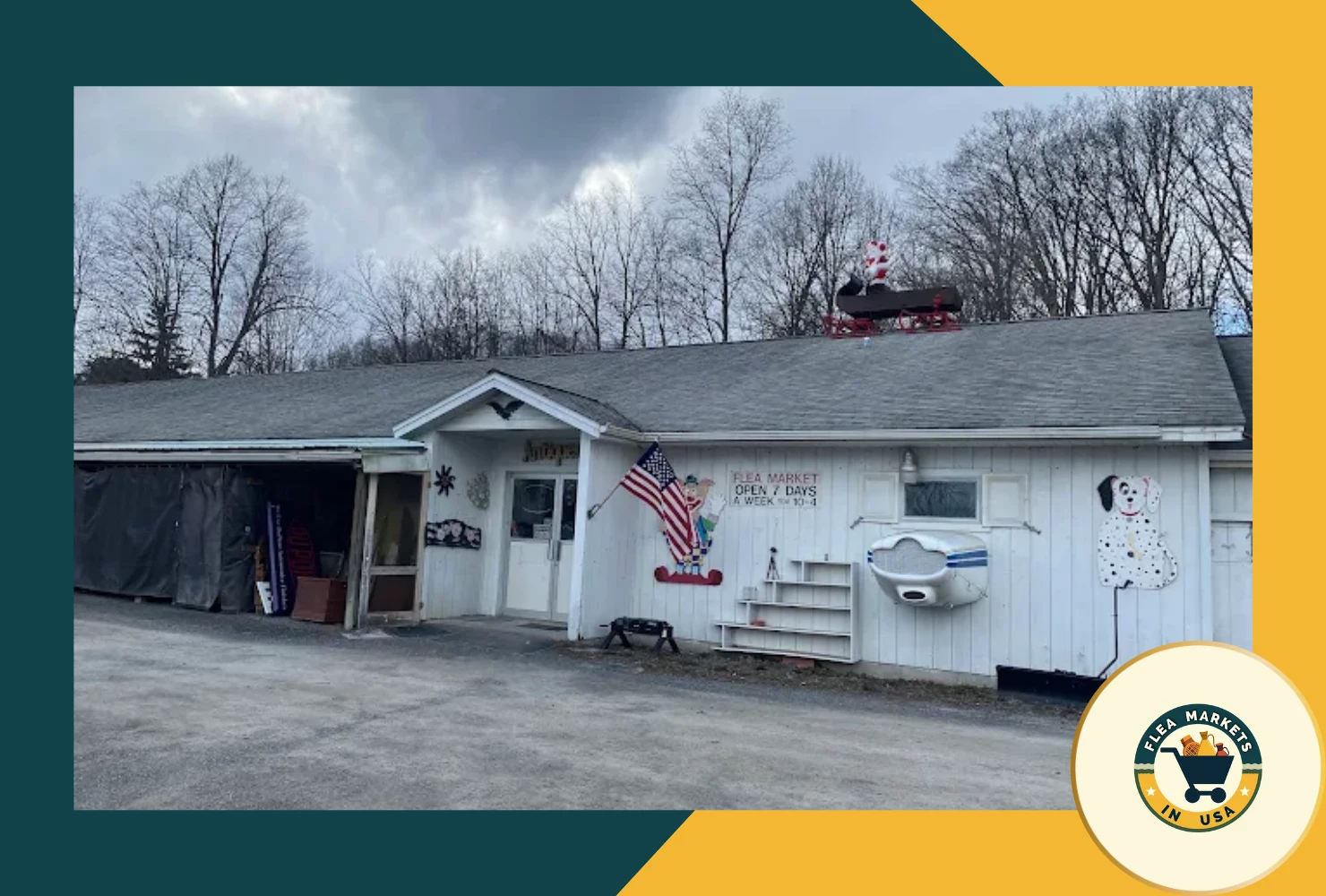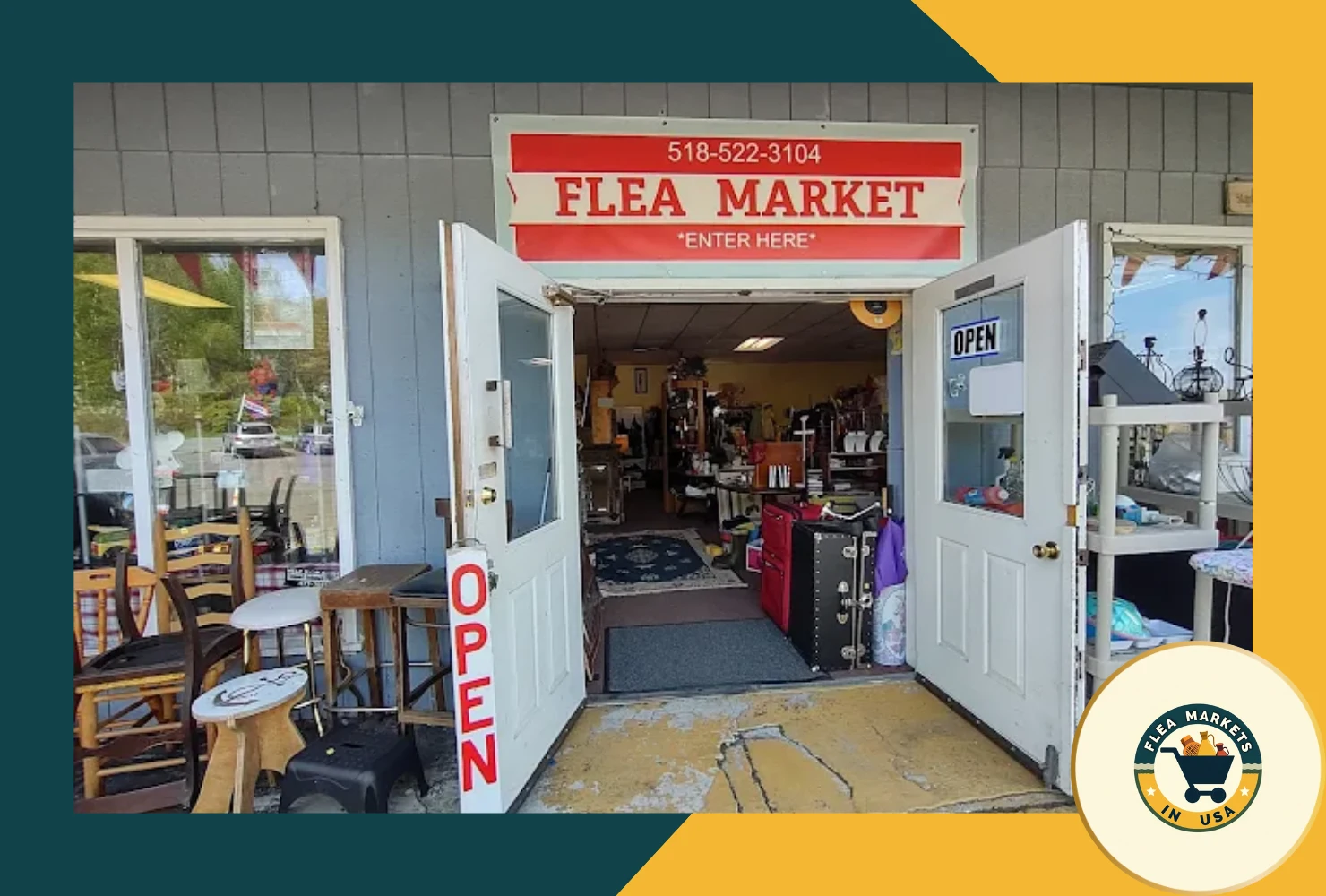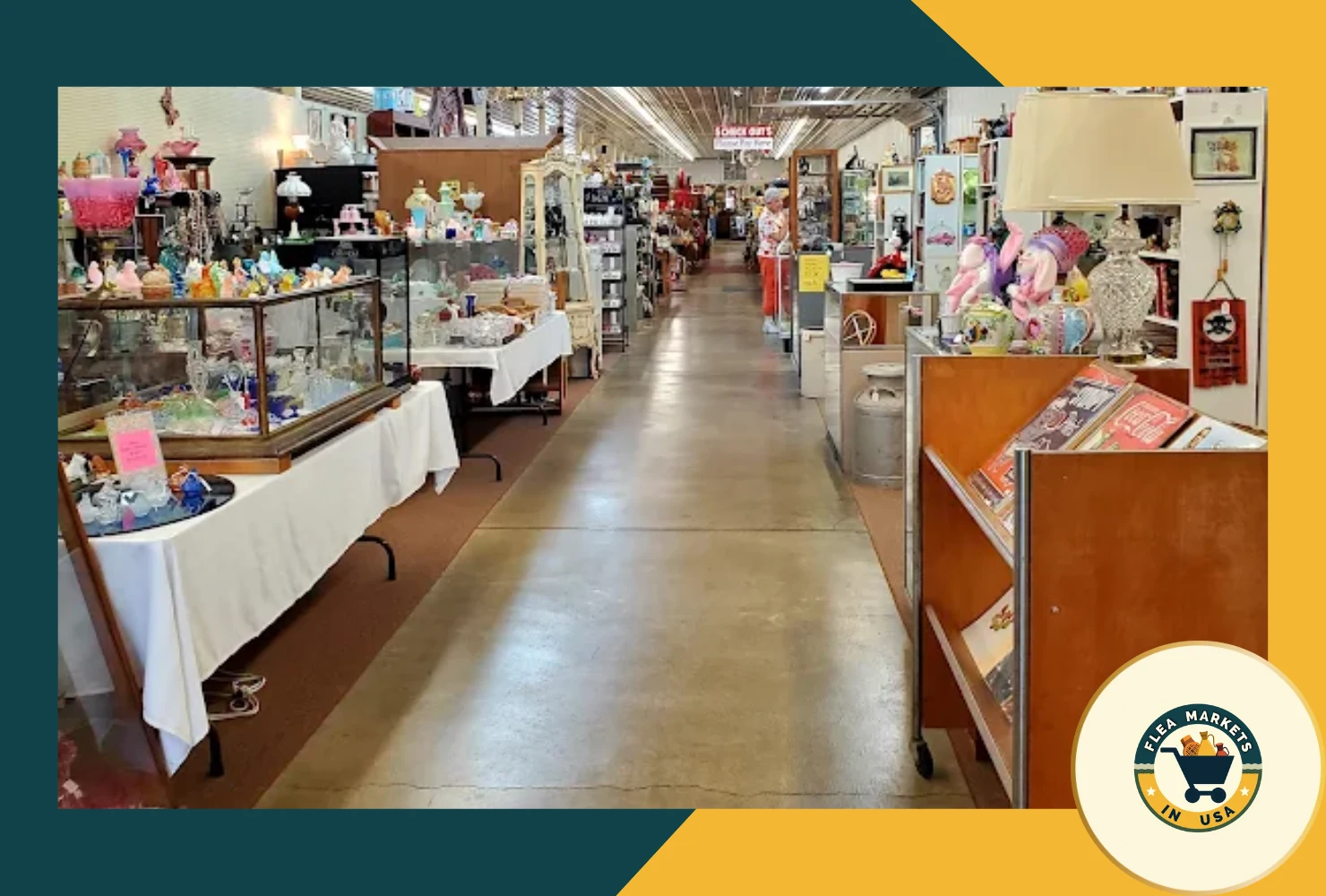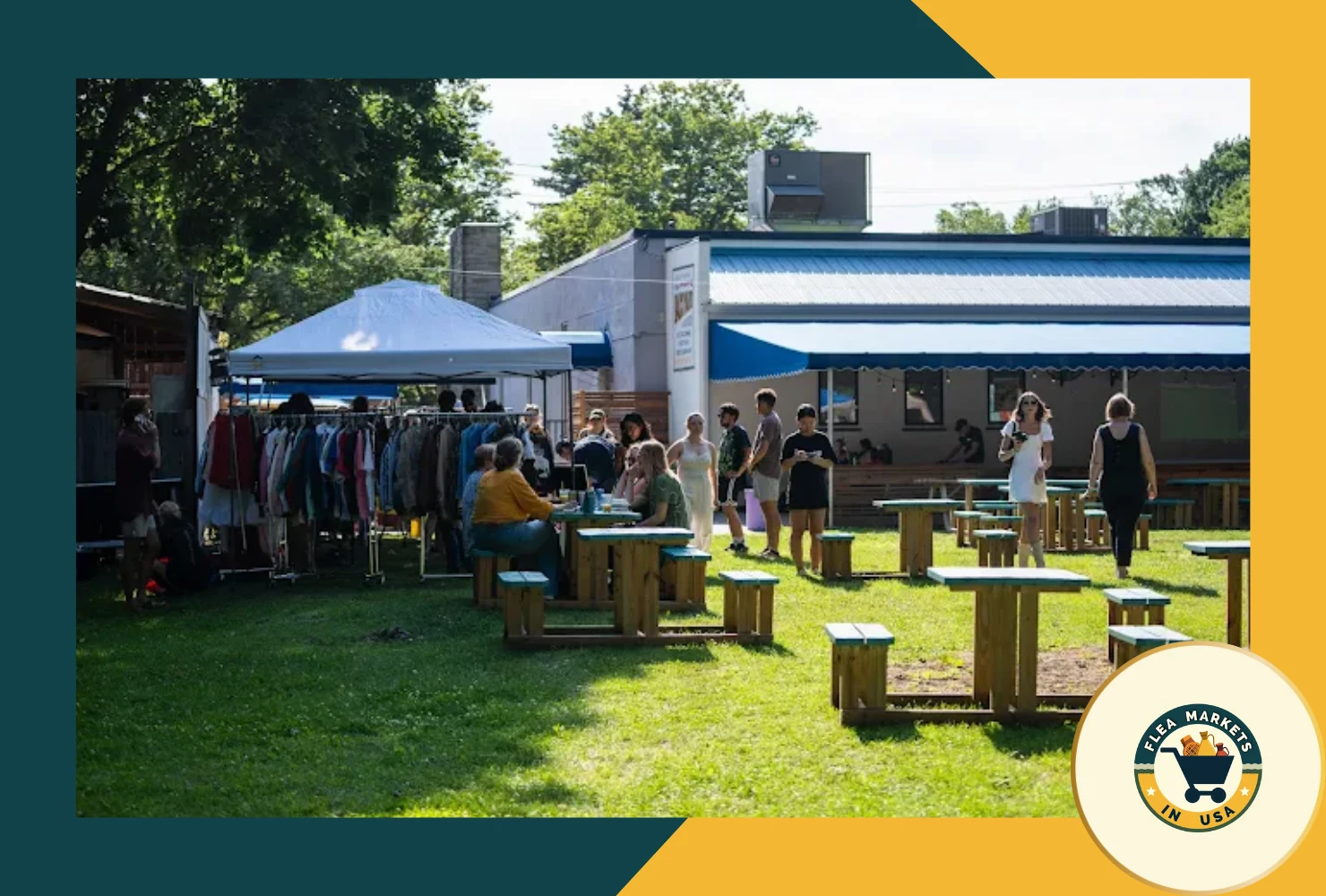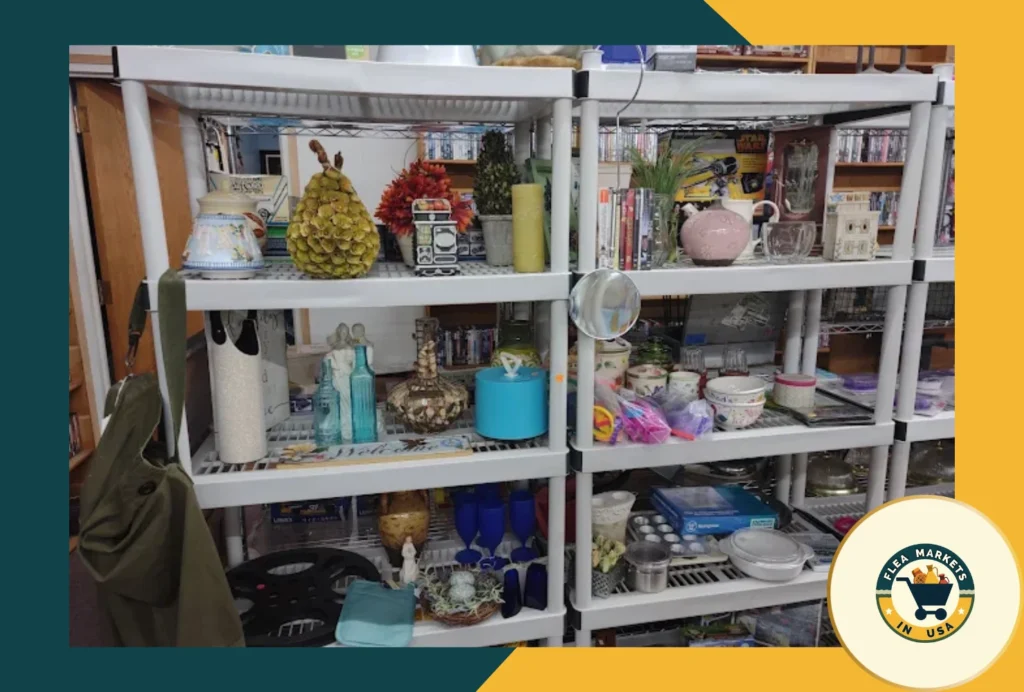
Charlotte Flea Market operates as Rochester’s most consistently accessible marketplace destination, distinguishing itself through seven-day-per-week operations serving collectors, bargain hunters, families, and casual browsers throughout the calendar year. Located at 4421 Lake Ave, this sprawling venue combines indoor and outdoor spaces accommodating diverse seasonal conditions and vendor types. You might also enjoy Newburgh Vintage Emporium and Bob Williams Enterprises LLC for further treasure hunting. The market represents Rochester’s authentic commercial culture, connecting established antique dealers with emerging artisans, local agricultural producers, and vintage enthusiasts seeking human-centered commerce distinct from corporate retail experiences. Discover more flea-market hotspots across New York on Flea Markets in New York. The year-round operation addresses practical marketplace reality collectors hunt continuously rather than seasonally, families need flexible shopping windows, and vendors require consistent economic opportunity.
Table of Contents
ToggleUnderstanding Daily Operations and Seasonal Accessibility
Consistent Seven-Day-Per-Week Schedule
| Day | Operating Hours | Activity Level | Vendor Participation | Optimal Visiting Window |
|---|---|---|---|---|
| Monday | 10 AM–6 PM | Moderate | Regular vendors | Mid-afternoon quiet |
| Tuesday | 10 AM–6 PM | Moderate | Consistent core group | Afternoon exploration |
| Wednesday | 10 AM–6 PM | Light | Standard participation | Quiet browsing |
| Thursday | 10 AM–6 PM | Increasing | Expanding selection | Evening shopping |
| Friday | 10 AM–6 PM | Heavy | Peak weekly participation | After-work hours |
| Saturday | 10 AM–6 PM | Peak | Maximum vendor attendance | Morning early-bird advantage |
| Sunday | 10 AM–6 PM | High | Strong participation | Afternoon family time |
Charlotte’s unwavering daily commitment eliminates marketplace variability frustrating collectors requiring flexible scheduling. Weekday visitors discover manageable crowds enabling unhurried browsing and vendor conversations. Weekend energy builds progressively throughout the week, culminating in Saturday-Sunday peak activity. Extended 10 AM–6 PM hours accommodate morning shoppers, lunch-hour browsers, and evening visitors unable to attend traditional daytime market hours. This comprehensive accessibility distinguishes Charlotte from markets requiring advance planning around specific weekend dates or limited operating windows.
Transportation and Accessibility Infrastructure
Free On-Site Parking and Vehicle Convenience
Charlotte Flea Market provides ample free on-site parking positioned conveniently adjacent to market entrances, eliminating parking frustration typical of urban markets. The spacious lot accommodates both standard vehicles and larger transportation including RVs and vendor trailers. Clearly marked spaces and maintained surfaces ensure visitor safety and convenient access. Parking availability remains consistent throughout operating hours even during peak Saturday-Sunday activity. This parking emphasis demonstrates market management prioritization of visitor convenience, recognizing that transportation stress discourages attendance despite compelling merchandise selection.
Public Transportation Connectivity via RTS Bus Routes
Rochester Transit Service bus routes 16 and 18 service the Lake Ave corridor, positioning Charlotte Flea Market accessibly for visitors without personal vehicles. Bus stop proximity eliminates multi-block walking distances, supporting elderly visitors, disabled shoppers, and anyone preferring public transit. Service frequency enables reasonable connection timing for regional visitors combining market visits with other community activities. This public transportation commitment democratizes participation, welcoming all community members regardless of transportation resources.
Mixed Indoor-Outdoor Infrastructure Supporting Year-Round Operation
The combination of covered indoor spaces and open-air vendor areas enables comfortable shopping throughout Rochester’s diverse seasonal conditions. Winter weather protection indoors accommodates cold-weather shopping while outdoor areas support spring-summer peak season gatherings. This infrastructure investment demonstrates commitment to operational consistency regardless of weather challenges. The mixed-space design accommodates both perishable goods requiring controlled environments and durable merchandise benefiting from natural light exposure.
The Vendor Ecosystem: Specialization and Entrepreneurial Diversity
Rust & Pearl Handmade Jewelry: Artisan Craftsmanship and Sustainable Materials
Rust & Pearl Handmade Jewelry features jewelry designed and produced on-site using sustainable, eco-friendly materials. Traditional metalworking techniques combine with contemporary design, creating pieces balancing historical craftsmanship with modern sensibilities. Local inspiration drives design philosophy reflecting Rochester heritage. Customers appreciate transparent sourcing and understand material composition. On-site production enables custom commissions allowing personal collaboration. The booth demonstrates how flea markets support emerging designers lacking gallery access.
Antique Alley: Furniture Authentication and Period Specialization
Antique Alley specializes in authenticated period furniture spanning multiple centuries and styles, appealing to collectors and restoration enthusiasts. Detailed knowledge regarding wood species, manufacturing techniques, and construction methods supports customers evaluating condition requirements. Timeless furniture emphasizes functional pieces offering genuine utility alongside historical value. Rare collectibles attract specialist collectors seeking documented provenance. The vendor maintains restoration relationships, offering consultation regarding appropriate preservation approaches.
Honey Haven: Local Apiculture and Bee Product Specialization
Honey Haven aggregates products from Rochester-area beekeepers, presenting comprehensive honey, beeswax, and propolis offerings. Raw, unfiltered honey retains pollen and enzymes absent from commercial processing. Seasonal variations reflect wildflower availability spring tastes light and floral, summer produces darker varieties. Beeswax products demonstrate complete hive utilization. The vendor maintains educational materials regarding bee health importance and sustainable practices.
Additional Vendor Categories and Marketplace Diversity
| Vendor Type | Merchandise Focus | Typical Pricing | Customer Appeal | Seasonal Pattern |
|---|---|---|---|---|
| Vintage Clothing Dealers | Retro fashion, accessories | Bargain to mid-range | Fashion enthusiasts, costumers | Year-round consistent |
| Used Book Vendors | Vintage to contemporary | Budget-friendly | Readers, collectors | Steady year-round |
| Home Décor Artisans | Handmade goods, textiles | Artisan premium | Interior decorators | Seasonal peaks |
| Local Farmers | Produce, prepared foods | Farm-direct pricing | Food enthusiasts | Seasonal abundance |
| Collectible Specialists | Period-specific items | Variable premiums | Serious collectors | Consistent participation |
Strategic Shopping Approaches for Maximum Value Discovery
Timing Visits for Optimal Selection and Negotiation
Weekday mid-afternoon visits between 2:00–4:00 PM provide optimal conditions for unhurried browsing, minimal crowds, and maximum vendor availability for detailed conversations. Saturday mornings arriving immediately at 10:00 AM opening capture complete inventory before popular items sell. Late-evening browsing after 5:00 PM occasionally reveals clearance-minded vendors reducing selection toward closing, sometimes offering negotiation opportunities on remaining merchandise. Understanding these timing dynamics enables collectors to align visits with specific shopping goals and personal schedules.
Cash Advantages and Relationship Building
Carrying prepared cash enables transaction simplicity while demonstrating vendor support avoiding payment processing fees. Bulk purchases frequently attract informal discounts buying multiple items together often qualifies for 5-10% reductions unavailable for single transactions. Building vendor relationships through repeat visits establishes goodwill translating into reserved inventory notifications and advance alerting regarding items matching established interests. Long-standing customers often receive first access to arriving inventory before general booth opening.
Documentation and Photography-Based Selection
Photographing interesting items permits offline evaluation and home visualization before committing to purchases requiring transportation. Maintaining organized files by collecting interest kitchen equipment, vintage glassware, antique furniture guides future visits with clear purchasing intentions. Taking vendor contact information enables follow-up regarding custom commissions, special orders, or future arrivals matching documented interests.
Exploring Product Categories and Collection Pathways
Antique Furniture: Functional History and Design Heritage
Victorian-era furniture appeals to period home enthusiasts seeking authentic parlor and bedroom pieces reflecting ornate nineteenth-century craftsmanship and design traditions. Mission oak attracts Arts and Crafts movement admirers valuing sustainable wood species and hand-joinery techniques emphasizing quality materials and construction. Mid-century modern selections serve contemporary homes incorporating vintage elements blending retro aesthetics with modern functionality. Industrial furniture appeals to modern minimalists combining vintage functionality with contemporary aesthetics. Proper condition assessment and authentication knowledge prove critical before significant purchases requiring substantial investment.
Vintage Textiles, Clothing, and Wearable Arts
Antique quilts attract textile historians and decorators seeking authentic period examples demonstrating regional variations and traditional craftsmanship. Vintage clothing appeals to fashion designers, costume enthusiasts, and retro style advocates seeking authentic period garments. Handmade jewelry offers personal adornment combining historical substance with artistic merit and unique design. These categories offer affordable entry points for developing collectors establishing foundational knowledge before pursuing higher-value pieces.
Jewelry and Personal Adornment Specialization
Fine jewelry including estate pieces and designer works appeal to gift shoppers and personal collectors seeking quality and investment potential. Handcrafted contemporary jewelry from artisans like Rust & Pearl demonstrates emerging design directions and sustainable material practices. Vintage costume jewelry attracts fashion-focused collectors. Understanding quality indicators precious metal content, gemstone characteristics, craftsmanship details prevents costly mistakes.
Collectible Categories and Niche Specializations
Vintage glassware collections spanning Depression glass to art glass appeal to pattern enthusiasts developing specialized knowledge. Antique coins and currency attract numismatists and history enthusiasts. Vintage signage and advertising memorabilia appeal to nostalgia-driven decorators. These specialized categories attract dedicated collectors developing deep expertise within focused areas.
Building Genuine Community Through Consistent Marketplace Presence
Vendor-Customer Relationships Through Regular Interaction
Daily operations enable relationship development unavailable in limited-schedule markets. Regular customers develop vendor familiarity, with merchants learning preferences and alerting patrons about specific items matching established collecting interests. Personal stories behind merchandise vendor acquisition narratives, previous ownership contexts, craftsmanship details enrich items beyond monetary value. Multi-year relationships create genuine friendships transcending typical retail interactions. Vendors often reserve items for favorite customers or provide first notification about arriving inventory matching documented interests.
Family Traditions and Multi-Generational Participation
Families establishing regular market visits create lasting traditions and bonding experiences around shared exploration and discovery. Grandparents introduce younger generations to authentic shopping, teaching consumer wisdom and negotiation skills. Children learn vendor diversity and appreciate how entrepreneurs support themselves through creative commerce. These traditions establish lifelong habits recognizing community commerce value beyond corporate retail convenience. Many families return weekly or regularly for coffee, conversation, and browsing combined with social connection.
Market as Community Gathering and Social Intersection
Beyond commercial transactions, the market functions as social gathering where neighbors reconnect, friends coordinate meetups, and community members engage. The relaxed atmosphere encourages lingering conversations, spontaneous interactions, and serendipitous connections among shared-interest participants. Many visitors prioritize social experiences alongside shopping, arriving early for coffee and conversation before browsing. The marketplace transcends commerce, becoming Rochester institution serving social and cultural functions equally important as commercial transactions.
Seasonal Market Dynamics and Inventory Variations
Spring Renewal: March Through May
Spring brings renewed outdoor vendor participation and expanded booth variety. New artisans launch seasonal operations. Garden-related décor emerges. Extended daylight enables evening browsing.
Summer Peak Season: June Through August
Vacation schedules drive family visits. Weather supports maximum vendor participation. Product diversity peaks with agricultural availability. Market atmosphere reaches annual vibrancy.
Autumn Transitions: September Through November
Harvest abundance drives agricultural enthusiasm. Seasonal décor shifts toward autumn themes. Cooler temperatures restore comfortable shopping. Holiday-preparation purchasing patterns emerge.
Winter Persistence: December Through February
Holiday shopping creates gift-focused purchasing. Post-holiday sales introduce bargain inventory. Indoor spaces provide weather protection. Winter represents committed customer engagement.
Photography and Digital Documentation Opportunities
Capturing Market Aesthetic for Visual Platforms
Morning light illuminates vintage furniture with rich textures revealing aged patina and craftsmanship details. Jewelry displays sparkle under natural light, revealing material quality and artistic nuance. Rustic booth arrangements create naturally photogenic compositions without artificial styling. Vendor personalities alongside merchandise humanize market documentation.
Creating Engaging Educational Content
Vendor interview content discussing sourcing practices, production philosophies, and business origins create compelling educational material. Before-and-after photography revealing restoration transformations educates followers regarding preservation practices. Seasonal comparison photography documents market evolution throughout the year, illustrating vendor diversity and inventory variations.
Vendor Registration and Community Economic Participation
Accessible Vendor Application Process
The market welcomes new vendors through straightforward registration accommodating emerging businesses and established operators. The official vendor page explains booth space availability, rental terms, and participation requirements. Supportive management ensures vendors receive fair visibility and consistent customer traffic. The vendor-friendly philosophy attracts diverse participants from established dealers to emerging artisans.
Success Factors for Sustained Vendor Operations
Consistent booth attendance builds customer recognition and expectation. Quality merchandise presentation and honest pricing establish dealer reputation. Engagement with customers distinguishing successful vendors from indifferent operators. Regular inventory rotation maintains freshness while responding to actual seasonal availability and collecting trends.
Regional Market Connections and Comparative Alternatives
Newburgh Vintage Emporium: Alternative Regional Destination
Newburgh Vintage Emporium offers distinct vendor communities and inventory emphasis. Geographic variation across the region enables comprehensive antique touring. Different operational models accommodate various collecting approaches and schedule preferences.
Bob Williams Enterprises LLC: Complementary Market Options
Bob Williams provides alternative vendor specialties and merchandise categories. Multi-venue market touring maximizes collector exposure to diverse inventory and entrepreneurial diversity. Strategic itinerary planning permits visiting multiple destinations within single weekend excursions.
FAQ Section: Daily Market Reference Guide
What are Charlotte Flea Market’s complete operating hours throughout the week?
The market operates daily from 10 AM–6 PM, seven days weekly, year-round without seasonal closures.
Is entry to Charlotte Flea Market completely free without age restrictions or shopping requirements?
Yes, admission is entirely free with no age limitations, membership requirements, or minimum purchase obligations.
Are leashed pets permitted throughout the market grounds and vendor spaces?
Pets on leashes are generally welcome; confirming vendor comfort before entering specific booths respects individual preferences.
What payment methods do vendors accept for purchases throughout the market?
Most vendors accept both cash and card payments, though cash often brings negotiation advantages and vendor appreciation.
How can aspiring vendors apply for booth space at Charlotte Flea Market?
Interested sellers should access the official vendor registration page or contact market management with business information.
Is public transportation genuinely viable without personal vehicles for reaching the market?
Yes, RTS bus routes 16 and 18 service the location with convenient stops supporting comfortable market access.
Does the market maintain year-round consistent operations or seasonal closure periods?
The market operates year-round daily with mixed indoor-outdoor infrastructure supporting comfortable shopping throughout all seasons.
Are larger purchases like furniture accommodated with vendor contact information or special arrangements?
Many vendors welcome direct relationships for custom orders, future availability notification, and special purchasing arrangements.
Can I photograph vendors, merchandise, and market scenes for personal documentation or social media?
Photography is generally welcomed; respectfully discussing content usage with vendors demonstrates courtesy and maintains positive relationships.
Does the market offer seasonal discounts or end-of-day clearance opportunities on remaining inventory?
Many vendors offer modest discounts on bulk purchases; late-evening browsing occasionally reveals clearance-minded vendors negotiating pricing.
Why Charlotte Flea Market Remains Rochester’s Marketplace Anchor
The market transcends typical commercial functions, embedding itself within Rochester’s social fabric as gathering place, entertainment destination, and economic opportunity venue. Daily operations provide unmatched accessibility and community service. Year-round consistency removes seasonal variability frustrating collectors and casual shoppers. Vendor diversity reflects Rochester’s cultural pluralism with entrepreneurs from varied backgrounds. Free admission and parking eliminate financial barriers to participation. The mixture of indoor-outdoor infrastructure ensures comfortable shopping regardless of seasonal conditions. These qualities distinguish Charlotte as Rochester’s most reliable marketplace institution.
Planning Your Charlotte Flea Market Experience
Whether seeking specific collectibles, discovering unexpected treasures, supporting local artisans, or enjoying authentic community atmosphere, Charlotte Flea Market delivers consistent memorable experiences. Seven-day accessibility accommodates diverse personal schedules. Year-round operations eliminate seasonal limitations. Free admission removes financial barriers. Convenient parking and public transportation support inclusive participation. Regular visits compound community knowledge, vendor relationships, and collecting satisfaction distinguishing successful flea market engagement from casual shopping experiences.