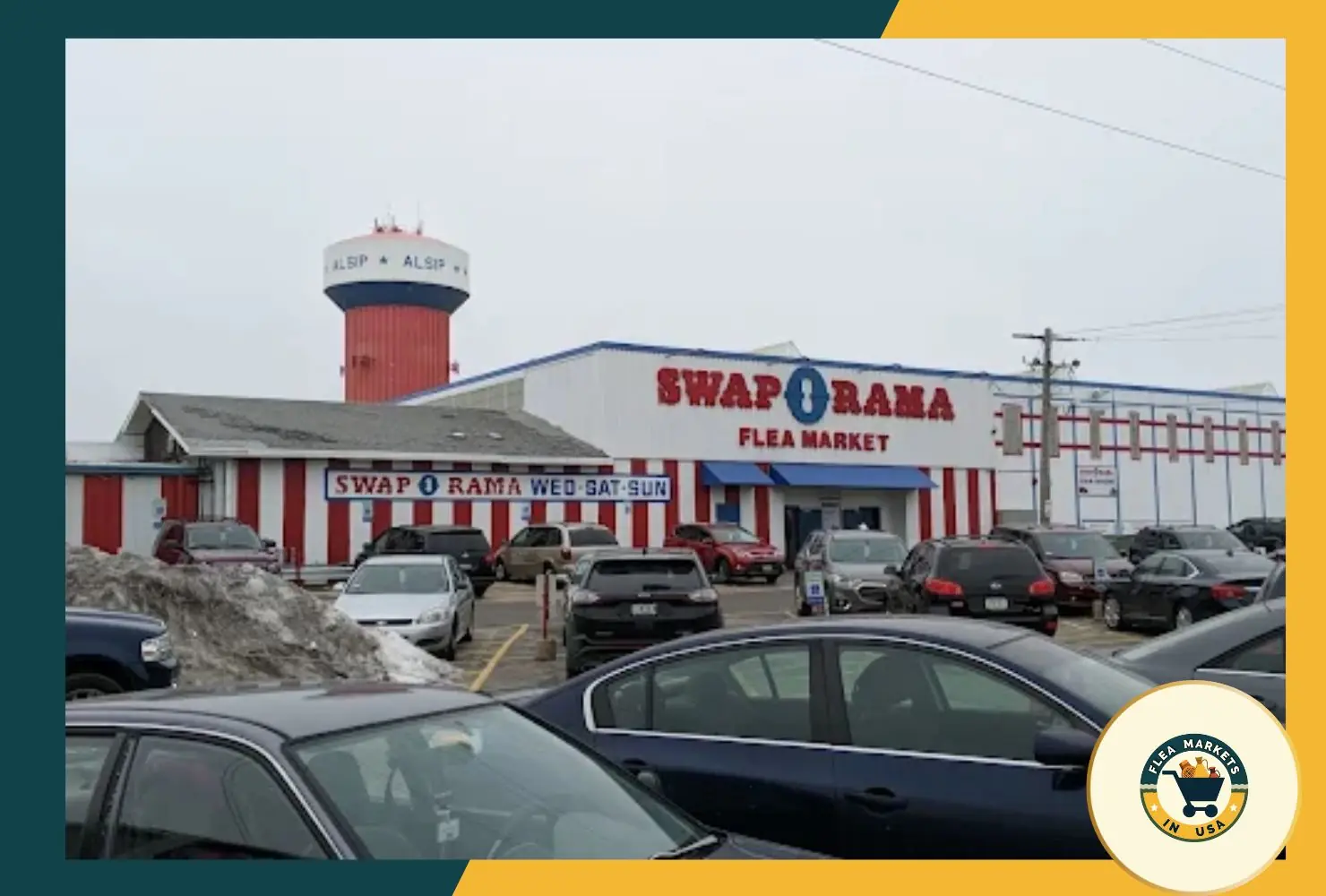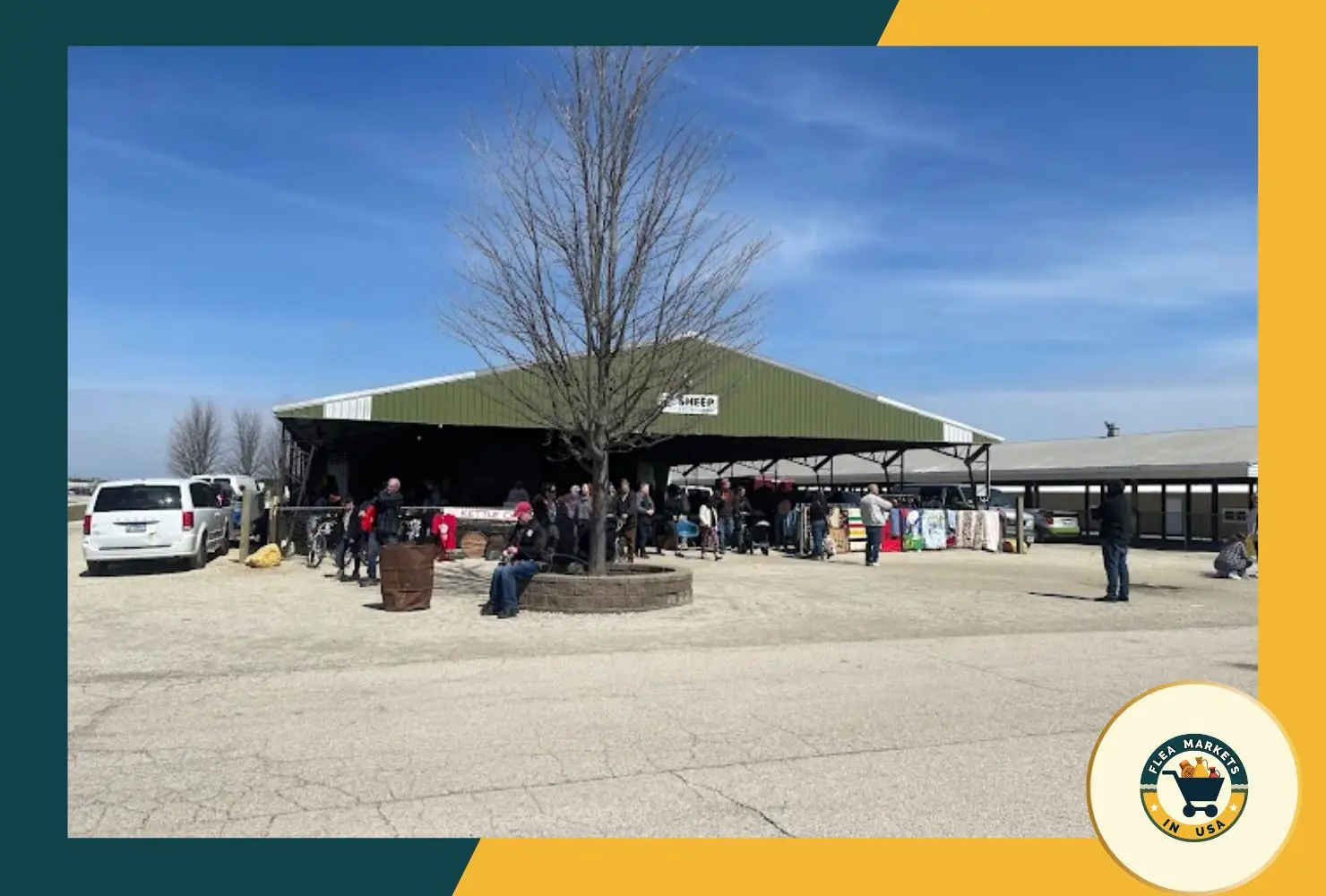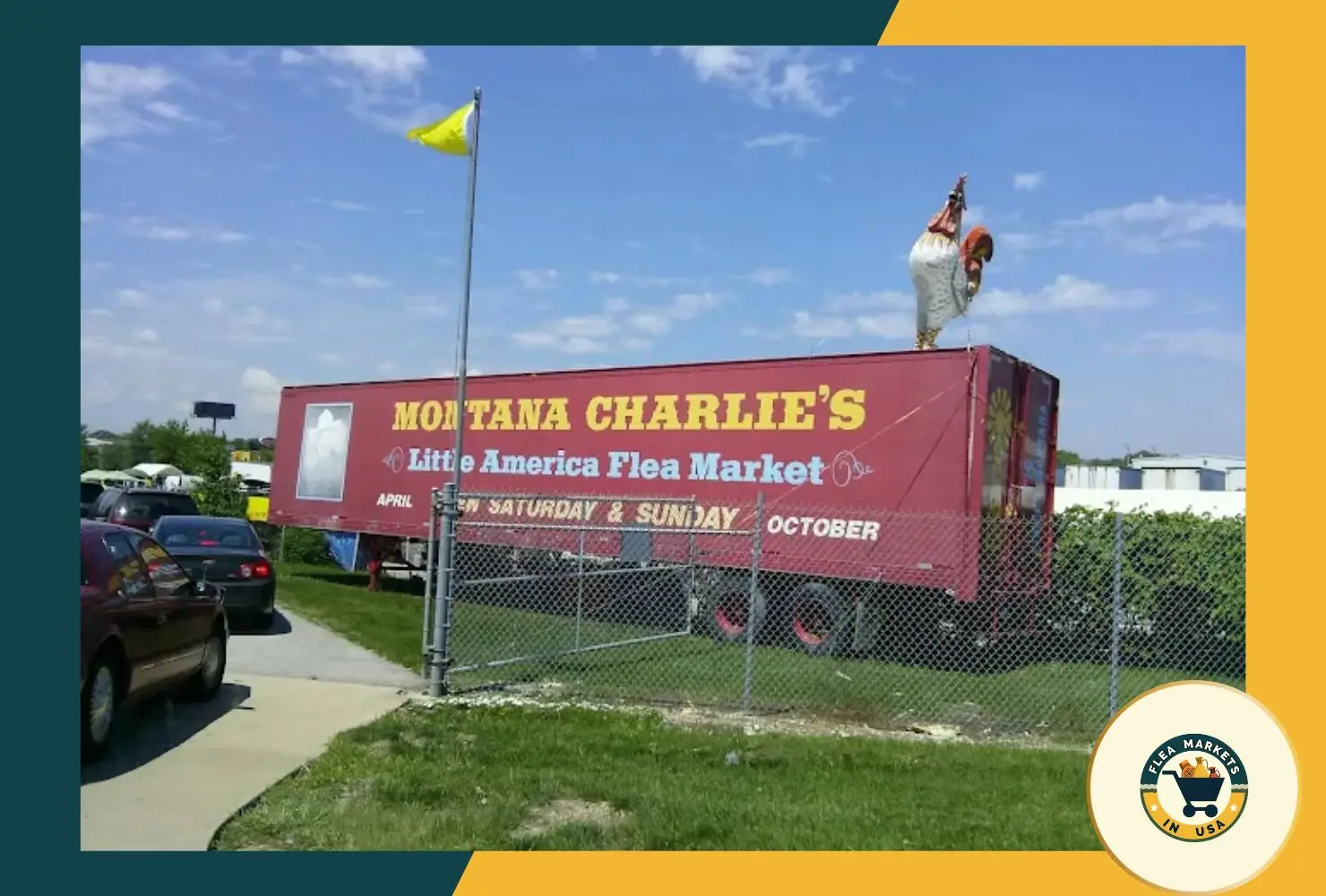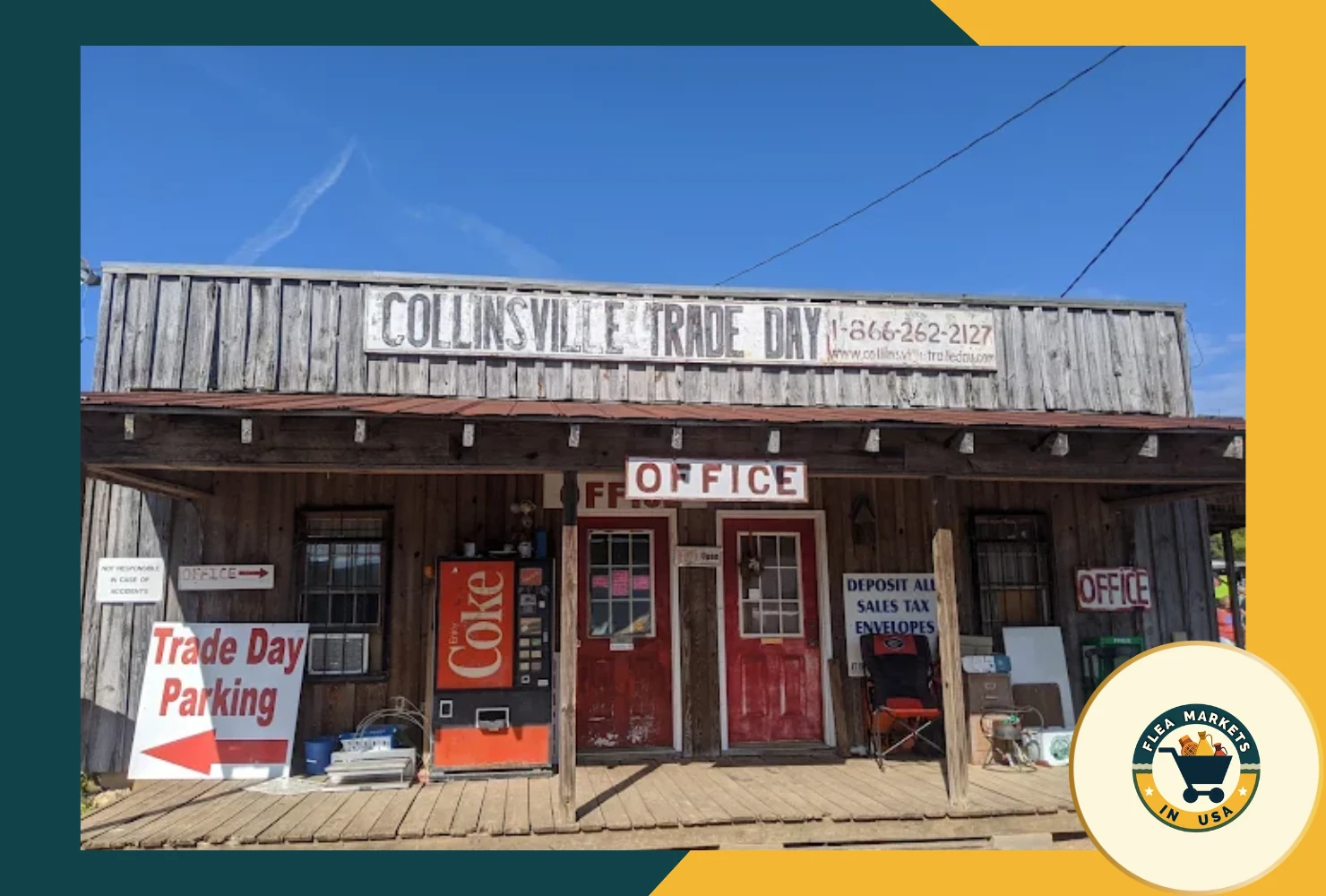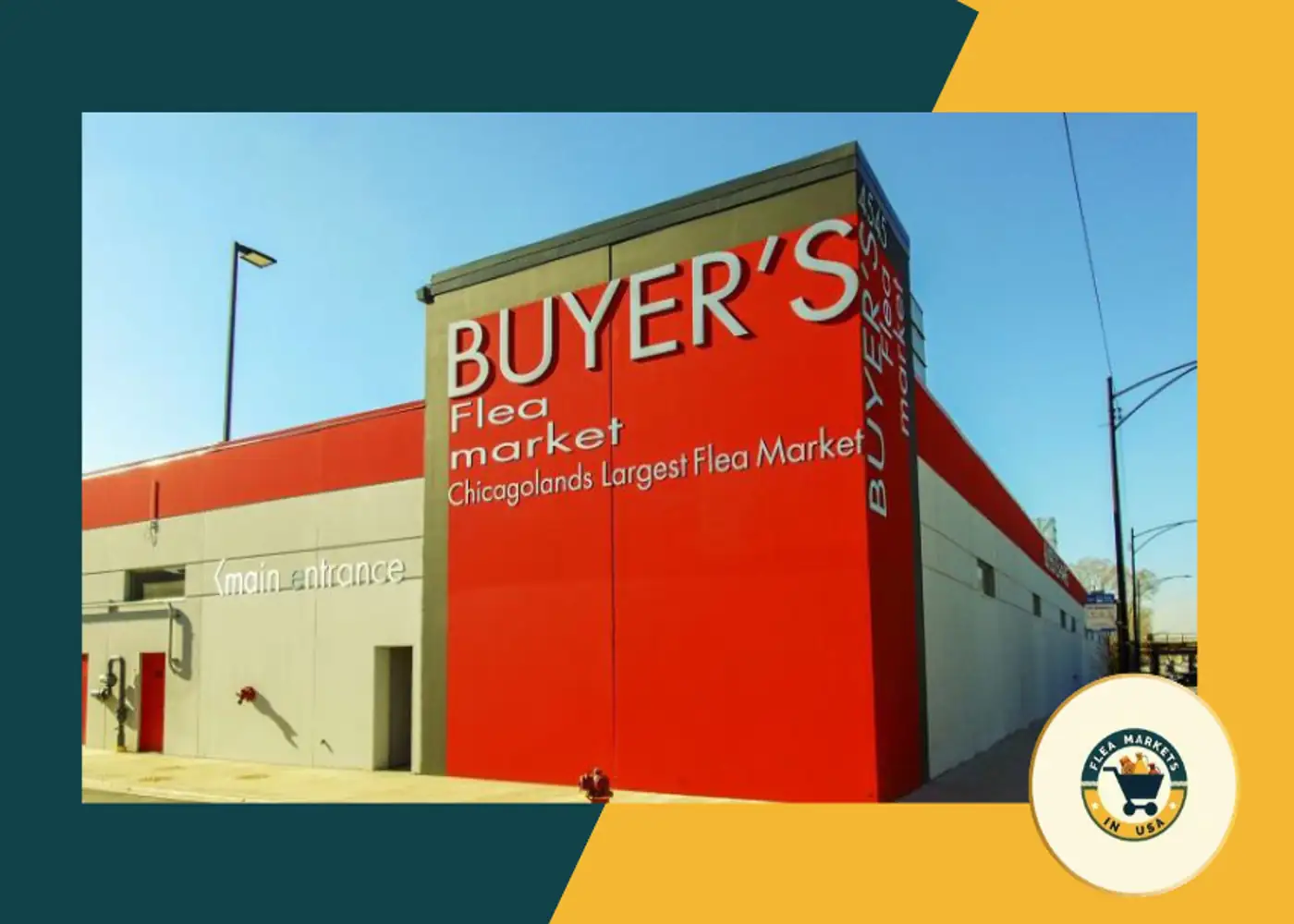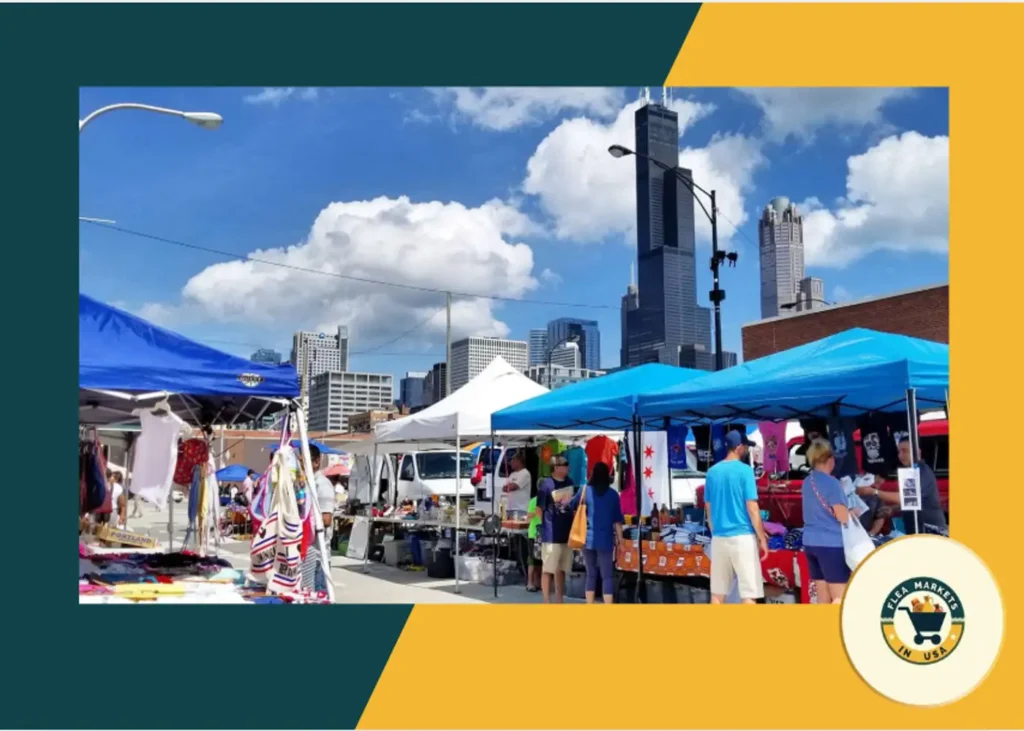
Maxwell Street Flea Market stands as one of Chicago’s most legendary shopping destinations, capturing the authentic spirit of urban commerce and cultural diversity that defines the city. With roots extending back to the 1900s, this open-air marketplace has evolved into an essential Chicago institution where history, culture, and commerce converge every Friday and Sunday. From vintage treasures and rare collectibles to authentic street food that has fed Chicagoans for generations, Maxwell Street Flea Market offers an unparalleled shopping experience distinct from conventional retail. Shop city vibes at Buyers Flea Market and Swap-O-Rama Flea Markets. Whether you’re a seasoned collector hunting specific items, a casual bargain hunter seeking unexpected deals, or a curious visitor wanting to experience authentic Chicago culture, this historic market delivers memorable experiences that keep visitors returning week after week.
Table of Contents
ToggleExploring Maxwell Street Flea Market: Chicago’s Cultural Landmark
The Historic Significance of Maxwell Street
Maxwell Street Flea Market represents far more than a shopping destination—it embodies Chicago’s immigrant heritage, entrepreneurial spirit, and cultural evolution spanning over a century. The market emerged in the 1900s as a gathering place for immigrant communities establishing themselves in Chicago, serving as economic opportunity and cultural anchor simultaneously. Blues music flourished here, with street performers and emerging artists creating the soundtrack to Chicago’s legendary music scene. The market’s evolution reflects Chicago’s transformation from industrial manufacturing hub to modern metropolitan center, yet it maintains the grassroots character and authentic community spirit that originally defined it.
Whether you’re a collector or just exploring, these Illinois flea markets won’t disappoint.
What Sets Maxwell Street Apart
Maxwell Street distinguishes itself through its open-air format, historic significance, and commitment to authentic commerce. Unlike enclosed malls or polished retail environments, the outdoor market creates a festival-like atmosphere where unpredictability and discovery drive the experience. Vendor diversity reflects Chicago’s multicultural reality, with longtime family businesses operating alongside emerging entrepreneurs. The market’s cultural significance extends beyond shopping into community gathering, artistic expression, and preservation of Chicago’s diverse heritage.
Essential Information for Your Visit
Location and Contact Details
| Information | Details |
|---|---|
| Address | 800 S Desplaines St, Chicago, IL 60607 |
| Phone | (312) 745-4676 |
| Location | Near UIC and Downtown Chicago |
| Free Admission | No tickets or reservations required |
| Parking | Street parking and paid lots available |
The market’s location at 800 S Desplaines Street places it conveniently near downtown Chicago, the University of Illinois Chicago campus, and multiple major transportation hubs. The address sits within walking distance of numerous restaurants, museums, and cultural institutions, making it part of a larger weekend exploration opportunity.
Market Operating Schedule
| Day | Hours | Status |
|---|---|---|
| Friday | 9 AM – 4 PM | Open |
| Saturday | Closed | — |
| Sunday | 7 AM – 3 PM | Open |
| Monday | Closed | — |
| Tuesday | Closed | — |
| Wednesday | Closed | — |
| Thursday | Closed | — |
Maxwell Street operates on a limited Friday-Sunday schedule, with Sunday mornings offering the most expansive vendor participation and merchandise selection. Early Sunday arrivals capture the optimal shopping window when vendors have fully stocked displays and crowds remain manageable. Friday operations attract dedicated collectors and longtime shoppers with institutional knowledge of the market.
Parking, Transportation, and Accessibility
Parking Options and Costs
| Parking Type | Details | Cost |
|---|---|---|
| Street Parking | Available near market but fills quickly on Sundays | Free but limited |
| Paid Parking Lots | Multiple facilities on Jefferson and Clinton Streets | Varies, typically $5-15 |
| Parking Garages | Several structured garages within short walking distance | Varies by facility |
| Divvy Bike Stations | Nearby stations for bike commuters | Divvy subscription rates |
Street parking near Maxwell Street fills rapidly, particularly during peak Sunday hours. Visitors arriving after 8:30 AM may struggle locating street parking and should plan on using paid lots. Multiple parking facilities cluster along Jefferson and Clinton Streets within convenient walking distance, offering reliable alternatives when street parking proves unavailable. For budget-conscious visitors, arriving very early or using public transportation eliminates parking concerns entirely.
Public Transportation and Accessibility
| Transportation Option | Details | Distance |
|---|---|---|
| Blue Line (CTA) | UIC Halsted station nearby | Few minutes walk |
| Bus Routes | Multiple CTA bus lines stop near market | Adjacent to market |
| Divvy Bikes | Bike-sharing stations located close by | Easy cycling access |
| Ride-Sharing | Uber and Lyft serve the area | On-demand pickup/dropoff |
The market’s proximity to the Blue Line’s UIC Halsted station makes public transit access exceptionally convenient. Multiple CTA bus routes provide additional transit options for visitors arriving from different Chicago neighborhoods. Divvy bike stations near the market offer eco-friendly transportation alternatives for warm weather visits. Ride-sharing services operate reliably in the downtown-adjacent area.
Free Admission Policy
Maxwell Street Flea Market offers completely free admission with no tickets required and no advance reservations necessary. This generous accessibility policy removes financial barriers that might prevent budget-conscious shoppers from experiencing the market. Families with children appreciate the cost-free entry, and visitors can arrive spontaneously without advance planning.
Vendor Categories and Shopping Opportunities
Antique Dealers and Vintage Specialists
Antique vendors showcase timeless pieces carrying Chicago’s history vintage cameras with mechanical precision engineering, rustic wooden furniture displaying craftsmanship from previous eras, decorative items reflecting design movements spanning decades. Long-standing antique dealers often possess encyclopedic knowledge about their merchandise, delighted to share historical context and provenance information. These vendors serve serious collectors hunting specific items and casual browsers seeking unique home décor or nostalgic connections.
Collectible Vendors and Nostalgia Seekers
Collectible specialists attract enthusiasts with displays of coins spanning multiple eras and regions, vinyl record collections across all music genres, comic books representing publishing history, and sports memorabilia connecting fans to legendary athletes and teams. These vendors create gathering spaces for communities of shared interest. Chicago sports memorabilia particularly dominates collectible stalls, reflecting the city’s passionate sports culture. Vintage concert posters, autographed photographs, and rare ephemera appeal to diverse collector interests.
Electronics and Tool Sellers
Electronics and tool vendors provide bargain hunters with affordable, practical finds perfect for DIY projects and household repairs. These sellers attract both experienced handspeople seeking discounted tools and homeowners tackling specific projects. The market’s electronics section offers competitive pricing compared to conventional retail while providing opportunities to inspect merchandise before purchasing. Savvy shoppers discover significant value on quality tools, extension cords, and electronic components.
Clothing and Fashion Stalls
Clothing vendors offer eclectic selections combining trendy contemporary fashion, secondhand bargains, vintage designer pieces, and traditional garments reflecting Chicago’s cultural diversity. Thrift-oriented shoppers find endless possibilities while fashion enthusiasts hunt for specific era pieces or designer labels at fraction-of-retail prices. The clothing section reflects the market’s fundamental character diverse merchandise at accessible prices.
Handmade Crafts and Local Artisans
Local artisans bring one-of-a-kind creations including jewelry, art, and accessories, providing opportunities to support independent makers directly. These vendors often work on-site or maintain minimal production runs, adding exclusivity to purchases. Supporting handmade goods reflects commitment to local entrepreneurship and sustainable shopping practices.
Street Food and Culinary Vendors
Street food vendors represent one of Maxwell Street’s most celebrated attractions, serving authentic tacos, tamales, burgers, and fresh juices that provide true tastes of Chicago’s diverse culinary heritage. These vendors often operate family businesses spanning generations, with recipes passed down through time. The food court atmosphere transforms the market into a culinary destination where shopping and eating integrate seamlessly. Many visitors structure their market visits around specific food vendor preferences.
Nearby Hotel Accommodations
| Hotel Name | Location | Key Features |
|---|---|---|
| Hotel Blake | Downtown Chicago | Boutique comfort, modern rooms, market access |
| The Emily Hotel | West Loop | Stylish stay, spacious rooms, rooftop dining |
| Crowne Plaza Chicago West Loop | West Loop | Central location, comfortable rooms, on-site dining |
| Holiday Inn & Suites Chicago Downtown | Downtown | Family-friendly, free WiFi, fitness facilities |
| Hyatt House Chicago West Loop Fulton Market | West Loop | Extended stay suites, kitchenettes, free breakfast |
These accommodation options range from boutique properties offering distinctive character to larger chains providing reliable amenities. The West Loop hotels position visitors near Maxwell Street while offering exploration of the neighborhood’s restaurants, galleries, and cultural institutions.
Pro Tips for Maximizing Your Market Experience
Timing Your Visit for Optimal Results
Arriving around 9 AM on Friday or 7-8 AM on Sunday provides significant advantages. Early arrivals encounter fresh vendor inventory before popular items are picked over, experience smaller crowds allowing comfortable exploration, and benefit from vendor attention before the day’s rush. Sunday mornings particularly attract serious collectors and vendors bringing their most valuable merchandise. Friday afternoons feature more casual shopping environments with smaller crowds but potentially reduced vendor participation.
Financial Preparation and Payment Strategies
Bring substantial cash because many vendors prefer it or exclusively accept cash payments. While some dealers accept credit cards, cash transactions move faster and some vendors offer better pricing for cash purchases. Arrive with more cash than anticipated spending shoppers frequently discover unexpected bargains prompting additional purchases. ATMs operate on-site, but relying solely on them creates payment method complications if machines malfunction or long lines develop.
Practical Preparation for Market Exploration
Wear comfortable shoes because exploring Maxwell Street requires significant walking across outdoor terrain and between countless vendor booths. Outdoor market surfaces vary, making durable, supportive footwear essential. Carry a reusable shopping bag or rent a cart if anticipating multiple purchases. The open-air format means weather considerations matter—bring sun protection for warm days, layers for cooler weather, and umbrellas for potential rain.
Bargaining and Negotiation Approach
Haggling represents standard market practice and vendors expect negotiation. Polite, respectful bargaining frequently yields price reductions, particularly when purchasing multiple items from single vendors. Approach haggling as collaborative deal-making rather than aggressive negotiation. Vendors appreciate customers who understand flea market culture and engage authentically. Starting negotiations at 15-20% below asking prices represents reasonable opening positions for unpriced merchandise.
Experiencing the Full Market Atmosphere
Beyond shopping, take time enjoying food stalls, watching live street performances, photographing interesting displays, and engaging with vendors about their merchandise and stories. The complete Maxwell Street experience encompasses cultural immersion alongside merchandise acquisition. Performance musicians, artists, and vendors create an atmosphere distinct from commercial retail environments.
Why Maxwell Street Flea Market Matters Beyond Shopping
Historical and Cultural Preservation
Maxwell Street represents living history, preserving immigrant entrepreneurship, blues music heritage, and grassroots commerce traditions spanning over a century. The market maintains cultural authenticity in an era of standardized retail, providing spaces where diverse communities gather and engage in commerce reflecting genuine neighborhood values rather than corporate homogenization.
Supporting Small Business and Local Entrepreneurs
The market provides crucial platforms for independent vendors, longtime family businesses, and emerging entrepreneurs who struggle accessing conventional retail spaces. Vendor diversity reflects Chicago’s multicultural character, with businesses reflecting communities throughout the city. Shopping at Maxwell Street directly supports local entrepreneurship and community economic development.
The Street Food Legacy
Street food vendors operating at Maxwell Street often represent generational family businesses with recipes and techniques passed through decades. These vendors preserve culinary traditions while providing authentic cultural experiences. Supporting street food vendors ensures continuation of Chicago’s diverse food heritage beyond mass-market chain restaurants.
Planning Your Perfect Maxwell Street Visit
Full Experience Duration
Plan to spend at least three to four hours experiencing the complete Maxwell Street market. This duration allows thorough merchandise exploration, food and beverage enjoyment, and cultural atmosphere appreciation. First-time visitors benefit from unhurried exploration discovering personal interests and vendor favorites.
What to Bring and Prepare
Bring comfortable shoes, substantial cash, reusable shopping bags, and openness to unexpected discoveries. Dress appropriately for weather conditions, bring sun protection for warm days, and prepare for outdoor temperature variations. Camera equipment allows documentation of interesting finds and Instagram-worthy moments.
Creating Your Market Itinerary
Arrive early for optimal shopping conditions. Allocate time for vendor conversations and merchandise exploration. Plan specific food vendor visits or allow spontaneous culinary discovery. Budget time for performance appreciation and photography. End your visit as afternoon crowds build, allowing gradual departure rather than rushed exit.
The Sensory Experience of Maxwell Street
The open-air format creates constantly changing visual environments as natural light varies and vendor displays evolve. Colorful stalls and diverse merchandise create vibrant backdrops. The market generates distinctive soundscapes vendor conversations, street performers, and negotiations combine to create authentic market atmosphere. Street food aromas dominate grilled meats, fresh tortillas, and authentic spices create immersive sensory experiences that become inseparable from market memories.
Frequently Asked Questions About Maxwell Street Flea Market
What time should I arrive for the best deals and fresh inventory?
Arriving around 9 AM on Friday or 7-8 AM on Sunday provides optimal selection, smaller crowds, and freshly stocked vendor displays.
Can I bring my pet to Maxwell Street Flea Market?
Yes, pets are welcome provided they remain leashed and well-behaved around crowds and other animals.
Do all vendors accept credit cards or should I bring cash?
Many vendors prefer or exclusively accept cash; bring substantial cash as the most reliable payment method, though some dealers do accept cards.
Is food available at Maxwell Street Flea Market?
Yes, the market features numerous street food vendors serving authentic tacos, tamales, burgers, fresh juices, and Chicago-style dishes.
Can I apply to become a vendor at Maxwell Street?
Yes, prospective vendors must register and follow city guidelines; contact (312) 745-4676 or visit the vendor application page for details.
Is parking available near the market and what are the costs?
Street parking is free but limited and fills quickly; multiple paid parking lots on Jefferson and Clinton Streets offer reliable alternatives for $5-15.
How far is the market from public transportation?
The UIC Halsted Blue Line station sits just minutes away, and multiple CTA bus routes stop adjacent to the market.
What are the best days to visit for maximum vendor participation?
Sunday mornings attract the largest vendor participation and most extensive merchandise selection compared to Friday operations.
Is admission free to Maxwell Street Flea Market?
Yes, admission is completely free with no tickets required or advance reservations necessary.
What makes Maxwell Street Flea Market historically and culturally significant?
Dating to the 1900s, Maxwell Street served as a cultural anchor for immigrant communities, blues music birthplace, and represents over a century of Chicago’s grassroots commerce and entrepreneurial spirit.
Final Thoughts on Your Maxwell Street Visit
Maxwell Street Flea Market offers an experience unavailable through conventional shopping. Whether hunting collectibles, seeking bargains, or experiencing authentic Chicago culture, the market delivers. Free admission, excellent public transportation, and flexible hours ensure accessibility for everyone. Join collectors and bargain hunters participating in century-old commerce traditions at this legendary marketplace.
Ready to explore one of Chicago’s most iconic marketplaces? Visit Maxwell Street Flea Market at 800 S Desplaines Street on Friday (9 AM-4 PM) or Sunday (7 AM-3 PM). Call (312) 745-4676 for information, bring cash and comfortable shoes, and discover why this legendary market remains essential to Chicago’s cultural fabric.