
Leola Flea Market at 48 W Main Street represents more than a retail venue it embodies the region’s agricultural heritage, artisanal traditions, and community values. This intimate marketplace captures authentic Pennsylvania Dutch culture through genuine vendor relationships, handcrafted merchandise, and fresh-from-farm products reflecting seasonal cycles. For visitors seeking escape from commercialized retail environments, Leola offers authentic small-town market experiences connecting contemporary consumers with generations of craftsmanship and local agricultural stewardship.
Lancaster County’s Agricultural Heritage and Market Traditions
The Amish Community’s Marketplace Role
Lancaster County’s Amish population maintains centuries-old traditions of craftsmanship, sustainable agriculture, and community interdependence reflected throughout Leola Flea Market’s vendor composition. Handcrafted quilts represent multiple generations of skill development, with patterns and techniques passed through families maintaining cultural continuity. Amish-made furniture showcases woodworking excellence combining aesthetic beauty with functional durability. These artisanal contributions distinguish Leola from commercialized flea markets emphasizing mass-produced merchandise and generic retail experiences.
Why Farm-Fresh Markets Matter in Contemporary Context
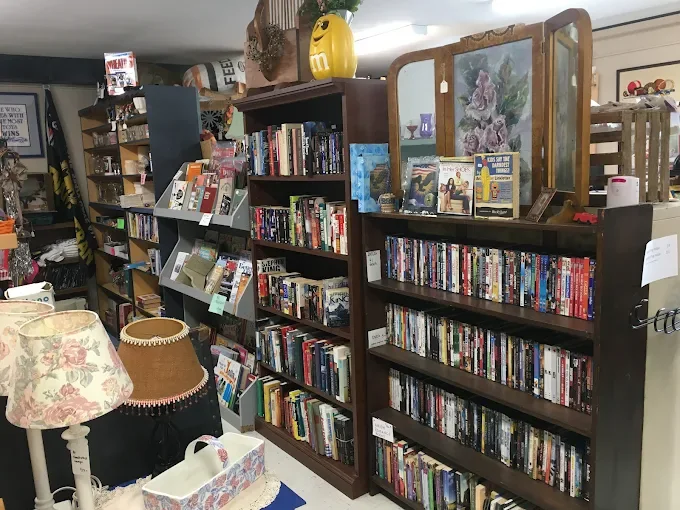
Direct-from-farm produce offerings at Leola connect urban and suburban consumers with agricultural origins of their food. Seasonal availability patterns align shopping behaviors with natural production cycles rather than artificial year-round supply chains. Personal vendor relationships enable informed produce selection farmers explain ripeness indicators, preparation methods, and flavor profiles unattainable through anonymized supermarket channels. This market-farmer connection represents re-establishment of pre-industrial economic relationships increasingly rare in contemporary retail.
Comprehensive Operating Schedule and Access Framework
Weekly Schedule and Visitor Timing
| Day | Operating Hours | Typical Crowd Level | Optimal Arrival Time | Vendor Participation |
|---|---|---|---|---|
| Sunday | 10:00 AM–2:00 PM | Moderate to Heavy | 10:00 AM–11:00 AM | Limited rotation |
| Monday | Closed | N/A | N/A | Staff operations |
| Tuesday | Closed | N/A | N/A | Staff operations |
| Wednesday | Closed | N/A | N/A | Staff operations |
| Thursday | 10:00 AM–4:00 PM | Light to Moderate | 10:00 AM–12:00 PM | Full vendor slate |
| Friday | 10:00 AM–4:00 PM | Moderate | 1:00 PM–3:00 PM | Full vendor slate |
| Saturday | 10:00 AM–4:00 PM | Heavy | 10:00 AM–11:00 AM | Full vendor slate |
Essential Contact Details
- Address: 48 W Main St, Leola, PA 17540
- Phone: (717) 490-2715
- Website: leolafleamarket.com
- Primary Service Area: Lancaster County, Amish Country
Strategic Scheduling Advantages
Leola’s Thursday-Sunday operation accommodates diverse visitor preferences while enabling vendor planning predictability. Thursday morning arrivals provide advantage for serious collectors seeking pristine merchandise before weekend selection attrition. Friday afternoon timing targets mid-week schedules and work-schedule constraints. Saturday morning draws families and weekend leisure shoppers. Sunday’s shorter window (10 AM–2 PM) creates social gathering experience rather than extended shopping marathon, shifting market function toward community connection.
Transportation Infrastructure and Accessibility
Lancaster County’s agricultural character defines transportation patterns. Public transit remains limited, making personal vehicles optimal for market access. Regional highway networks facilitate convenient travel from Philadelphia, Harrisburg, and surrounding metropolitan areas, positioning Leola within day-trip range. The downtown Leola location provides walkability for local residents, creating authentic community hub functionality alongside regional destination appeal. Free parking eliminates cost barriers while ample capacity prevents frustration common at congested urban venues.
Authentic Vendor Ecosystem and Artisanal Focus
Amish Quilters and Textile Heritage
Amish Quilters represent market’s cultural cornerstone, featuring heirloom-quality handcrafted textiles embodying centuries-old techniques. Each quilt represents months of meticulous hand-stitching combining aesthetic design with functional durability. Pattern selections reflect cultural traditions stars, logs cabins, wedding rings carrying significance within Amish communities. Color selections using natural dyes and traditional palettes create authentic appeal transcending contemporary fast-fashion aesthetics. Quilts function simultaneously as functional bedding and collectible art, appreciating in value across generations.
Local Artisans contribute jewelry, pottery, and home décor reflecting contemporary creativity within traditional contexts. Hand-thrown pottery showcases individual artist signatures through subtle variations impossible with mass production. Artisan jewelry demonstrates metalworking skill and material knowledge. Home décor items balance utility with aesthetic appeal, creating functional art rather than purely decorative objects.
Fresh Produce Farmers connect seasonal availability with local agricultural cycles. Peak-season offerings change throughout the year—strawberries summer, apples fall, root vegetables late autumn. Farmers provide expertise regarding optimal ripeness, storage methods, and preparation techniques. Personal relationships enable recipe sharing and cooking advice extending beyond simple transactions. Direct farmer-consumer relationships eliminate supermarket intermediaries while ensuring producer compensation reflects actual value rather than corporate markups.
Apple Hill Orchard Stand specializes in seasonal fruit offerings and value-added products representing direct agricultural production. Fresh-pressed cider represents agricultural tradition and artisanal food production. Apple varieties reflect regional cultivation heritage varieties increasingly unavailable through commercial channels. Orchard relationships with local producers ensure authenticity and support regional agricultural economy.
Leola Vintage Collectibles provides antique and vintage merchandise reflecting regional history with emphasis on quality and historical significance.
Old Towne Amish Crafts features furniture and handcrafted gifts representing Amish woodworking emphasizing durability and functional design.
Product Category Comprehensive Matrix
| Category | Availability | Price Range | Seasonal Pattern | Vendor Specialization |
|---|---|---|---|---|
| Handcrafted Quilts | Year-round | $200–$2,000+ | Consistent | Amish Quilters |
| Amish Furniture | Year-round | $300–$3,000+ | Winter emphasis | Old Towne Amish Crafts |
| Fresh Produce | Seasonal | $2–$20 per item | Peak summer/fall | Produce Farmers |
| Fresh Cider | Fall seasonal | $6–$12 per gallon | September–November | Apple Hill Orchard |
| Artisan Jewelry | Year-round | $25–$400 | Consistent | Local Artisans |
| Pottery & Ceramics | Year-round | $15–$300 | Consistent | Local Artisans |
| Vintage Collectibles | Year-round | $5–$500+ | Consistent | Leola Vintage Collectibles |
| Home Décor | Year-round | $10–$400 | Seasonal themes | Multiple vendors |
| Handmade Gifts | Year-round | $10–$150 | Holiday peaks | Local Artisans |
| Value-Added Foods | Seasonal | $5–$20 | Fall/winter | Local producers |
Market Infrastructure and Visitor Services
Parking and Facility Amenities
Leola’s downtown location provides ample free parking reducing arrival anxiety and visitor friction. On-site spaces accommodate typical attendance while nearby lots provide overflow capacity during peak periods. Free parking eliminates cost considerations affecting visitor decision-making, particularly benefiting budget-conscious shoppers and families. The short walking distances to market entrances enhance accessibility for families with children and mobility-challenged visitors.
Entry Policies and Vendor Participation
Completely free admission removes financial barriers enabling trial visits and repeat browsing without purchase pressure. The transparent vendor registration process through leolafleamarket.com encourages emerging entrepreneurs’ participation. Variable fees based on stall size and location accommodate diverse vendor types from part-time sellers to established businesses. Early registration recommendations acknowledge high demand for limited spaces, creating competition benefiting market quality through selective vendor participation.
Community Hub Functions Beyond Retail
Leola functions as primary gathering space for local community interaction, transcending pure commercial function. Regular vendors develop customer relationships evolving into genuine friendships. Multi-generational family visits create traditions passing through time. The market serves social function equalizing access to community connection for isolated individuals and newcomers seeking local integration. This community-first philosophy distinguishes Leola from purely transactional retail venues.
Accommodation Planning and Regional Integration
Nearby Hotel Options and Strategic Locations
| Hotel | Distance | Key Amenities | Best For | Rate Range |
|---|---|---|---|---|
| Country Inn & Suites by Radisson Lancaster | 10 minutes | Family-friendly, pool, breakfast | Families, leisure travel | Mid-range |
| Best Western Leola Hotel | Adjacent | Modern amenities, parking | Business/leisure, convenient | Mid to Upper |
| The Farmhouse Inn & Restaurant | 5 minutes | Farm-to-table dining, boutique | Culinary-focused travelers | Premium |
Multi-Day Amish Country Exploration and Regional Context
Strategic accommodation enables comprehensive regional exploration combining Leola visits with broader Lancaster County experiences. Visitors can structure entire weekends around market shopping while accessing museums, historic sites, and authentic Amish community experiences. Farm-to-table dining experiences at nearby restaurants complement market fresh-produce shopping, creating cohesive culinary tourism experiences. This integration supports sustainable tourism models benefiting entire regional economy through distributed visitor spending and community economic development initiatives.
Experiential Elements and Authentic Atmosphere
Leola engages multiple senses beyond typical retail. Visual appeal emerges from colorful produce displays and textile patterns. Aromas from fresh produce and cider create engagement. Tactile experiences enable informed decision-making. Sound environments feature natural conversation creating organic community atmosphere. Every vendor carries personal narrative—quilt makers explain patterns, farmers describe cultivation methods, artisans discuss inspiration. Stories transform transactions into educational exchanges and genuine connections. Multi-generational visits create lasting traditions transmitting values about community and local support.
Temporal Optimization and Strategic Visit Planning
Day-of-Week Strategic Timing
Thursday openings provide advantage for serious collectors and first-time visitors seeking manageable crowds and vendor attentiveness. The early-week atmosphere allows focused conversations without pressure. Friday afternoons accommodate work-schedule constraints while maintaining good selection availability. Saturday mornings attract family groups and casual shoppers—optimal for social experiences and leisure browsing. Sunday’s limited window creates higher-energy atmosphere with concentrated visitor density.
Seasonal Purchasing Patterns and Market Rhythms
Spring shopping emphasizes fresh produce and garden-related items as agricultural season activates. Summer peaks feature berry season and vacation-driving regional tourism. Fall intensifies as apple harvest peaks and holiday shopping begins early with maximum merchandise selection. Winter brings year-round staple availability alongside gift-shopping focus. Understanding seasonal patterns enables strategic planning around specific merchandise availability and harvest peaks.
Vendor Relationships and Economic Impact
Returning customers develop vendor relationships enabling preferential pricing and inventory access. Genuine interest in vendor stories creates human connections enriching experiences. Purchasing at Leola directly supports regional artisans, farmers, and small business operators. Customer loyalty enables sustainable business models supporting continued rural economic opportunity.
Seasonal Patterns and Holiday Shopping
Spring Through Summer
Spring reopening emphasizes renewed relationships and fresh agricultural begins. Early vegetables establish seasonal routines. Summer vacation patterns drive increased visitation with berry season peak. Extended daylight enables comfortable shopping.
Fall and Winter Seasons
Fall emphasizes apple season and holiday preparation shopping. Winter intensifies gift shopping with handcrafted items gaining prominence. Holiday décor from various vendors creates festive atmospheres. The market maintains consistent availability when commercial retail becomes overwhelming.
Photography, Social Media, and Authentic Documentation
Instagram-Worthy Locations and Ethical Documentation
Hand-painted signage at market entrances creates authentic backdrops. Colorful produce displays at Apple Hill Orchard Stand provide vibrant photography opportunities. Handcrafted quilt patterns create intricate and visually striking compositions. Rustic market building façade contrasts beautifully with lively vendor stall colors. Crowded scenes capture authentic community energy and marketplace vitality.
Respectful Photography and Community Ethics
Requesting vendor permission before prominently featuring merchandise ensures ethical engagement. Avoiding photos of individuals without consent reflects appropriate social media responsibility. Authentic content sharing through relevant hashtags (#LeolaMerchandise #LancasterCounty #AmishCountry) drives visitor traffic supporting local economy. Photography respects vendor privacy while celebrating market authenticity.
Frequently Asked Questions About Leola Flea Market
Q1: What are the specific operating hours at Leola Flea Market?
A: Leola operates Thursday-Friday 10 AM–4 PM, Saturday 10 AM–4 PM, and Sunday 10 AM–2 PM; closed Monday-Wednesday.
Q2: Is admission to Leola Flea Market free for all visitors?
A: Yes, admission is completely free with no entrance fees or admission charges required.
Q3: What parking options are available near Leola Flea Market?
A: Free on-site parking is available directly outside the market building, plus several nearby public lots within short walking distance.
Q4: Do vendors at Leola accept credit cards or primarily cash?
A: While some vendors accept cards, cash remains preferred by most vendors, so bringing cash is recommended for maximum flexibility.
Q5: What types of merchandise are available at Leola Flea Market?
A: Amish handcrafted quilts, local artisan jewelry and pottery, fresh seasonal produce, antiques, vintage collectibles, and Amish furniture are primary offerings.
Q6: Is public transportation available for accessing Leola Flea Market?
A: Public transit is limited in Lancaster County; personal vehicles remain the most practical transportation option to the market.
Q7: When does fresh produce availability peak at Leola Flea Market?
A: Peak produce season runs June through November, with apples and cider particularly abundant September through November.
Q8: Can I register as a vendor to sell at Leola Flea Market?
A: Yes, interested vendors can register through leolafleamarket.com; early registration recommended as spaces fill quickly.
Q9: What are the best times to visit for minimal crowds and optimal shopping?
A: Thursday mornings provide lightest crowds and good selection; Saturday mornings attract heavier traffic but maintain good variety.
Q10: Are restrooms and other facilities available throughout Leola Flea Market?
A: Standard facilities including restrooms are available; specific amenity details should be confirmed with market management directly.
Conclusion: Why Leola Remains Essential Lancaster County Destination
Leola Flea Market represents authentic Pennsylvania marketplace experience grounded in agricultural heritage and artisanal traditions. In an era of homogenized retail and supply-chain anonymization, Leola maintains genuine vendor-customer relationships and transparent product origins. The market serves functions beyond commerce community gathering, cultural preservation, intergenerational connection, and local economic support.
Plan visits strategically late spring through fall when agricultural offerings peak and weather cooperates. Arrive early for selection advantage or afternoon for relaxed browsing without crowds. Build vendor relationships through repeat visits developing mutual appreciation and preferential treatment. Support local economy through conscious consumer choices prioritizing quality, authenticity, and community impact. Leola Flea Market awaits with authentic Lancaster County experiences and treasures reflecting centuries of craftsmanship and agricultural stewardship.