
Williamsburg’s cultural landscape remains defined by its magnetic appeal to artists, designers, and creative entrepreneurs seeking authentic community and affordable workspace. At the center of this ecosystem sits Artists & Fleas Market, a weekend gathering that transcends conventional marketplace definitions to function as creative incubator, community celebration, and commercial platform for emerging makers. Located at 70 N 7th Street in the heart of North Williamsburg, this bi-weekly market represents what happens when artistic vision, entrepreneurial ambition, and neighborhood culture align around shared appreciation for handcrafted goods and authentic design.
Understanding Artists & Fleas Within Brooklyn’s Creative Context
Artists & Fleas Williamsburg operates within a broader ecosystem of Brooklyn markets, creative spaces, and cultural institutions reflecting the borough’s evolution into a global creative capital. Find even more unique shopping spots on our New York flea markets Unlike traditional flea markets emphasizing vintage merchandise and antique dealer networks, Artists & Fleas prioritizes living artists, independent makers, and contemporary designers showcasing original work alongside carefully curated vintage finds. This distinction fundamentally reshapes visitor expectations and marketplace dynamics. If you enjoy the artistic flair of Artists & Fleas Chelsea, you’ll love visiting Artists & Fleas Williamsburg and Nolita Flea Market for even more handmade treasures.
The market emerged from Brooklyn’s mid-2000s creative boom when emerging artists sought affordable exhibition and sales platforms beyond traditional gallery gatekeeping. Rather than competing with established auction houses or established antique dealer networks, Artists & Fleas carved distinct positioning emphasizing creative community, artist-to-consumer relationships, and accessibility. This origin story profoundly shapes marketplace culture visitors encounter genuine makers with investment in their craft rather than professional dealers prioritizing volume transactions.
The Williamsburg location specifically situates the market within the neighborhood’s artistic epicenter, steps from Studio Drift’s massive warehouse, multiple artist collectives, boutique galleries, and the creative infrastructure supporting Brooklyn’s international art reputation. This geographic embeddedness means the market reflects neighborhood energy directly; cultural conversations happening throughout Williamsburg manifest within Artists & Fleas vendor booths and visitor composition.
Weekend Operating Structure and Logistical Details
Access Schedule and Optimal Visiting Windows
| Aspect | Details | Visitor Impact |
|---|---|---|
| Saturday Hours | 11 AM–7 PM | Full-day availability; peak afternoon crowds |
| Sunday Hours | 11 AM–7 PM | Continuation weekend shopping; still busy but slightly less intense |
| Friday Status | Closed | No Friday evening shopping option |
| Monday–Thursday | Closed | Purely weekend market model |
| Operating Pattern | Year-round weekend schedule | Consistent access; no seasonal closures |
The weekend-only structure reflects both practical constraints and intentional brand positioning. Operating exclusively Saturday-Sunday creates urgency and concentrated energy distinguishing the market from retail environments offering constant access. This concentrated schedule aligns with Brooklyn’s broader entertainment calendar, weekend cultural participation patterns drive higher foot traffic and more intentional visitor behavior than dispersed weekday shopping.
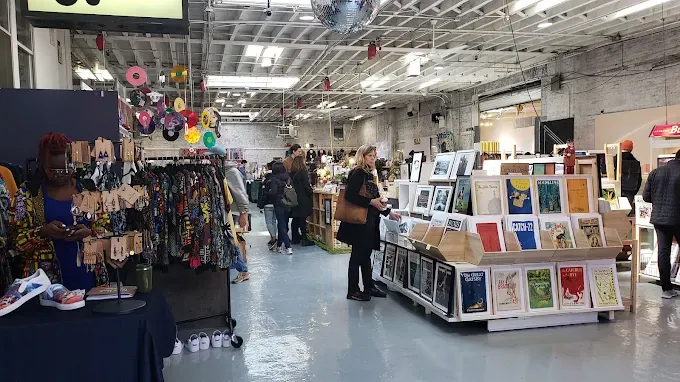
Saturday mornings between 11 AM and 1 PM represent the optimal window for serious collectors and artists seeking maximum inventory selection before peak afternoon crowds arrive. The market’s warehouse setting becomes progressively packed as afternoon advances, particularly during summer months and holiday weekends. Arriving early provides unobstructed vendor access, meaningful conversation opportunities, and optimal photography conditions before crowds create navigational challenges.
Transportation and Arrival Considerations
| Transit Method | Details | Strategic Advantages |
|---|---|---|
| L Train Subway | Bedford Avenue Station, three-block walk | Fastest from Manhattan; most reliable |
| Bus Routes | Multiple Williamsburg routes access venue | Good neighborhood circulation alternative |
| Street Parking | Limited; fills quickly on weekends | Feasible for early Saturday arrivals |
| Ride-Share | Uber/Lyft accessible but congested weekends | Expensive during peak hours; consider alternatives |
| Bicycle | Brooklyn-standard commute option | Parking infrastructure accommodates bikes |
The L train’s Bedford Avenue stop represents the optimal transit choice for visitors from Manhattan, offering direct service without transfers and positioning arrival near the marketplace without requiring post-transit navigation. The three-block walk from the station provides natural introduction to the surrounding Williamsburg creative ecosystem, visitors pass galleries, studios, and cafes setting cultural context for market experience.
Street parking exists but fills rapidly, particularly Saturday afternoons. Weekend parking prices inflate significantly; most visitors find public transit more economical and less stress-inducing than hunting parking or paying premium rates. For visitors traveling with significant purchases, ride-share represents a practical final-leg option despite weekend surge pricing.
Admission and Entry Logistics
| Category | Information |
|---|---|
| General Admission | Completely free; no tickets required |
| Payment Inside Market | Cash strongly preferred; most vendors accept cards with varying comfort levels |
| Bag/Storage | Reusable bags essential; no official coat check; bring minimal belongings |
| Peak Crowd Times | Saturday 2-5 PM; Sunday 1-4 PM; arrive outside these windows for comfort |
Free admission removes financial barriers to marketplace exploration, enabling curious browsers and serious collectors to visit without purchase obligation or admissions regret. This accessibility democratizes market access, fostering diverse visitor composition ranging from artists seeking inspiration to tourists experiencing Brooklyn culture to design professionals researching emerging makers.
The Vendor Ecosystem: Artists, Makers, and Curators
Anchor Vendors and Their Creative Contributions
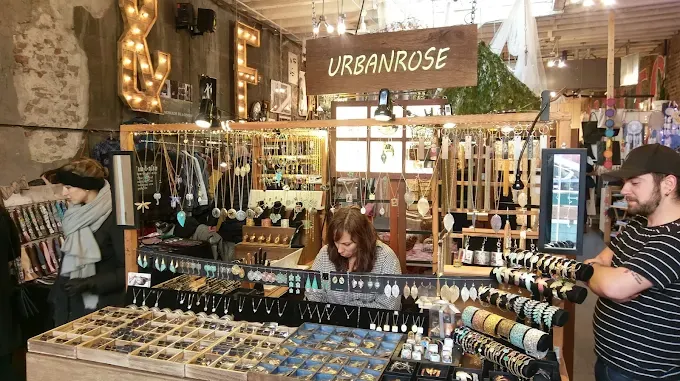
Mociun represents the market’s jewelry specialization at the highest level, showcasing handcrafted pieces celebrated for delicate metalwork, thoughtful material choices, and design sophistication. The brand’s Williamsburg presence attracts jewelry enthusiasts, collectors, and design professionals seeking investment-grade wearable art. Mociun’s booth typically features extensive inventory allowing customers to examine subtle variations in casting, finishing, and stone setting quality. The vendor’s passion for craft often extends to detailed conversations about design philosophy, material sourcing, and creative process, interactions that transform jewelry browsing into educational exchange.
Ellen Van Dusen approaches vintage apparel curation with curatorial sophistication, selecting pieces representing specific design periods, quality standards, and stylistic coherence. Rather than presenting indiscriminate vintage inventory, the booth showcases carefully edited collections emphasizing wearability, condition, and contemporary relevance. Fashion historians, costume designers, and style-conscious vintage enthusiasts frequent this vendor, valuing the curation reducing hours of sorting required elsewhere.
HIT + RUN distinguishes itself through bold vintage statement pieces, oversized blazers, graphic-heavy sweaters, statement dresses, appealing to fashion risk-takers and creative professionals building distinctive personal style. The booth’s visual presentation emphasizes dramatic styling, creating aspirational displays demonstrating how pieces function within contemporary wardrobing. This vendor particularly attracts younger shoppers, fashion students, and street-style photographers seeking authentic vintage with contemporary sensibility.
Shoppe Amber Interiors caters to design professionals and home aesthetics enthusiasts through artistically crafted home goods reflecting contemporary design sensibilities with artisanal production values. The booth showcases ceramics, textiles, sculptural objects, and functional home pieces representing emerging ceramicists, textile artists, and designers. The selection appeals particularly to interior designers sourcing unique accent pieces and homeowners pursuing distinctive décor transcending mass-market furniture retail.
Takustic occupies unique marketplace positioning through specialized audio equipment curation, attracting audiophiles, music professionals, and vintage electronics enthusiasts. The vendor’s technical expertise and inventory depth create a specialist resource within broader marketplace context, drawing repeat customers confident in quality and authenticity assessments.
Emerging and Rotating Vendor Categories
Beyond anchor vendors, Artists & Fleas features constantly rotating makers representing jewelry design, printmaking, illustration, leatherworking, textile arts, photography, ceramics, sculptural work, and contemporary craft. This diversity ensures novelty across visits and prevents marketplace staleness inherent to static vendor rosters. Emerging designers frequently use Artists & Fleas as launching platform for nascent brands, creating opportunities to discover future established makers during their earliest commercial phases.
Hotel and Lodging: Extended Williamsburg Experiences
| Property | Character | Location Advantage | Best For |
|---|---|---|---|
| The Wythe Hotel | Industrial-chic; rooftop bar with Manhattan views | Adjacent neighborhood; cultural institution status | Design-conscious travelers; art world professionals |
| Hotel Indigo Williamsburg | Contemporary comfort; business-focused amenities | Walking distance to market and entertainment | Comfort-prioritizing travelers; business visitors |
| The Hoxton Williamsburg | Boutique aesthetic; river views; restaurant focus | Premium neighborhood positioning | Luxury experience seekers; romantic getaways |
Williamsburg’s lodging expansion reflects the neighborhood’s elevation to destination status for design tourists, creative professionals, and cultural enthusiasts. These properties position visitors within the neighborhood ecosystem, enabling combination marketplace visits with broader cultural exploration—gallery walks, studio visits, rooftop dining, and emerging restaurant scenes.
Strategic Approaches to Maximizing Market Experience
Preparation and Arrival Timing Strategy
Successful Artists & Fleas experiences require intentional planning acknowledging the market’s concentrated weekend schedule and reputation for peak-hour congestion. Arriving by 11:15 AM on Saturday provides approximately 45 minutes of comfortable browsing before crowds typically intensify. This early window offers unobstructed vendor access, ability to examine pieces carefully without navigating around other browsers, and optimal conditions for meaningful vendor conversations.
Arriving with specific collecting intentions, seeking particular jewelry makers, vintage fashion from specific eras, ceramics from identified artists, improves likelihood of finding targeted items amid rotating vendor variability. While spontaneous discovery represents a significant market appeal, serious collectors benefit from researching vendor schedules on social media or official channels before visiting, enabling vendor-specific booth location strategies.
Navigating Vendor Booths and Creating Meaningful Connections
The market’s booth density and vendor diversity create potential for overwhelming sensory experiences without thoughtful navigation approaches. Successful visitors identify primary collecting interests beforehand, jewelry, vintage fashion, home goods, art, accessories, then systematically explore relevant sections rather than attempting comprehensive coverage across all categories simultaneously.
Meaningful vendor interactions distinguish Artists & Fleas from transactional retail environments. Taking time for genuine conversations about design philosophy, material choices, and creative process enriches shopping experiences beyond acquisition focus. Many vendors appreciate customers demonstrating authentic interest in their craft rather than exclusively price-driven negotiation. These conversations often reveal upcoming designs, special commissions, or inventory shared with established repeat customers.
Photography Strategy and Social Content Integration
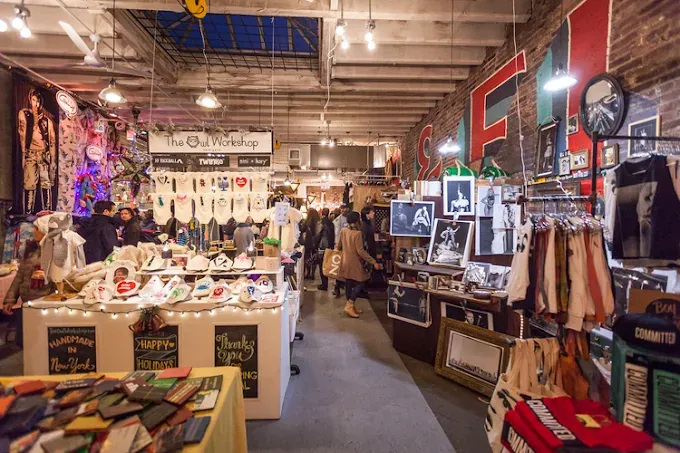
The market’s visual richness, colorful merchandise displays, dramatic vendor aesthetic choices, eclectic crowds, warehouse architectural features, creates exceptional photography opportunities. The large interior mural frequently referenced in visitor accounts provides recognizable landmark for content creation. Vendor booth styling offers endless photographic subjects; Mociun’s minimalist jewelry display contrasts beautifully against industrial warehouse settings, while HIT + RUN’s bold vintage styling creates inherently dramatic visual narratives.
Responsible photography involves vendor awareness and consent, many makers are pleased documenting their booths and products for social sharing, while others prefer privacy. Establishing explicit permission prevents awkwardness and fosters positive vendor-photographer relationships. Many vendors actively encourage content creation, leveraging social media documentation as free marketing within their target audience demographics.
Cash Management and Payment Preparation
While card acceptance has expanded, cash remains strategically advantageous. Approximately 30% of vendors, particularly emerging makers with minimal payment infrastructure, operate exclusively cash. Even card-accepting vendors sometimes accommodate modest discounts for cash transactions, reflecting payment processing cost considerations. Arriving with $200-400 in cash provides flexibility across multiple purchases without requiring ATM searches consuming valuable browsing time.
The market’s outdoor/semi-covered setting creates occasional weather vulnerabilities; protecting cash and cards from moisture with waterproof sleeves or dedicated pouches prevents transaction disruption. Planning payment strategy prevents mid-purchase scrambling and enables confident acquisition decisions.
Seasonal and Holiday Visiting Patterns
Artists & Fleas operates consistently year-round; however, seasonal factors influence experience quality. Summer months bring maximum crowds, heat, and congestion creating challenging conditions for extended browsing. Fall and spring weekends offer moderate crowds and ideal temperature conditions. Winter months feature smaller crowds enabling intimate vendor interactions and comfortable browsing despite reduced foot traffic and vendor participation.
Holiday seasons (Thanksgiving week through New Year’s) attract gift-shopping crowds and expanded vendor participation, creating unique seasonal inventory. However, peak holiday weekends reach maximum congestion; visiting mid-week holiday periods (December 26-30) provides holiday inventory variety with reduced crowd intensity.
Williamsburg’s Artistic Identity and Market Cultural Positioning
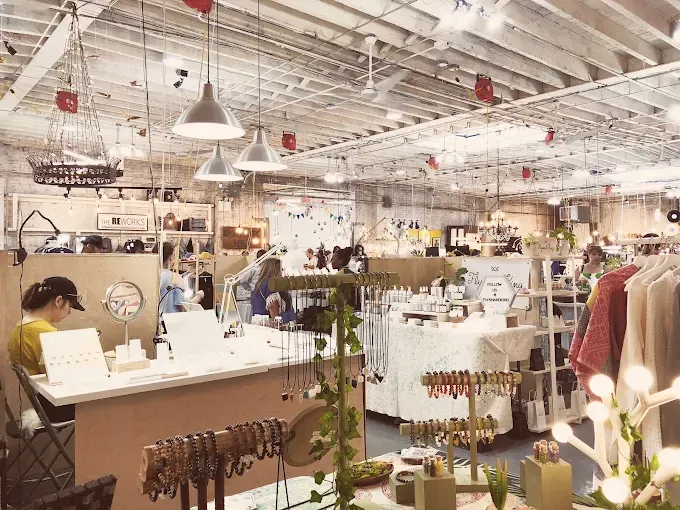
Artists & Fleas Williamsburg functions as microcosm of the broader neighborhood’s creative evolution and cultural significance. The market represents physical manifestation of Williamsburg’s positioning as global creative capital a place where emerging artists find commercial platforms, where design professionals discover inspiration, and where visitors access authentic creative community rather than commodified neighborhood aesthetics.
The neighborhood’s transformation from industrial waterfront to international artistic destination created infrastructure supporting Artists & Fleas positioning. The surrounding ecosystem of artist studios, independent galleries, creative businesses, and cultural institutions provides context elevating marketplace shopping to cultural participation. Visitors combining market exploration with broader neighborhood engagement, studio visits, gallery walks, specialty cafes, rooftop venues, experience Williamsburg’s creative proposition comprehensively rather than superficially.
The market’s relationship with Williamsburg’s ongoing gentrification and housing crises creates complex cultural context. For many vendors and visitors, Artists & Fleas represents space where authentic creative community persists despite escalating rents and demographic shifts. This tension between cultural preservation and commercial pressures infuses the market with stakes beyond consumption, creating gathering space where creative community actively negotiates neighborhood belonging.
Visual Storytelling and Content Creation Ecosystem
The market functions as exceptional content creation environment for photographers, videographers, and social media creators. The industrial warehouse aesthetic, curated vendor displays, diverse crowd demographics, and inherent visual richness create compelling visual narratives beyond generic marketplace documentation.
Professional and amateur photographers discover endless composition opportunities, jewelry vendor booths offering macro photography subjects, vintage fashion displays providing narrative content, crowd scenes capturing authentic marketplace energy. The mural artwork frequently referenced provides iconic background transcending individual booth documentation.
Emerging social media creators have built substantial followings documenting Artists & Fleas experiences, vendor interviews, product showcases, styling content leveraging vintage pieces, and market energy documentation. The authentic creative community and artist vendor prevalence distinguishes such content from generic retail tourism, attracting engaged audiences valuing genuineness over influencer promotion.
Responsible content creation involves vendor collaboration rather than extraction. Creators who develop relationships with vendors, seek permission before featuring booths, and credit makers in content captions build positive reputation supporting ongoing access and vendor enthusiasm. Many vendors actively welcome content creation, viewing social sharing as legitimate marketing within target demographic reach.
Experiencing Artists & Fleas Through Different Visitor Perspectives
Design Professionals visit systematically identifying emerging designers, researching material innovations, and sourcing unique pieces for projects. These visitors often develop vendor relationships, receiving notifications about relevant acquisitions and commissioning custom pieces. Their participation elevates marketplace discourse through informed appreciation of craft and design intentionality.
Fashion Enthusiasts and Stylists explore vintage sections hunting statement pieces, researching era-specific silhouettes, and building distinctive personal style. The curated nature of vendors like Ellen Van Dusen and HIT + RUN appeal particularly to fashion professionals seeking quality vintage transcending typical thrift store experiences.
Art and Design Students use the market as educational resource, studying emerging artist approaches, researching material techniques, and exploring pricing benchmarks for future creative practice. The direct artist-to-consumer model demonstrates viable commercial pathways for creative work.
Casual Brooklyn Culture Tourists visit seeking authentic neighborhood experience, appreciating creative energy and community atmosphere rather than acquisition focus. These visitors contribute to marketplace vibrancy while remaining secondary to core artist-collector constituency.
Collectors and Investment-Focused Buyers approach acquisitions strategically, purchasing emerging designers’ early work, investing in established makers’ pieces, and understanding maker reputation trajectories. These collectors build relationships enabling early inventory access and potentially advantageous pricing for larger acquisitions.
Frequently Asked Questions
Is admission completely free with no hidden charges or fees?
Entry is entirely free; no admission fees, tickets, or membership requirements exist for any visitors.
How can emerging artists and makers apply for vendor booth space?
Prospective vendors apply through the official Artists & Fleas vendor application portal; competitive selection prioritizes original artwork and handmade goods over resale merchandise.
Are families with children welcomed, and does the market accommodate young visitors?
Absolutely; the family-friendly atmosphere welcomes all ages, though busy weekend periods create navigational challenges for strollers.
Can I bring pets to explore the market with me?
Pets are generally permitted; verify current pet policies on the official website as guidelines may evolve seasonally.
What payment methods should I prioritize, and is cash essential for transactions?
While card acceptance is widespread, approximately 30% of vendors operate exclusively cash; bring substantial cash for maximum transaction flexibility.
What are the realistic time expectations for thoroughly browsing the market?
Budget 3-5 hours for comprehensive exploration; focused shopping targeting specific vendors requires 1-2 hours; casual browsing accommodates flexible timeframes.
Are there specific vendor booth locations, or does the vendor roster rotate seasonally?
Vendor positions rotate; some established makers maintain consistent booth areas while emerging vendors receive varying placements; arriving early provides advantage locating favorite vendors.
What is the optimal strategy for purchasing items and transporting purchases home?
Bring reusable bags or small luggage; the market lacks official storage, requiring careful purchase planning for heavy or fragile items.
Can I arrange commissioned work or special orders directly with vendors?
Many makers accommodate commissions; inquire directly with specific vendors about custom work capabilities and typical timelines.
Are photography and video documentation permitted for personal and social media use?
General photography is permitted; seek explicit vendor permission before photographing booths or featuring makers in social content, and credit makers appropriately.
Why Creative Communities Sustain Commitment to Artists & Fleas
The market’s longevity within Brooklyn’s rapidly transforming landscape reflects fundamental meeting of stakeholder needs, artists securing commercial platforms, collectors accessing emerging work, and creative communities maintaining gathering spaces. Unlike transactional retail environments, Artists & Fleas functions as cultural institution within Williamsburg’s broader creative infrastructure.
Established vendors maintain consistent presence despite alternative commercial opportunities, valuing community connections and customer relationships transcending profit maximization. Repeat visitors develop genuine investment in specific makers’ trajectory, purchasing multiple pieces across years and experiencing artistic evolution firsthand. These relationships create accountability and authenticity distinguishing the market from speculative commercial ventures.
The market’s resistance to over-professionalization and corporate sponsorship preservation maintains cultural integrity. While facing inevitable tensions between growth pressures and community values, Artists & Fleas has generally maintained positioning prioritizing creative authenticity over maximized commercialization. This commitment attracts vendors and visitors seeking genuine alternatives to corporate retail models and standardized marketplace experiences.
Planning Your Artists & Fleas Exploration
Whether you’re a design professional sourcing emerging makers, a vintage fashion enthusiast discovering curated selections, a jewelry collector investing in handcrafted pieces, or someone seeking authentic Brooklyn cultural participation, Artists & Fleas Williamsburg delivers meaningful experiences across visitor sophistication levels. The combination of weekend-only operating structure, artist-focused vendor selection, free admission, accessible transit, and surrounding cultural infrastructure positions the market as Brooklyn’s preeminent destination for contemporary craft and emerging design exploration.
Mark your calendar for Saturday morning arrival by 11 AM for optimal conditions. Bring comfortable shoes, adequate cash, and genuine interest in discovering emerging makers. Arrive without rigid shopping lists, allowing serendipitous vendor encounters and spontaneous acquisition decisions. Engage vendors in meaningful conversations about their creative processes and material choices. Explore the surrounding Williamsburg neighborhood, combining market experience with broader cultural participation in Brooklyn’s creative ecosystem. The market awaits with authentic craftsmanship, emerging artist communities, and the undeniable energy of creative Brooklyn culture expressed through weekend marketplace gatherings.